What Is a Japanese Mattress Called? A Complete Guide
Your Japanese mattress is called a futon (pronounced foo-tawn). It’s a simple, thin sleeping pad you lay directly on the floor or on a tatami mat. We found that the traditional style is made of cotton and folds up completely during the day.
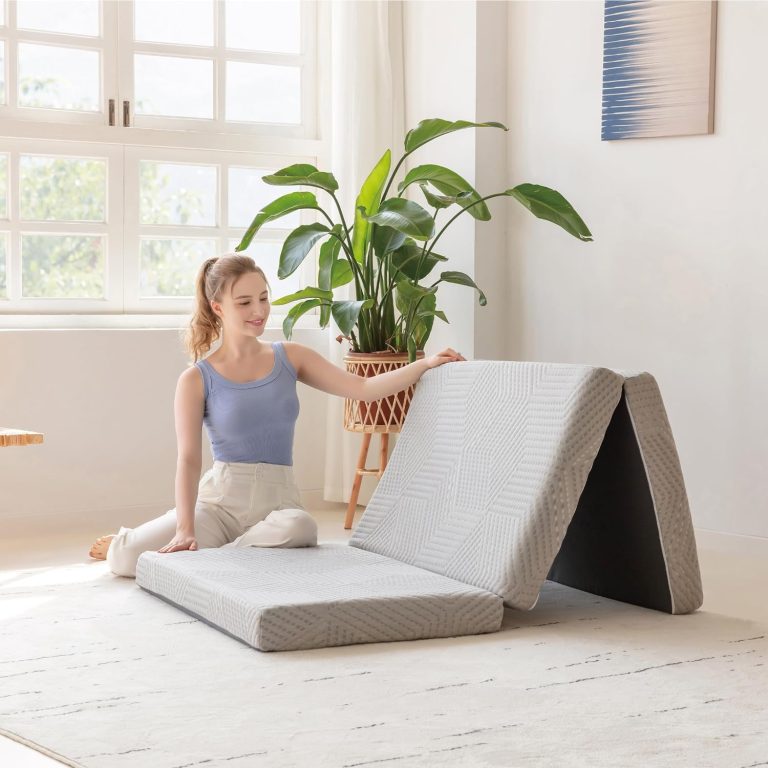
These beds are a smart choice for small spaces and minimalist living. The shikifuton is the mattress itself, and a kakefuton is the thick quilt used on top. You can roll them up to save room, and the design helps keep your back flat and supported. If you value easy storage, our guide to portable mattress options covers similar foldable designs.
- Futon means “bedding” in Japanese—not a frame.
- Shikifuton = the mattress pad. Kakefuton = the cozy cover.
- They rest on the floor, often over a breathable tatami mat.
- Traditional versions are filled with pure cotton and are very firm.
- Air them out daily to keep mold and moisture away.
Below, we break down the different types, what they feel like, and exactly how to buy your first one without getting confused.
Understanding the Japanese Mattress Called Futon
You might have seen these thin, foldable beds online and wondered what they are. Let’s clear that up right away: the Japanese mattress is called a futon. Research shows that the word translates to “bedding” and covers the entire sleep setup, not just one piece.
In Japan, this system usually includes the shikifuton, which is the actual mattress pad, and a lighter comforter called a kakefuton. You place them on the floor. That is the whole idea.
The Different Types of Japanese Floor Mattresses
We found that the word “futon” gets used loosely in the West. In the US, people often picture a wooden sofa frame. In Japan, it means sleeping directly on the floor. There are a few names you should know before you shop.
Shikifuton: The Mattress Pad Itself
This is the layer that actually supports your body. The shikifuton is the flat, padded mattress you lie on. It is usually three to four inches thick, though some are thinner.
Traditional options are stuffed with pure cotton batting. These are heavy and very firm. They mold to your body heat over time. Many experts say that cotton is best for breathability and keeping you cool at night (Mayo Clinic sleep guidelines support breathable bedding for temperature control).
Kakefuton: The Cozy Top Quilt
Think of this as your blanket and comforter combined. The kakefuton is a thick, padded quilt that goes over you. It is not a duvet with a removable cover. It is usually one solid piece filled with cotton or wool.
This layer acts as your temperature regulator. When you sleep on a floor mattress, you need this quilt to keep your body heat trapped. We found that pairing a shikifuton with a kakefuton gives you that classic Japanese sleep experience.
Tatami Mat: The Base Layer
You do not put your futon on a bare wood floor. You place it on a tatami mat. Tatami is a woven straw mat made from rice straw. It is firm yet slightly springy.
This mat does two jobs. First, it protects your mattress from dust and moisture. Second, it adds a layer of cushioning and airflow. Sleeping on just a futon without a tatami base can trap moisture and lead to mold.
What It Feels Like to Sleep on a Japanese Mattress
Let’s be direct here: a Japanese futon is not plush. It is firm. Most Americans who try one for the first time are surprised by how hard it feels. You are essentially sleeping on a padded floor.
We found that this firmness has real benefits. Your spine stays in a neutral position. There is no sagging, which you often get with deep pocket coils or memory foam. Many sleep researchers point out that firm surfaces can help reduce lower back pain, though individual preferences always matter (NCBI research on sleep surface firmness).
Sleeping Temperature and Airflow
Cotton is a natural fiber. It breathes. When you sleep on a floor mattress, heat escapes easily because you are not sinking into foam. That means you stay cooler in the summer.
The flip side is that you will feel cold in the winter. Your body heat escapes into the floor. That is why the kakefuton quilt is so essential. It traps your warmth right against you.
Firmness Levels Compared to Western Beds
Let’s do a quick comparison. On a scale of 1 to 10, with 10 being a concrete floor:
- Soft plush Western mattress: Firmness rating 3.
- Medium-firm innerspring: Firmness rating 6.
- Wool or cotton shikifuton: Firmness rating 8.
- Polyester or foam futon: Firmness rating 7.
If you usually sleep on a soft pillow-top, a futon needs a break-in period. Your hips and shoulders will feel the pressure. Expect to spend about a week adjusting.
Traditional Filling vs. Modern Materials
You have choices when buying a Japanese mattress. The filling changes the feel, the weight, and the price. Here is what we found in our research.
Pure Cotton Fill
This is the traditional way. Cotton futons are dense and heavy. A single cotton shikifuton can weigh 15 to 20 pounds. You will definitely get a workout when you fold it up.
The plus side? Cotton is breathable and biodegradable. It also lasts a long time if you care for it. The downside is that it can get lumpy after years of use.
Wool and Natural Blends
Wool is a common upgrade. It adds a bit more spring and bounce compared to cotton. Wool also wicks moisture away from your skin, which is useful for hot sleepers.
Buckwheat hulls are another option, though rarer. They provide a firm, contouring support that some people describe as sleeping on sand. It is an acquired taste, but we found that fans of the style swear by its spinal alignment.
Synthetic Foam and Polyester
Modern versions use high-density foam wrapped in polyester. These are cheaper and lighter. They are easier to fold than heavy cotton layers.
However, foam traps heat. It does not breathe as well as natural fibers. If you sweat at night, you might prefer cotton or wool. Check the product label before you buy.
Airflow, Mold, and Daily Care
Floor sleep has one major enemy: moisture. Your body releases about a cup of sweat every night. That moisture sinks into your mattress. On a bed frame, air circulates underneath. On the floor, there is nowhere for that moisture to go.
This is why the daily routine matters more than anything else. You cannot simply leave your futon on the floor all day. It will develop mildew quickly.
The Daily Sun Routine
In Japan, people hang their futons over a balcony or railing every morning. They let the sun dry out the moisture and kill dust mites. You should do the same.
Even if you live in an apartment without a balcony, lay the futon over the edge of your bathtub or a drying rack. Aim for at least one hour of airing per day. This is not optional. It is part of owning a floor mattress.
| Maintenance Task | Frequency |
|---|---|
| Air out in sunlight | Daily, 1 to 2 hours |
| Vacuum the surface | Weekly |
| Flip and rotate the pad | Every 2 weeks |
| Deep clean with mild detergent | Seasonal |
How to Shop for Your First Japanese Futon
Ready to buy one? Great. We found that the buying process trips up a lot of people because of sizing and terminology. Here is your quick shopping checklist. For a broader overview of choosing any mattress, our general mattress buying guide covers the key factors.
Size Matters: Japanese vs. Western Dimensions
Japanese futons use tatami measurements. A single futon is small by US standards. A typical single is about 39 inches wide by 83 inches long. That is similar to a US twin but noticeably shorter.
If you are over 6 feet tall, look for a “long” or “triple” size. A triple futon runs about 39 inches wide by 102 inches long. Pay close attention to the product dimensions before hitting checkout.
Weight and Portability
Ask yourself this: can you fold and carry a 20-pound slab of cotton every morning? Some people can. Others find it exhausting.
If you have back issues or live up three flights of stairs, look for a lighter synthetic version. It defeats the tradition, but it fits your lifestyle better. That trade-off is worth it.
Start With a Trial Run
Almost every mattress retailer offers a sleep trial. Even online stores offer them. We strongly suggest you buy from a company that lets you test the futon for 30 to 60 days. This gives you time to break it in. If you hate it, you can send it back.
You also need to measure your room. A folded futon is still bulky. Make sure you have closet space or a corner to store it during the day.
Key Checklist Before You Buy a Japanese Mattress
- Measure your bedroom floor space, not just your bed frame.
- Pick natural cotton for breathability or foam for lighter weight.
- Check the exact dimensions and add 6 inches for your height.
- Confirm you have a sunny spot to air the futon daily.
- Buy a tatami mat or breathable base to reduce moisture.
- Choose a seller with a 30-day or longer trial period.
Conclusion
You now know the Japanese mattress is called a futon, and it’s more than just a thin pad. It’s a complete floor-sleeping system built around the shikifuton, kakefuton, and a tatami base. The payoff is a firmer, cooler sleep surface that folds away to free up your space.
We found that the biggest mistake first-time buyers make is skipping the daily airing routine. Don’t let that be you. Start with a cotton or wool futon, measure your space carefully, and commit to giving it sunlight each morning.
Your next step is simple: pick a retailer with a solid trial period and order your first futon today. Give it a full week to break in, and you’ll know quickly if floor sleeping is right for you.
Frequently Asked Questions
Is a Japanese futon the same as a sofa bed?
No, they are totally different. In the US, a futon often means a sofa that converts into a bed. In Japan, a futon is a floor mattress you roll up and store.
Can you put a Japanese futon on a regular bed frame?
Yes, you can, but you lose some benefits. Using a bed frame improves airflow and makes getting up easier. You just need to watch for sliding, since futons don’t grip well on smooth surfaces.
How long does a traditional Japanese futon last?
Quality cotton futons can last 5 to 10 years with proper care. Regular airing and rotating the pad are the keys to extending its life. Foam versions tend to break down faster, usually around 3 to 5 years.
Do you need a tatami mat under a futon?
We recommend using one, but it’s not absolutely required. A tatami mat prevents moisture buildup and lets air flow beneath your mattress. If you skip it, place a breathable bamboo or slatted base under your futon instead.
Are Japanese futons good for people with back pain?
Many people find them helpful because the firm surface keeps your spine aligned. Research suggests medium-firm to firm surfaces help with lower back pain. That said, your comfort is personal, so always test one before committing to a long-term purchase.