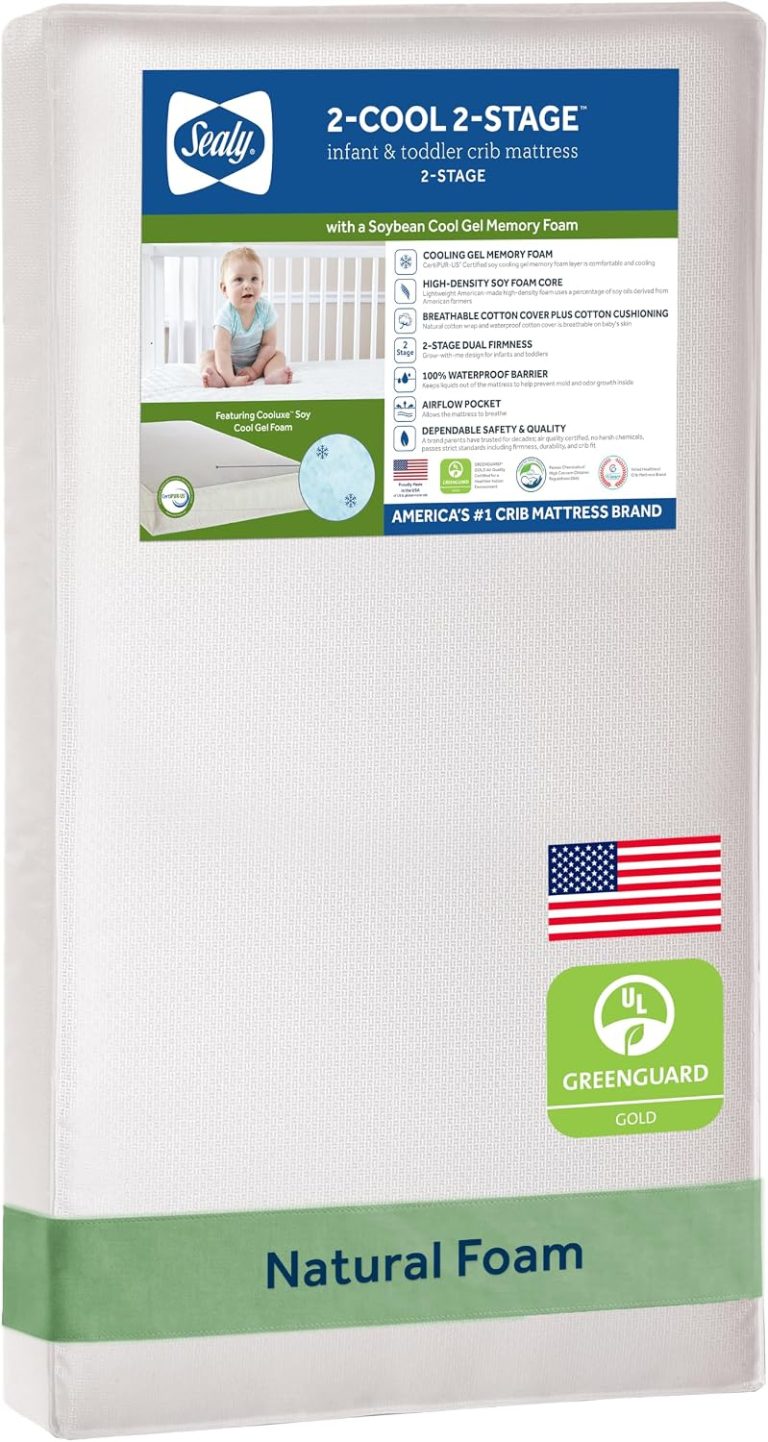
Can Mattresses Cause Severe Back Pain? Key Facts
Yes, a mattress can absolutely cause severe back pain. We found that a worn-out, too-soft, or too-firm mattress can directly trigger and worsen back problems. Your spine needs consistent support while you sleep, and when it doesn’t get it, you’ll likely feel it the next morning.
This isn’t just about a bad night’s sleep. We found that sleeping on the wrong surface for months can lead to chronic stiffness and muscle strain. Your mattress could be the hidden culprit behind your daily aches, even if you didn’t connect the dots before. Many experts say that your sleeping position and mattress firmness work together to either protect or punish your spine.
- The quick answer: Yes, a bad mattress can be a major cause of severe back pain.
- How it happens: A mattress that lacks support makes your spine bend out of its natural alignment.
- The fix: You might need a firmer or softer bed depending on whether you sleep on your side, back, or stomach. Our guide to choosing between an adjustable mattress vs regular explains how elevation can relieve back strain.
- Signs to watch: Pain that’s worst in the morning but eases as you move around is a big red flag.
- Next steps: We’ll walk you through exactly what to look for in a new mattress and how to test if yours is the problem.
Below, we break down exactly how your bed impacts your back, and we’ll give you simple ways to figure out if it’s time for a change. Let’s walk through the signs and solutions together so you can wake up feeling good again.
How Your Mattress Triggers Severe Back Pain
Your spine has a natural S-curve. It needs support in all the right places. When your mattress is too soft, your hips and shoulders sink in. That bends your spine into a “U” shape.
When your mattress is too firm, your heavier body parts press hard against the surface. That forces your spine to stay straight when it should curve naturally. Either way, your muscles work overtime all night.
We found that this constant strain is what leads to that sharp, severe pain in the morning. The Cleveland Clinic points out that proper spinal alignment during sleep is key to preventing muscle and joint pain.
The Pressure Point Problem
Think about pressing your thumb into a balloon. A bad mattress does that to your shoulders and hips. These pressure points cut off blood flow.
When blood flow is limited, your muscles tighten up. They get stiff and sore. That soreness turns into severe back pain by morning.
Why Morning Pain Is a Red Flag
Do you wake up feeling like a truck hit you? But then you stretch and move around, and it gets better? That is a classic sign your mattress is the problem.
Pain that fades as you move means your muscles were fighting your bed all night. The National Institutes of Health (NIH) says this pattern often points to sleep surface issues rather than serious spinal problems.
The Role of Mattress Age and Wear
Every mattress has a lifespan. Most quality mattresses last around seven to ten years. After that, the materials break down.
We found that older mattresses lose their support and cushioning. Even if your mattress looks fine, the inner springs or foam could be sagging inside. That hidden sagging wreaks havoc on your back. If you’re wondering whether flipping your mattress helps, our guide on are mattresses reversible explains the risks and benefits.
Signs Your Mattress Is Too Old
- You can see a visible sag or dip in the middle.
- The fabric feels lumpy or bumpy.
- You sleep better on hotel beds or couches.
- Your allergies or asthma seem worse at night.
- The mattress makes creaking noises when you move.
If you nodded yes to a few of these, it is probably time to start shopping.
The Dust Mite Factor
Old mattresses collect dust mites. These tiny bugs are invisible. They trigger allergies and inflammation.
Inflammation in your body makes back pain worse. So an old mattress hurts you twice: bad support plus allergy symptoms. Many experts say swapping out your mattress can relieve both issues.
Finding the Right Firmness for Your Sleep Position
There is no perfect firmness for everyone. It depends on how you sleep. Your sleeping position dictates where your spine needs the most help.
We found that side sleepers usually need a softer surface. Back and stomach sleepers often do better with firmer support. It is all about keeping your spine neutral.
| Sleep Position | Best Firmness | Why It Works |
|---|---|---|
| Side Sleeper | Medium to Soft | Cushions shoulders and hips; keeps head aligned with spine. |
| Back Sleeper | Medium to Firm | Supports the natural S-curve; prevents the lower back from sinking. |
| Stomach Sleeper | Firm | Stops the hips from sinking and keeps the lower back flat. |
This is a simple guide. Your weight also matters. Heavier bodies need firmer mattresses. Lighter bodies need more cushioning.
Testing a Mattress the Right Way
Lying on a mattress for five minutes in a store is not enough. You need to test it for at least 15 minutes. Try your actual sleeping position.
Close your eyes. Breathe slow. Check if your hips feel level. Check if your neck feels stretched or squished. That little test helps you avoid a costly mistake.
When Your Mattress Is Not the Problem
Sometimes, the bed gets blamed when it is innocent. If your pain lasts all day, not just in the morning, the cause might be something else.
Severe back pain can come from injuries, sciatica, or herniated discs. It can also be a sign of arthritis or kidney issues. We found that you should not ignore persistent pain.
Quick Self-Check Before You Buy a New Bed
- Does the pain ease up when you lie on the floor?
- Do you feel better after a few nights on a different surface?
- Is your pain mostly in the morning and gone by noon?
- Did your pain start around the same time you got a new mattress?
If you answered yes to most of these, your bed is likely the culprit. If not, it might be time to see a doctor. The Mayo Clinic recommends seeing a doctor if back pain lasts more than two weeks.
Simple Fixes Before You Spend Money
Buying a new mattress is expensive. Before you commit to that, try a few budget-friendly tricks. You might extend the life of your current bed.
Check Your Foundation
Your mattress sits on a box spring or slats. If the foundation is broken, your mattress looks like it sags. Check for broken slats or a collapsed box spring. A simple fix here could solve your back pain.
Try a Mattress Topper
A topper adds a layer of foam on top of your mattress. It can soften a bed that is too hard. It can also add a little support to one that is too soft.
We found that a high-quality topper can delay a new purchase for a year or two. It is a cheap fix that can give you relief while you save up.
When It Is Time to Replace Your Mattress
If your mattress is older than seven years, replace it. If you wake up sore every day, replace it. If your current mattress has permanent dips, replace it.
Your back health is worth the investment. You spend a third of your life in bed. That time should heal your body, not break it.
Your New Mattress Shopping Checklist
- Look for a warranty of at least 10 years.
- Check if the store has a sleep trial (usually 90 to 100 nights).
- Read reviews from people with the same sleep position as you.
- Test the mattress for 15 minutes in the showroom.
- Ask about a comfort exchange policy in case you guess wrong.
- Order from a company with easy returns and no hidden fees.
Take your time. A new mattress is a big decision. Rushing into it can leave you with another painful bed.
The Bottom Line on Beds and Back Pain
Your mattress can be the root cause of severe back pain. We found that most people ignore this simple fix. They pop pain pills and stretch for months without realizing their bed is the enemy.
Pay attention to your body. If your back hurts when you wake up and fades during the day, listen to that clue. Your bed is telling you something.
Start with small changes. Test a topper. Check your foundation. If that does not work, invest in a new mattress that fits your sleeping style. Your spine will thank you.
Conclusion
Your mattress can absolutely be the reason you wake up with severe back pain. We walked through how poor support, sagging materials, and even dust mites all work against your spine while you sleep. The pain pattern is clear: if you hurt most in the morning but feel better as you move, your bed is likely the problem.
You do not need to live with this. Start with the cheap fixes first. Check your foundation and try a quality mattress topper. If those do not help, start shopping for a new mattress that matches your sleep position and weight.
Pay attention to what your body is telling you. A good mattress is an investment in your health, not an expense. Take the checklist we gave you and find a bed that supports you properly. Your mornings can feel completely different once you fix the root cause.
Frequently Asked Questions
How long does it take for back pain to go away after getting a new mattress?
Most people notice improvement within the first few nights. Your muscles need time to relax after months of fighting a bad surface. Give your body about two to three weeks to fully adjust to the new support.
Can a mattress that is too firm cause back pain?
Yes, a too-firm mattress can cause just as much pain as a too-soft one. It creates hard pressure points at your shoulders and hips. That pressure restricts blood flow and makes your muscles tense up all night.
Should I buy a new mattress or just a mattress topper?
A topper works well if your mattress is less than seven years old and still has decent support. If your mattress has visible sagging or you have had it for years, a topper will not fix the underlying problem. You are better off replacing the bed.
Is back pain from a bad mattress permanent?
No, it is not permanent. Once you remove the cause, your muscles and joints can recover. The longer you sleep on a bad mattress, the longer recovery takes. Switching to a supportive surface usually brings relief within a few weeks.
Can changing my sleep position help with back pain without buying a new mattress?
Sometimes, yes. Adjusting your position can reduce strain on your spine. Try placing a pillow between your knees if you sleep on your side. Stomach sleepers can put a flat pillow under their hips. These tricks help, but they cannot fix a mattress that is completely worn out.