King Size Mattress Dimensions: What You Need to Know
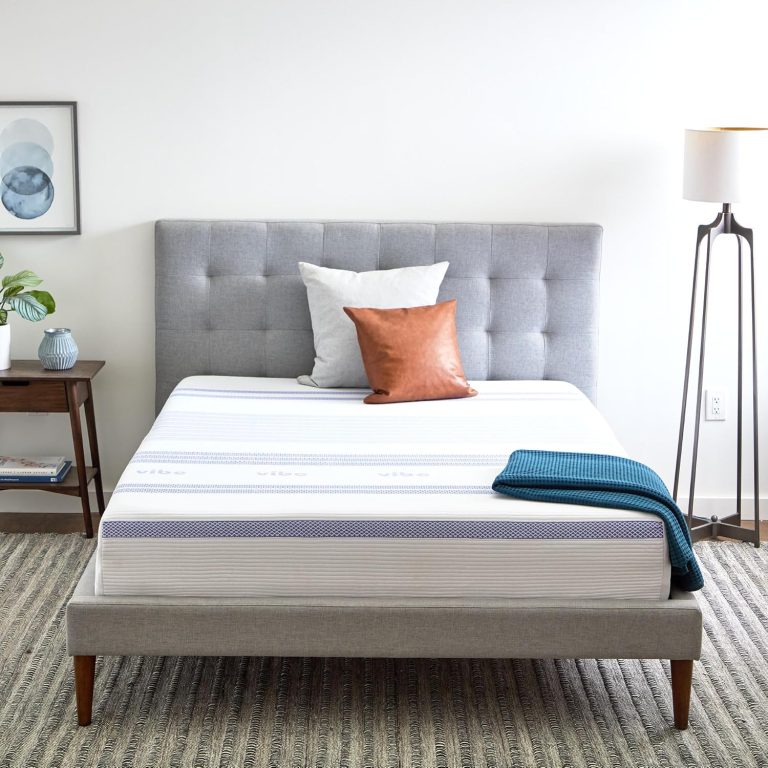
In the United States, a king size mattress is 76 inches wide and 80 inches long, which makes it the second-largest standard size you can buy. As the most popular choice for couples, it gives each person roughly the same personal space as a twin bed. You get plenty of room to stretch out without fighting for the covers.
We found that this size is also known as an Eastern King to tell it apart from the California King. That California King is longer and narrower at 72 by 84 inches. A standard king is 16 inches wider than a queen, but it is the same length. That extra width is the main reason so many people choose it for their master bedroom.
- Dimensions: A king bed is 76” x 80” (same length as a queen, but much wider).
- Best for: Couples who want personal space or families who co-sleep with kids or pets.
- Room size: Your bedroom should be at least 12 feet wide to fit a king comfortably.
- Not the longest: The California King is longer, but the standard King is wider.
- Main cost: You will need to buy bigger sheets, a larger frame, and a new mattress protector, which adds to the total price.
Let’s walk through everything you need to know about this giant bed size, including who it’s actually best for and whether your bedroom is big enough to handle it.
Understanding the Real Size of a King Mattress
We know the numbers by heart — 76 inches wide by 80 inches long. But what does that actually feel like in a real bedroom? Picture this: a king mattress is basically the same size as two twin XL beds pushed side by side. That’s the secret behind its success.
Each sleeper gets their own 38-inch-wide zone, which is exactly the same width as a standard twin bed. You get your own territory. Your partner gets theirs. No more tug-of-war with the blanket at 2 AM.
How a King Compares to Other Bed Sizes
To really see the difference, we lined up all the standard US mattress sizes side by side. The gap between a queen and a king is the biggest jump you’ll find in any standard sizing chart. That extra 16 inches of width is massive when you actually sleep on it.
Here’s a quick breakdown of how king stacks up against the rest:
| Mattress Size | Width | Length | Best For |
|---|---|---|---|
| Twin | 38″ | 75″ | Kids or single sleepers |
| Full | 54″ | 75″ | One adult or a small teen |
| Queen | 60″ | 80″ | Couples on a budget |
| King | 76″ | 80″ | Couples who want space |
| California King | 72″ | 84″ | Tall people and narrow rooms |
Notice that a king and a queen share the same length. The only real difference is width. So if you already fit fine lengthwise on a queen, a king will feel like an upgrade in all the right ways.
Who Should Actually Buy a King Size Mattress
Not everyone needs this size. In fact, we found that a king only makes sense for a few specific situations. If you sleep alone and you’re not a starfish-style sprawler, a queen or even a full could be plenty. But for certain households, a king is practically a necessity.
These are the people who get the most out of it:
- Couples who move a lot in their sleep
- Partners with different body temperatures
- Families with small kids who co-sleep
- Pet owners whose dogs or cats take up a surprising amount of room
- Light sleepers who wake up when their partner rolls over
Couples Who Need Personal Space
Remember when you first shared a bed and thought it was cozy? Fast-forward a few years, and you’re clinging to the edge while your partner hogs the middle. A king solves that entirely. Many sleep experts point out that reducing motion transfer and increasing personal space directly improves sleep quality for couples (Sleep Foundation).
With a solid memory foam or hybrid mattress, you’ll barely feel your partner shift. Everyone wins.
Families and Co-Sleeping Situations
Parents of toddlers and infants often find a king bed to be the perfect family landing zone. There’s room for two adults plus a child without anyone feeling squished. Weekend mornings become movie time. Sick kids get a spot in the big bed without displacing you entirely.
We found that pets also factor heavily into the decision. A 60-pound golden retriever will claim the center of a queen bed, no question. On a king, they can stretch out sideways while you both still have room to sleep.
Will a King Bed Fit in Your Bedroom
Here’s the part nobody mentions at the mattress store. A king bed is big. Really big. You can’t just upgrade from a queen to a king without measuring your room first. The bed itself plus the frame adds a few inches all the way around, so you need extra clearance.
Interior designers generally suggest your bedroom should be at least 12 feet wide to make a king work. If your space is smaller than that, you’ll feel like the bed is swallowing the entire room.
The Minimum Room Size for a King
A 12-by-12-foot room is the absolute minimum for a king bed. Even then, you’ll have limited space for a dresser or a bench at the foot of the bed. A 13-by-13 or 14-by-14 room gives you breathing room to walk around comfortably.
Here’s the rule we use: you need at least 24 inches of walkway on each side of the bed. And you need at least 36 inches at the foot of the bed to get past comfortably. If you don’t have that, the room will feel like a parking garage.
Measuring Your Space Like a Pro
Grab a tape measure and mark out the exact dimensions of a king bed on your floor using painter’s tape. This gives you a real-world sense of how the bed will fit. We found this trick saves people from a very expensive mistake.
Don’t forget the door swing. Make sure your bedroom door can still open fully with the bed in place. And check for closet doors that slide or swing into the walkway.
The Hidden Costs of Going King Size
The sticker price on the mattress is just the beginning. Upgrading to a king triggers a whole cascade of other purchases. We found that many first-time king buyers are shocked by how much the extras add up. Before you commit, think about everything that needs to change.
Your pillowcases, sheets, mattress protector, and comforter all need to be king-sized. That’s not a small line item in your budget. King sheets are often priced noticeably higher than queen ones.
What Else You’ll Need to Upgrade
- Bed frame: Your queen frame won’t work. You need a wider, often sturdier, frame to support the extra width.
- Box spring or foundation: Most king mattresses need a split foundation just to get through doorways and up staircases.
- New dresser setup: A larger bed leaves less wall space for storage furniture.
- Moving costs: A king mattress is tough to move through tight stairwells and narrow hallways.
Make sure you budget for all these extras. The mattress is the headline, but the supporting cast costs real money.
King vs. California King
Many shoppers confuse the standard king with the California King. They sound the same, but they are very different. The Cal King is 72 inches wide and 84 inches long. That’s 4 inches narrower but 4 inches longer than a standard king.
If you’re 6-foot-3 or taller, a California King might be the better choice for your long legs. Standard body lengths fit fine on a regular king at 80 inches, but taller folks might hang their feet over the edge. We found that tall couples often prefer the Cal King for exactly this reason.
Just remember that you lose lateral width with a Cal King. Two average-sized adults will feel more cramped on it. It’s a trade-off between length and width.
Is a King Mattress Worth the Investment
In our opinion, yes — for the right household. The nightly comfort, extra personal space, and better sleep quality justify the price for many couples. But we want you to make an informed choice, not an emotional one.
Start with these steps:
- Measure your bedroom and mark out the king footprint with tape
- Set a budget that includes the frame, sheets, protectors, and delivery
- Test a king mattress in person at a showroom if possible
- Check if your building stairwells or elevators can accommodate the size
- Make sure you and your partner agree on the investment
If you’ve done all that and a king still feels like the right move, go for it. A good king mattress can last you 7 to 10 years with proper care. That’s a solid return on your investment.
King Mattress Weights and Support Needs
Here’s something we don’t think about often — a king mattress is heavy. Mattresses commonly weigh between 70 and 100 pounds, sometimes more. That extra mass changes how you move and clean the bed. Rotating or flipping a king mattress is a two-person job, no matter how strong you are.
You’ll also need a robust frame with center support. Those lightweight metal frames from your college days? They won’t cut it. Many experts say a king bed needs a center support beam to prevent sagging over time. A quality frame distributes the weight evenly across the floor.
Think about your floor type too. If you have carpet, a heavyweight king mattress will leave noticeable divots over the years. A rug under the bed or furniture coasters can help protect your flooring investment.
Conclusion
Choosing a king size mattress means choosing more space, better sleep, and less tossing and turning. At 76 inches wide, it gives every couple the personal room they need without sacrificing closeness.
Before you buy, measure your bedroom and mark out the footprint with tape. Budget for the frame, sheets, and delivery costs that come with a bigger bed. And always test the mattress in person first.
If your room fits the size and your budget covers the extras, a king is one of the smartest purchases you can make for your health and your relationship. Your future self will thank you every single night.
Frequently Asked Questions
What is the difference between a king and a California king mattress?
A standard king is 76 inches wide and 80 inches long. A California king is 72 inches wide and 84 inches long.
You should pick a Cal King if you’re over 6-foot-3 and need extra legroom. Otherwise, the standard king gives you more width for side-by-side sleeping.
Can a king size mattress fit in a 10×10 bedroom?
It will fit, but you’ll have almost no room to walk around. You’ll lose about 24 inches of clearance on each side, which makes making the bed a challenge.
We recommend at least a 12×12 room for a king. If your space is smaller, a queen might actually serve you better.
How much does a good king size mattress cost?
You can find budget options around $500, but quality king mattresses typically range from $1,000 to $2,500. Premium models can easily pass $3,000.
Remember to add the cost of a king frame, sheets, and a mattress protector to your total budget. Those extras usually add another $300 to $600.
Why is it called an Eastern King mattress?
The name Eastern King is used to tell it apart from the Western King, which is another name for the California King. The term comes from the US mattress industry, not from any official standard.
You’ll also see it called a standard king or just a king. They all mean 76 x 80 inches.
Can two people sleep comfortably on a king mattress?
Yes, and that’s exactly what it was designed for. Each person gets a 38-inch-wide sleeping zone, which is the same width as a standard twin bed.
This gives you enough space to stretch out and change positions without waking your partner. If you share a bed and value your sleep, a king is worth the investment.