Standard Mattress Dimensions in Inches: Sizes Guide
Standard mattress dimensions in inches are 38×75 for a Twin, 54×75 for a Full, 60×80 for a Queen, and 76×80 for a King. These are the industry-standard measurements you will find in most US stores. That is the quick answer, so you can start planning your bed frame and bedding today.
While those are the baseline numbers, you also have California King (72×84) and XL versions for taller sleepers. We found that knowing the exact dimensions isn’t just about fitting the frame—it directly affects your comfort and how much space you get. Whether you are upgrading from a dorm room bed or furnishing a master suite, these numbers are your starting point.
- Twin is 38″ x 75″ — best for kids and small rooms.
- Full is 54″ x 75″ — good for a single adult who wants more space.
- Queen is 60″ x 80″ — the US standard for couples.
- King is 76″ x 80″ — maximum width for couples who sprawl.
- California King is 72″ x 84″ — longer, but a bit narrower than a standard King.
Below, we break down every mattress size, the exact inch measurements, and how to make sure your new bed will fit your bedroom perfectly. Let’s grab a tape measure and walk through this together.
Standard Mattress Measurements You Should Know
You already know the headline numbers. But here is the part that trips people up: mattress dimensions in inches are not all created equal. Even two queen mattresses can measure slightly differently. This happens because of the manufacturing process and the foam or spring layers.
We found that measuring your actual mattress is the only way to guarantee a perfect fit. Do not rely solely on the label. A tape measure costs five bucks and saves you a headache at 2 a.m. when your sheet pops off the corner.
Why Standard Sizes Vary Slightly
Most US factories build to the industry standard we listed above. But the tolerance level is usually plus or minus one inch. That means a “Queen” could be 59 inches wide or 61 inches wide.
This matters most when you buy a tight-fitting mattress protector. You want a little wiggle room. If you measure your bed at 60.5 inches, a standard queen protector will still fit. But a deep-pocket sheet might feel too loose.
How to Measure Your Mattress Correctly
Grab a soft tape measure. Place it at the center of the mattress, not the edge. The edges are often rounded, which makes them look shorter or narrower. Measure the width (side to side), the length (head to foot), and the depth (thickness).
Write those numbers down. You will need them for sheets, frames, and toppers. We found that people who skip this step end up buying the wrong size topper more often than you would think.
Mattress Dimensions for Every Bed Size
Let us walk through each size in detail. We start with the smallest and go up. This helps you compare your options without jumping around.
Twin and Twin XL Dimensions
A standard Twin measures 38 inches by 75 inches. That is about the size of a crib mattress stretched out. It works well for kids, guest rooms, and studio apartments where floor space is tight.
The Twin XL is the same width but 5 inches longer. It measures 38 by 80 inches. This size is the standard for college dorm rooms. If you are over 6 feet tall, a Twin XL is your best bet for a single bed. You will not have your feet hanging off the end.
- Twin: 38″ x 75″ — good for children under 12
- Twin XL: 38″ x 80″ — perfect for taller teens and college students
- Both fit in a room that is at least 7 feet by 10 feet
Full Mattress Size (Also Called Double)
The Full mattress is 54 inches wide by 75 inches long. Many people call it a “Double,” but it is not double the width of a Twin. It is only 16 inches wider.
A Full is great for a single adult who wants to spread out a little. You get about 27 inches of personal space per side if you share it. That is tight for two adults. Most couples we found report feeling cramped on a Full.
If you plan to share this bed with a partner or a large dog, consider moving up to a Queen. Your sleep quality will thank you.
Queen Mattress Dimensions: The Sweet Spot
The Queen is the most popular mattress size in the United States. It measures 60 inches wide by 80 inches long. That gives each sleeper about 30 inches of width, which is close to the width of a Twin bed.
We found that a Queen fits well in most master bedrooms. You need a room that is at least 10 feet by 10 feet to walk around comfortably. The length works for most adults, but very tall people (over 6 feet 5 inches) might find their feet hanging off the end.
Queen sheets, comforters, and mattress protectors are the easiest to find. You will have the most options in this size at any store.
Queen vs. Full: What Is the Difference?
The difference is 6 inches in width and 5 inches in length. That might not sound like a lot, but it changes the feel of the bed completely. A Queen feels much more spacious for two people. It is worth the extra cost if you share your bed.
Your bedding costs will be slightly higher for a Queen. But the added comfort is worth the extra $20 to $40 for a sheet set. Many experts say that couples who upgrade from a Full to a Queen report better sleep quality within the first week (Sleep Foundation).
Standard King Dimensions (Eastern King)
A Standard King, often called an Eastern King, measures 76 inches wide by 80 inches long. That is 16 inches wider than a Queen. Each sleeper gets a full 38 inches of space. That is the same width as a Twin bed.
This size is ideal for couples who move around a lot at night. You can stretch out without touching your partner. It is also great for families who let their kids or pets sleep in the bed on weekends.
Keep in mind that a King requires a bigger bedroom. You need at least 12 feet by 12 feet to avoid feeling boxed in. Also, standard King sheets are easy to find, but the blanket sizes can be tricky. You will likely need a special King-size comforter that is wider than the mattress.
California King Dimensions: Built for Tall Sleepers
The California King is a unique case. It measures 72 inches wide by 84 inches long. It is longer than a standard King but 4 inches narrower.
We found that this size is a lifesaver for people who are 6 feet 6 inches or taller. The extra 4 inches of length makes a huge difference for legroom. However, the reduced width can feel cramped for couples who like to sleep with their arms spread out.
Here is a quick comparison table to help you see the difference:
| Size | Width (inches) | Length (inches) | Best For |
|---|---|---|---|
| Twin | 38 | 75 | Kids, solo sleepers |
| Full | 54 | 75 | Single adults |
| Queen | 60 | 80 | Couples, standard master bedroom |
| King | 76 | 80 | Couples who want max width |
| Cal King | 72 | 84 | Tall sleepers over 6’5″ |
You might also see a Split King. This is two Twin XL mattresses placed side by side. It measures the same as a standard King (76 x 80). The benefit is that you can adjust each side’s firmness. It also works well with adjustable bases.
Choosing the Right Mattress Size for Your Room
You cannot just buy a mattress and hope it fits. You need to measure your bedroom first. We found that most people make the mistake of buying the biggest bed that fits, but then they cannot open their dresser drawers.
Here is a simple rule of thumb: you need at least 24 inches of walking space around the bed. That is the minimum. If you have a small room, a Queen might be too big even if it technically fits between the walls.
Room Size Guidelines
- Twin: minimum room size 7′ x 10′
- Full: minimum room size 9′ x 10′
- Queen: minimum room size 10′ x 10′
- King: minimum room size 12′ x 12′
- Cal King: minimum room size 12′ x 12′ (slightly narrower)
Use painter’s tape to mark the outline of the mattress on your floor. This gives you a real visual of how much space you will have. It is a trick we recommend to everyone before they buy.
How Mattress Depth Affects Your Fitting
Depth is the third dimension that often gets ignored. Standard mattresses are 8 to 12 inches thick. But luxury models can reach 14 to 16 inches. This affects your sheet fit and how high you have to climb to get into bed.
Deep mattresses need deep-pocket sheets. If you buy standard sheets for a 14-inch mattress, the corners will pop off during the night. We found that checking the depth spec is just as important as the width and length.
Bed Frame and Box Spring Compatibility
Your frame must support the mattress dimensions in inches. A Queen mattress on a Full frame will sag dangerously in the middle. Check the frame’s weight limit and width before assembling anything.
Most modern bed frames have adjustable crossbars. This is a lifesaver if you change mattress sizes later. However, the side rails must still match the width. A King frame cannot squeeze down to fit a Queen mattress safely.
Mattress Sizes for Kids and Teens
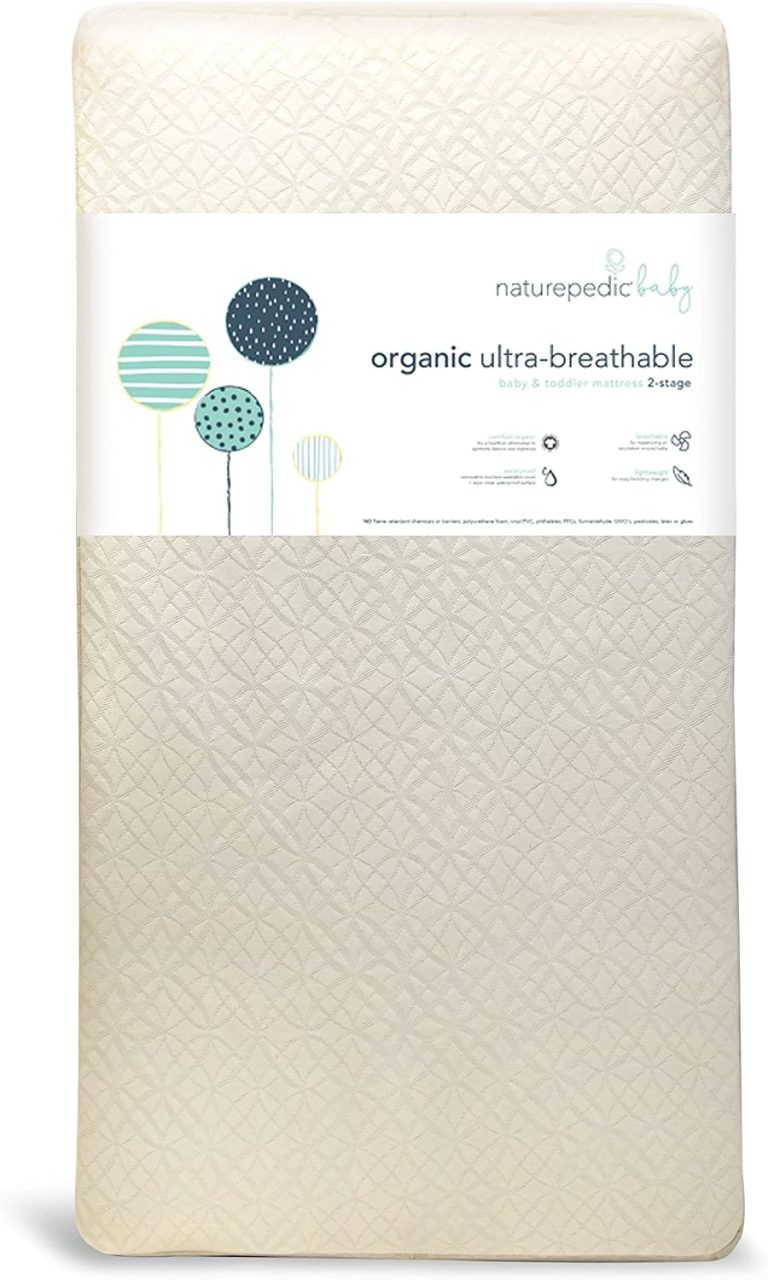
Children outgrow cribs quickly. A standard crib mattress is 28 inches by 52 inches. When your child turns two or three, it is time to transition to a Twin. The Twin is big enough to last until high school.
For tweens and teens, a Twin XL is a smart investment. It provides that extra length for growth spurts. We found that many parents regret buying a standard Twin because their teen outgrows it by age 14.
If you are buying for a teen who will go to college, a Twin XL is the exact size used in dorms. That way, their sheets and mattress topper can move with them to school.
Your Pre-Purchase Checklist
Before you click “buy,” run through this quick checklist. It takes five minutes and prevents a return headache.
- Measure your bedroom width and length with a tape measure
- Check your doorframe width to ensure the mattress fits through
- Measure your current bed frame or box spring dimensions
- Confirm the mattress depth to buy matching sheets
- Plan for a 24-inch walking path around the bed
- Consider your height and your partner’s height for length needs
That last bullet is important. A King is great for width, but if you are 6 feet 4 inches, a Cal King is a better fit for your frame. You will not want to sleep diagonally forever just to fit your legs.
International Mattress Sizes (Just for Context)
You might be shopping online and see imported sizes. European and UK mattresses use different measurements. A UK King is 60 x 78, which is smaller than a US Queen. If you buy a mattress from overseas, you will struggle to find US sheets that fit.
Stick with US standard sizes unless you are buying the bedding from the same country. Mixing systems rarely works out well. We found that most returns happen because people buy an imported bed without checking the country of origin.
Always look for the label that says “US Standard” or “Made for North America.” This ensures compatibility with your existing frame and bedding.
Your final step is simple. Take your measurements, compare them to the chart above, and trust the numbers. Your sleep quality depends on getting this right. A bed that fits your room and your body is the foundation of a good night’s rest.
Conclusion
You now have every standard mattress measurement you need. The quick numbers are easy to remember: Twin is 38×75, Queen is 60×80, and King is 76×80. But the real takeaway is to measure your actual mattress and your room before you buy anything.
Sizes can vary by up to an inch, and your bedroom layout matters more than you think. Grab a tape measure and check your doorframes, your walking space, and your current frame. That small step prevents a big return headache.
Match the dimensions to your height and your sleeping habits. If you are tall, choose a Cal King for legroom. If you share a bed, a Queen or King gives you both enough space. Your next move is simple: use our checklist, measure twice, and order with confidence.
Frequently Asked Questions
Are all mattresses in the same size actually the same dimensions?
No, they are not. Most manufacturers build within a tolerance of plus or minus one inch. That means a Queen could measure anywhere from 59 to 61 inches wide. The length usually stays consistent, but the width can shift slightly.
Always measure your actual mattress before buying fitted sheets. This is especially important for tight-fitting protectors and toppers.
What is the best mattress size for one person who moves around a lot?
A Full is a good starting point for a solo sleeper who wants extra room. But a Queen gives you much more space to stretch out without touching the edges. We found that most active sleepers prefer a Queen once they try it.
You get about 30 inches of personal width on a Queen. That is close to what you get with a Twin but with more length.
Do I need a box spring, or can I put my mattress on any frame?
You do not always need a traditional box spring. Many modern mattresses, especially foam and hybrid models, work fine on slatted frames or platform beds. Check your mattress warranty first, because some brands require specific support.
Measure your frame width to match your mattress dimensions in inches. A mismatch here is one of the most common reasons for sagging and damage.
Why is a California King more expensive than a standard King?
A Cal King is less common than a standard King, which drives the price up. Fewer manufacturers produce them, and the specialty size requires separate production lines. The unique 72×84 dimensions also mean fewer sheet options.
You pay a premium for that extra 4 inches of length. If you are under 6 feet 2 inches, a standard King is more affordable and gives you better width.
Can I use Queen sheets on a Full mattress in an emergency?
Technically yes, but the fit will be loose and sloppy. Full mattresses are 54 inches wide, while Queen sheets are made for 60 inches. The extra fabric will bunch up under you and cause discomfort.
In a pinch, you can tuck the excess material under the mattress. But do not do this long-term, because loose sheets can wrinkle and rub against your skin.