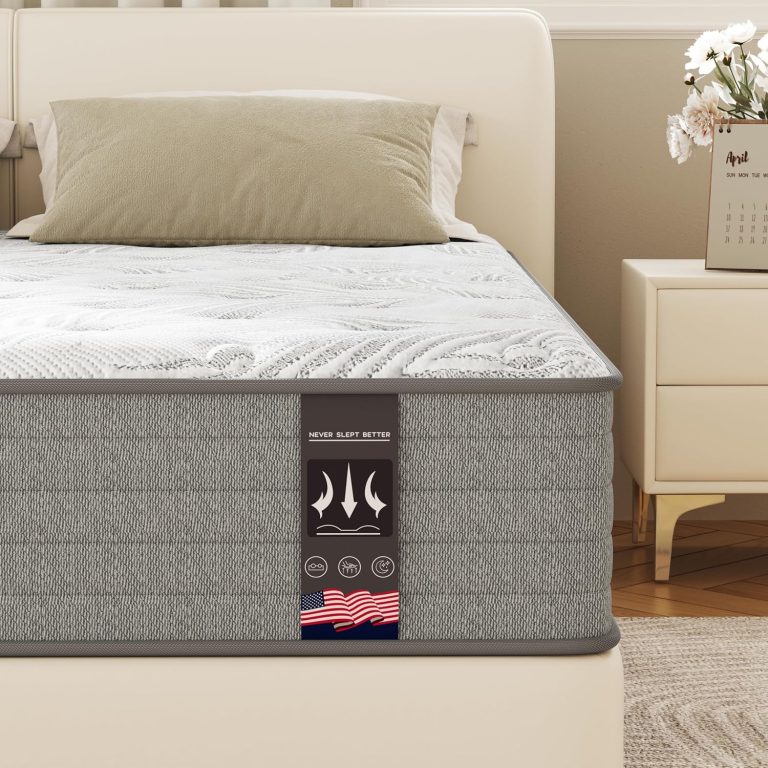
How Your Mattress Choice Impacts Baby Sleep Quality
Yes, the mattress can absolutely affect your baby’s sleep. In fact, the type, firmness, and condition of the crib mattress are some of the biggest factors in how well—and how safely—your little one sleeps. We found that choosing the right mattress is just as important as their bedtime routine.
Your baby spends most of their day—and night—on their back. That means the surface they sleep on plays a huge role in their comfort and their safety. A mattress that is too soft, worn out, or improperly fitted can lead to restless nights and, more critically, increase the risk of Sudden Infant Death Syndrome (SIDS) and suffocation. Safety standards and firmness ratings are the first things you need to check.
TL;DR (The Quick Scoop):
- Firmness is non-negotiable: Your baby needs a firm mattress. A soft one is a major SIDS risk.
- Fit the crib perfectly: You shouldn’t be able to fit more than two fingers between the mattress and the crib side.
- Look for certifications: Choose mattresses labeled as GREENGUARD Gold or similar for low chemical emissions.
- Use a tight-fitting sheet: Only use the fitted sheet made for that mattress—no blankets, bumpers, or pillows.
- Watch the wear and tear: If it’s sagging, cracked, or peeling, it’s time for a replacement.
Below, we break down exactly how to pick a safe mattress, what to avoid, and simple ways to ensure your baby’s sleeping surface isn’t the reason they’re waking up. Let’s take a look at what actually works.
Why Your Baby’s Mattress is a Sleep Game-Changer
You have probably checked the room temperature, dimmed the lights, and perfected the white noise machine. But research shows that the surface under your baby is the real foundation of their sleep. It is not just about comfort. It is about safety and how often your baby wakes up.
We found that a poor mattress can cause your little one to wake more frequently. It can also create dangerous sleep conditions. Let’s walk through why this matters and how to fix it.
The Safety Connection You Cannot Ignore
When we talk about baby sleep, safety must come first. The American Academy of Pediatrics (AAP) is very clear on this: your baby needs a firm, flat surface to sleep on. This is not a suggestion; it is a rule for reducing the risk of SIDS and accidental suffocation.
A soft mattress allows your baby’s head to sink into the surface. This can block their airway. It also creates a pocket of carbon dioxide around their face. Many experts say that a firm mattress keeps the airway open and clear. It is the single most critical factor in safe sleep.
Why “Firm” Is Actually Comfortable for a Baby
Here is a common misconception: parents think soft equals cozy. For adults, that is often true. For babies, it is the opposite. A firm mattress supports their developing spine and heavy head properly. Think of it like sleeping on a tightly woven yoga mat, not a marshmallow. Babies actually settle better on a surface that offers resistance.
We found that babies sleep longer and deeper when they feel secure. A hard, flat surface provides that security. It does not hug them like a cloud, but it supports their entire body evenly. This reduces the pressure points that can cause a baby to squirm and wake up.
How an Old or Worn Mattress Ruins Sleep
Even if you start with a great mattress, time can change it. A crib mattress is not built to last forever. We found that wear and tear is a silent sleep killer. You need to check the condition regularly to keep your baby safe and sound.
The Sagging and Indentation Problem
Take a look at the middle of the mattress. Does it dip down? Even a slight dip can cause your baby to roll toward the center. This creates a curvature in their spine. That is uncomfortable. It also puts pressure on their tiny joints.
A sagging mattress is a hazard. If your baby sleeps in a hollow, they are breathing in a small space. The air can become stale quickly. We recommend replacing the mattress if you see any visible dip when you push down on the center.
The Moisture and Mold Factor
Babies leak. It happens at 2 AM, and you might not catch it right away. Over time, these spills soak into the mattress. This can lead to mold and mildew growing inside the foam. Mold is a major allergen. If your baby is congested, they will not sleep well.
You cannot see inside a foam mattress easily. If you notice a musty smell, that is a red flag. We found that investing in a waterproof mattress cover from day one is the best defense. It keeps the core clean and protects your baby’s airways from allergens.
When to Replace the Crib Mattress
How long should a crib mattress last? Most guidelines suggest replacing it for every new child. That is the safest rule. If you are using it for a second child, check it very carefully. Fading, peeling, or cracks in the waterproof layer mean it is time to go.
You should also replace it if the mattress has lost its firmness. Press your palm into the center. If it compresses easily, it is too soft. A good rule of thumb is to check the corner and the center. If they do not feel the same, throw it out.
Firmness Levels Explained: The “Two-Finger” Test
You do not need a scientific lab to test a mattress. There is a simple method we found that works everywhere. It is called the “two-finger” test. It checks both the firmness and the fit of the mattress in the crib.
First, press your two fingers against the side of the mattress. Then, try to slide them between the mattress and the crib wall. If you can fit more than two fingers, the mattress is too small. That gap is a suffocation risk. Your baby can roll into that space and get stuck.
For firmness, push down on the surface with your flat hand. The mattress should spring back immediately. It should feel like pressing on a hardcover book, not a pillow. We found that if the surface stays indented for even a second, it is too soft for a baby.
Testing the Mattress at the Store
When you are shopping, do not be shy. Press on the mattresses. You might get a few looks, but you are the one going home with the baby. We recommend testing the firmness in the middle and at the corners. Corners are often softer due to the stitching.
Look for the firmest option in the store. Do not buy a “plush” or “luxury” version. Babies do not need luxury foam. They need support. Many experts say that the harder it feels to you, the safer it is for your infant.
Choosing the Right Material for Better Sleep
The materials inside the mattress affect more than just durability. They affect temperature and chemical exposure. Both of these can disturb sleep. You want a mattress that keeps your baby cool and does not off-gas harmful chemicals into the air.
Foam vs. Innerspring: What We Found
There are two main types of crib mattresses on the market. We found that both can be safe if they are firm enough. The choice comes down to weight and temperature.
- Innerspring mattresses: These have steel coils. They are usually heavier and firmer. They breathe better and tend to stay cooler. They are a solid, classic choice for safety.
- Polyurethane foam: These are lightweight and easy to change sheets on. However, they can trap heat. We found that cheaper foam mattresses lose their firmness faster than innerspring ones.
- Organic materials: Look for wool or organic cotton fills. These are usually hypoallergenic. They are great for babies with sensitive skin or allergies.
Understanding Certifications for Safety
Your baby will spend up to 16 hours a day breathing near this mattress. The chemicals in the foam can off-gas. This releases volatile organic compounds (VOCs) into the air. These can irritate your baby’s airways.
Look for certifications on the label. GREENGUARD Gold is the gold standard we found. It ensures the product has low chemical emissions. You also want to check for CertiPUR-US. This means the foam is free from heavy metals and phthalates. These certifications give you peace of mind.
Checking the Fit and The Crib Setup
You do not just need a good mattress. You need a mattress that fits the crib like a glove. An ill-fitting mattress is one of the top safety hazards. We found that even a half-inch gap is too much.
Here is a quick checklist to ensure a safe setup:
- Check the gap: You should not be able to fit more than two fingers between the mattress and the crib frame.
- Use the right sheet: Only use the fitted sheet designed for that specific mattress brand.
- Skip the padding: Do not put a memory foam topper on top of the crib mattress. This makes the surface softer and unsafe.
- Remove the bumpers: Crib bumpers are linked to a higher risk of suffocation and are not recommended by pediatricians.
- Verify the mattress height: Adjust the mattress to the lowest setting once your baby can sit up on their own.
The Tight Sheet Rule
A loose sheet is a hazard. It can bunch up around your baby’s face. We found that the best trick is to tuck the sheet tightly under all four corners. Then, tug on it. If it comes loose easily, it is too big.
You should only use the sheet that comes with the mattress or a certified companion sheet. Do not use standard adult sheets to save money. They are too big and create loose fabric. This is not just a comfort issue; it is a breathing hazard.
Temperature Regulation and Night Waking
Have you ever woken up in a sweat? Your baby feels that too, but they cannot do anything about it. A mattress that retains body heat is a major cause of midnight fussing. We found that overheating is also a risk factor for SIDS.
Your baby should sleep in a cool room, around 68 to 72 degrees Fahrenheit. But the mattress material matters too. Some foam mattresses act like a heat sponge. They absorb your baby’s body heat and trap it against their back. This makes them sweaty and uncomfortable.
Keeping the Sleep Surface Cool
Look for mattresses with breathable covers. Bamboo or cotton covers are excellent choices. They wick away moisture and allow air to circulate. Innerspring mattresses are naturally cooler. The air flows between the coils and escapes through the padding.
We found that adding a thin, breathable mattress pad can help with temperature regulation. But keep it extremely thin. You do not want to add any padding that could soften the surface. A cooling mattress protector is a safe way to help regulate temperature.
Building a Safe Sleep Routine Around the Mattress
Once you have the perfect mattress, you need to use it correctly. The mattress is just one part of the sleep environment. The rest of the crib should be mostly empty. Less is more when it comes to infant sleep.
We recommend keeping the crib completely bare. That means no pillows, no blankets, no stuffed animals, and no positioners. The mattress, a tight-fitting sheet, and your swaddled baby are all you need. This is the safest way to sleep and actually helps your baby sleep longer.
Why a Bare Crib Means Better Sleep
Think about it from your baby’s perspective. A cluttered crib is confusing. It offers distractions. A bare crib is boring, and boring is good for sleep. Your baby has nothing to look at or roll onto. They just close their eyes and drift off.
We found that babies startle less when they are placed on a flat, stable surface. The firm mattress gives them a sense of grounding. It prevents the “falling” feeling they get when they startle. This reduces the Moro reflex waking them up.
Final Mattress Care Tips for Long-Lasting Support
You have made the investment. Now you need to protect it. A well-maintained mattress will last longer and stay firmer. This keeps your baby sleeping safely for the full crib years.
Always use a waterproof mattress cover. This is non-negotiable. We found that it is much easier to wash a cover than to clean a mattress. It protects against spit-up, diaper leaks, and drool. A dry mattress is a firm mattress.
You should also rotate the mattress regularly. Since babies always lie in the same position, the head and foot areas can wear out. Rotating it end-to-end every few weeks helps distribute the wear evenly. This prevents premature sagging.
Finally, air out the mattress when you wash the sheets. Take it outside or leave it in a sunny room for an hour. This allows any trapped moisture to evaporate. It also refreshes the materials. A fresh mattress supports better sleep.
The bottom line is simple: the right mattress is a non-negotiable investment. It affects your baby’s safety, their comfort, and their sleep quality. Checking the firmness and fit is a quick task that pays off in longer nighttime stretches.
Conclusion
Your baby’s mattress is the foundation of every good night’s sleep. We found that firmness, fit, and materials all play a major role in keeping your little one safe and settled. A worn or soft mattress can cause frequent wake-ups and create serious safety risks.
You do not need the most expensive option on the market. You need a firm, certified, and well-fitted surface that supports your baby’s body. Check the two-finger test today. Press on the center. If it feels soft or dips, it is time to shop for a replacement. Your baby’s sleep—and your peace of mind—depend on it.
Frequently Asked Questions
Can a mattress topper make my baby’s crib safer?
No. You should never add a mattress topper to your baby’s crib. Toppers add a soft layer on top of a firm surface. That softness increases the risk of suffocation and SIDS. The crib should only have the mattress and a tight-fitting sheet.
How do I clean a baby mattress without ruining it?
Spot clean the surface with a mild baby-safe soap and warm water. Do not soak the mattress or use harsh chemicals. Always let it air dry completely before putting the sheet back on. A waterproof cover makes this job much easier and protects the core.
Is a used crib mattress safe for my baby?
It depends on the condition and age. You should never accept a used mattress that is more than a few years old. Check for sagging, stains, or a musty smell. If the previous owner is unknown, buy a new one. Your baby’s safety is not worth the savings.
Can an organic mattress help my baby sleep better?
Organic mattresses can help babies with allergies or sensitive skin. They use natural materials like wool and cotton that are less likely to cause irritation. They also release fewer chemicals into the air. However, firmness and fit still matter more than the material type.
Should I flip my baby’s mattress to extend its life?
You should only flip the mattress if the manufacturer says it is double-sided. Many modern crib mattresses are designed for one side only. Flipping a single-sided mattress can make the unsafe soft side face up. Rotate it end-to-end instead to keep the wear even.