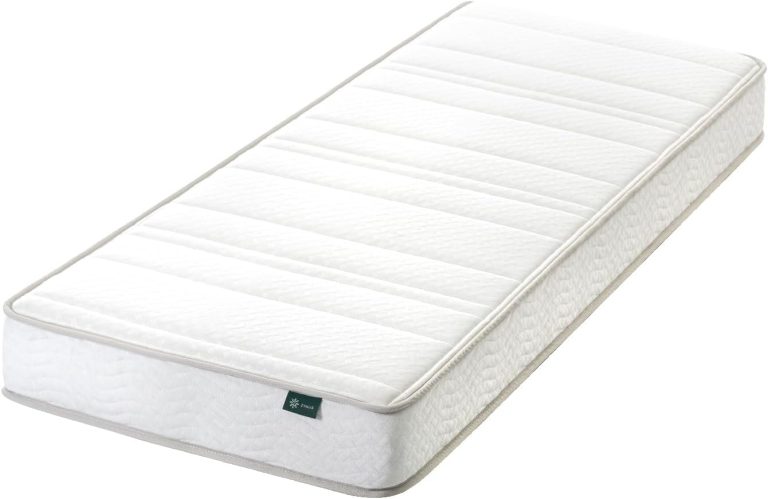
Can Mattress Springs Be Recycled? Yes—Here’s How
Yes, mattress springs can be recycled, and the metal inside them is almost always valuable to scrap yards. The tricky part is that you usually can’t just toss the whole mattress in a curbside bin, so it takes a little planning to get the springs out and turned into something new.
We found that most of a mattress is actually recyclable, not just the steel coils. The foam, fabric, and wood can all be repurposed, but the springs are the easiest material to sell or process. This makes recycling a smart choice instead of adding another bulky item to a landfill.
- Yes, the steel coils in your bed are 100% recyclable.
- Scrap yards will often pay you a small amount for the metal.
- You need to strip the mattress down or find a special facility to do it.
- Many local recycling centers and charities accept old mattresses for this purpose.
- Check with your city, as some offer free drop-off events for large items.
Below, we break down exactly how to find a recycling option near you and what to do with those springs once they’re out.
Understanding Whether Mattress Springs Qualify as Recyclable
You might be surprised to learn that your mattress springs are actually one of the most recyclable parts of the entire bed. The steel coils inside your mattress are a highly sought-after material, and scrap yards usually pay cash for them.
We found that the metal in a queen-sized mattress can weigh anywhere from 20 to 30 pounds. That is a solid chunk of reusable steel. It’s a waste to send that to a landfill when it can easily become new car parts, appliances, or building materials.
Why Steel Springs Hold Value for Recyclers
Steel is one of the few materials that can be recycled over and over without losing quality. That makes it a valuable commodity for scrap dealers. When you turn in a pile of mattress springs, you are handing over pure metal that factories can melt down and reshape.
Many experts point to the fact that recycling steel saves a huge amount of energy compared to making new steel from raw iron ore. According to the Environmental Protection Agency, recycling steel saves about 60% of the energy needed to produce it from virgin materials. That means your old bed coils help cut down on pollution and resource use.
What Kind of Metal Is in Your Mattress
Most mattresses use high-carbon steel for their innerspring units. This is the same type of steel used in many construction and automotive applications. A few older or specialty mattresses might have aluminum components, but steel remains the industry standard.
We found that the gauge, or thickness, of the wire does not matter much for recycling purposes. Scrap yards typically accept all types of steel coils. You do not need to worry about sorting different spring sizes.
Finding a Facility That Takes Old Mattress Steel
Not every recycling center is set up to handle a full mattress. Some places only want the metal. Others have the machinery to take apart the entire bed and recycle every layer. Your job is to figure out which option fits your situation.
We found that a quick search for local scrap yards is usually the fastest way to get rid of springs. Most towns have at least one metal buyer that will pay you by the pound. You just need a way to get the springs out of the mattress first.
Scrap Yards and Metal Recyclers Near You
Call ahead and ask if they accept household steel. Many smaller yards will say yes without hesitation. They might even give you a bin to dump the springs into once you arrive.
It also helps to ask about their current price per pound for prepared steel. Prices fluctuate, but you will likely get a few dollars for a full set of mattress coils. It’s not a huge payday, but it feels good to know the metal is being reused.
Municipal Programs and Drop-Off Events
Many cities host bulky item collection days where you can leave a mattress on the curb. Some of these programs send the beds to a dedicated mattress recycling facility. Check your city’s waste management website to see if they partner with a recycler.
If your city does not offer this service, look for county-level recycling events. We found that many communities hold seasonal drop-off days specifically for mattresses and box springs. These events usually strip the bed down and send the springs to a metal processor.
Retailer Take-Back Programs
When you buy a new mattress, ask the store if they offer old mattress removal. Many national chains have partnerships with recycling companies. They will haul away your old bed, and you do not have to lift a finger.
Just be sure to ask if they actually recycle or just toss it. Some stores only take the old mattress to a landfill. Look for brands that advertise a green disposal program.
How to Strip a Mattress to Get to the Springs
If you want to recycle the springs yourself, you have two main paths. You can fully dismantle the mattress by hand, or you can find a local facility that does the hard work for you. Both options are valid, but they require different levels of effort.
We found that taking apart a mattress is messy but doable with basic tools. You will need a utility knife, a pair of wire cutters, and some thick gloves. The process takes about 30 to 45 minutes once you get the hang of it.
Step-by-Step Mattress Dismantling
Start by laying the mattress flat on the ground or a tarp. Use your utility knife to slice through the outer fabric along one of the long sides. Peel the fabric back like you are unzipping a giant jacket.
- Remove the top layer of quilted foam and fabric padding. This layer is often stuffed with polyurethane foam.
- Pull back the inner fabric to expose the steel coils. There may be a thin layer of fiber or mesh covering them.
- Clip any wires that connect the coils together. Most springs are tied together by thin helical wires along the edges.
- Lift out the spring unit as one large piece, or collapse it in sections if it is too big.
- Separate the coils if the scrap yard prefers loose springs, or keep them compacted.
Once the springs are out, you can bundle the leftover fabric and foam for separate recycling. Many centers take those materials too.
Safety Tips for Handling Old Springs
Worn mattress springs can have sharp, exposed ends. A pair of sturdy work gloves is a must-have. Wear long sleeves and eye protection if the springs are rusty or brittle.
We found that cutting the connecting wires helps the springs lie flat, which makes them easier to transport. You can also wrap the coils in an old sheet or tarp to prevent them from poking through a trash bag.
Comparison of Different Mattress Spring Recycling Routes
Not sure which method is right for you? We put together a quick comparison table to help you decide based on effort, cost, and payout.
| Recycling Method | Effort Required | Cost | Potential Payout |
|---|---|---|---|
| Local scrap yard (DIY) | High — you strip the mattress yourself | None, just your time | Small cash for steel |
| Municipal drop-off event | Low — you just deliver the mattress | Usually free | No cash, but no fee |
| Retailer take-back program | Very low — they pick it up | Sometimes a fee | Peace of mind |
| Dedicated mattress recycler | Medium — may require drop-off | Small fee possible | No cash, but full recycling |
Think of it like this: the scrap yard route is the best if you want a few bucks. The other methods are better if you value convenience over cash.
Creative Ways to Repurpose Your Old Bed Springs
Recycling is not the only option. If you are the crafty type, those steel coils can get a second life in your home or garden. Recycled or upcycled, the springs still avoid the landfill.
We found that mattress springs make great plant supports for climbing vines and tomatoes. The coil shape gives plants a natural trellis to grip. You can also use them to make rustic picture frames, jewelry holders, or industrial-style desk organizers.
Before You Throw Springs in the Trash
If you are thinking about just hauling the whole mattress to the curb, pause for a second. Landfills are already overflowing with bulky items. Mattresses are notorious for taking up massive amounts of space because they are hard to compact.
We found that the steel inside a single mattress can be recycled into enough new steel to make about 120 steel cans. That means your one old bed could supply material for a lot of everyday products. It’s a small effort for a meaningful impact.
So before you call a junk removal service, check if they have a recycling partnership. You can also ask if they separate the steel from the rest of the mattress. It only takes one phone call to keep those springs out of the dump.
Conclusion
You now know that mattress springs are not only recyclable but also valuable. The steel coils inside your bed can easily become new products instead of sitting in a landfill for decades. We covered the different routes you can take, from selling the springs to a scrap yard to using a retailer take-back program.
Your next step is simple. Check what options exist in your city by searching for local scrap yards or municipal recycling events. If you feel handy, strip the mattress yourself and turn those coils into a few dollars. If not, find a facility that does the work for you. Every spring you recycle makes a real difference.
Frequently Asked Questions
Can I put mattress springs in my regular recycling bin?
No, you cannot put loose springs or a whole mattress in your curbside recycling bin. Most municipal recycling programs are not equipped to handle bulky metal items like this. You need to take them to a scrap yard or a dedicated drop-off location instead.
How much money will I get for recycling mattress springs?
You will likely get a small amount, usually between $2 and $10 for a full queen-sized set of coils. The exact price depends on the current scrap steel rate in your area. It is not a big payday, but it covers your gas money and keeps metal out of the trash.
Do I need to remove the fabric and foam before recycling the springs?
It depends on where you take them. Scrap yards typically want only the bare metal, so you must strip the mattress first. Some dedicated mattress recyclers accept the whole bed and handle the separation themselves. Call ahead to confirm what they expect before you show up.
Are box springs recyclable too?
Yes, box springs are just as recyclable as mattresses. They contain steel coils, a wooden frame, and fabric covering. You can break them down the same way or take them to the same facilities that accept mattresses.
What happens to the springs after I recycle them?
The springs are melted down in a steel mill and turned into new metal products. That recycled steel can become anything from car frames and appliances to construction beams and cans. The metal retains its strength through the recycling process, so it gets a completely new life.