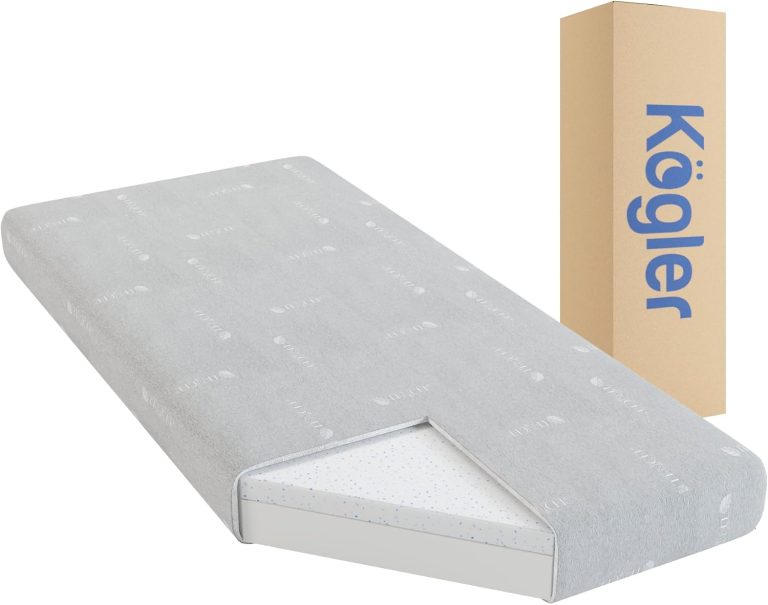
Can You Resize a Mattress? Key Facts to Know
Yes, you can resize a mattress, but only in certain situations. The most common and successful way to resize a mattress is by cutting down a latex or polyurethane foam mattress to fit a smaller bed frame. However, you cannot resize an innerspring mattress, as doing so will destroy its support structure and ruin the coil system.
We found that the resizing process is not a simple DIY project for most sleepers. The specific method depends entirely on what your mattress is made of inside, and getting it wrong can void your warranty or ruin your investment. Your mattress size should always match your bed frame perfectly to prevent sagging and ensure proper spinal support, but sometimes moving to a new home or changing bed frames leaves you with a mismatch.
- Foam mattresses can be resized using a long serrated knife and a straight edge guide.
- Innerspring mattresses cannot be resized because you cannot cut the metal coils without breaking them.
- Hybrid mattresses are risky to cut because they contain both foam layers and coils.
- Measure twice before you cut once so you know your exact target dimensions.
- Check your warranty first, as cutting almost always voids any protection you have.
Below, we walk you through exactly what you can resize, what you absolutely should not attempt, and some safer alternatives like mattress toppers or custom covers that might solve your problem without a single cut.
Resizing Your Mattress: What You Need to Know First
You can resize a mattress if it is made entirely of foam. Your success depends on the inside of your bed, not the cover. Many experts say that cutting a mattress is a last resort, not a first choice.
We found that most people consider resizing when they move to a smaller room or buy a new bed frame that is slightly off. Before you reach for a knife, you need to know what your bed is made of because that determines if this project is even possible.
Why You Can’t Cut Certain Mattress Types
Think of your mattress like a sandwich. If that sandwich has layers of deli meat (coils), slicing it down the middle ruins the whole meal. If it is just soft bread and cheese (all foam), you can trim the crust cleanly off.
Innerspring mattresses have a continuous steel coil system. Cutting through those coils destroys the support structure. We found that once you cut a spring, that entire zone fails, and you get a sagging, lumpy surface that ruins your sleep.
Hybrid Mattresses and the Coil Perimeter
Hybrid mattresses are the trickiest to resize. They have foam on top but steel coils inside. The coils sit in a specific pattern that spreads weight evenly. Many guidelines point out that any modification to that pattern will compromise the bed’s durability (Sleep Foundation).
If you are unsure what your mattress contains, check the law tag. It lists the fill materials. If you see “steel” or “coil” on that tag, stop right there. That bed is off-limits for resizing.
The Right Way to Cut a Foam Mattress Smaller
If you confirmed that your bed is 100% polyurethane foam or latex foam, you have a real chance at success. This process works best for cutting a king down to a queen, or a queen down to a full. You cannot make a mattress bigger, just smaller.
You need a long serrated knife (an electric carving knife works best), a straight edge like a level, and a marker. You also need a helper, because foam is floppy and awkward to cut alone.
- Measure your target dimensions and draw a chalk or marker line on the side of the foam.
- Use the straight edge as a guide on the top of the mattress.
- Cut straight down through the side, following your line.
- Have your helper pull the foam taut as you saw through it.
Tools That Actually Work for Cutting Foam
We researched the best tools for this job, and results vary a lot. A serrated bread knife gets the job done with some effort. An electric carving knife makes clean, straight cuts through thick foam. A foam cutter with a heated wire gives the cleanest edge but only works if the mattress is under six inches thick.
Do not use a box cutter or utility knife. The blades are too short. You will have to go around the bed multiple times, creating ugly, uneven edges.
Why You Need to Cut One Side at a Time
Watch how a professional upholsterer does this. They cut one side, then rotate the foam. This keeps the cut straight and square. If you cut all the way around before finishing, your knife will drift and give you a crooked mattress.
Check your measurement twice. We found that once you cut foam, there is no going back. There is no glue that fixes a bad cut properly.
What About Resizing an Innerspring Mattress?
You cannot resize an innerspring mattress. You can remove layers of the padding and quilted cover, but you cannot shorten the coil system. The coils are built as a single unit. Cutting them creates sharp edges that poke through the fabric and ruin the bed.
We found that some people attempt to remove the outer coils on the sides to make the bed narrower. That is a bad idea. The outer coils are part of the edge support system. Removing them makes the bed collapse when you sit on the edge.
Safe Alternatives Instead of Cutting Springs
If you have a spring mattress that is too big, do not cut it. Instead, look for alternatives that solve the size issue differently.
- Custom mattress covers can make a bed look fitted to a frame.
- Bed frame adapters fill gaps between old and new frame sizes.
- Mattress toppers can mask some edge issues but not fix them.
American Sleep Association guidance suggests that forcing a mis-sized mattress into a frame causes premature wear. The bed will sag in the unsupported areas.
Warranty Risks and the Hidden Costs of Cutting
Cutting your mattress voids the warranty. Period. Most manufacturers seal the mattress with a law tag and warranty card. Any alteration to the original product cancels your protection immediately.
We found that this is the number one reason people regret resizing. A brand-new queen mattress costs around eight hundred dollars. If you cut it and make a mistake, you just turned an expensive item into garbage with zero recourse.
Cost Comparison: Resizing vs. Buying New
Before you cut, consider the math. It costs nothing to cut a foam bed. But a new foam mattress in the correct size costs between two hundred and five hundred dollars. If your current bed is older than five years, buying new might be worth it just for the new mattress warranty and comfort.
| Option | Cost | Risk Level |
|---|---|---|
| Cut foam mattress (DIY) | 0 to 20 dollars for tools | Medium |
| Buy new foam mattress | 200 to 500 dollars | Low |
| Modify bed frame | 25 to 100 dollars | Low |
Look at the total lifespan of your current bed. If you have used it for three years and it has a ten-year life expectancy, cutting gives you seven more years. That is a good trade. If the bed is already six years old, you are better off replacing it.
How to Check Your Mattress Type Before Cutting
You cannot always tell what is inside a mattress just by pressing on it. A small diagnostic cut helps, but do it near the bottom corner. That corner is hidden once you put sheets on, so any cut mark there is invisible.
You are looking for the internal structure. If you see bars or steel, stop the project. If you see solid white foam, you are safe to proceed.
Understanding Different Foam Grades
All foam is not created equal. We researched many foam formulas and found that memory foam cuts cleanly because it is dense and soft. Latex foam is trickier because it is bouncy and resistant to cutting. But both can be resized successfully.
Polyurethane foam that is very low density and crumbly should not be cut. It crumbles during the sawing process and creates massive dust that gets everywhere. A foam layer that is less than two inches thick is also not worth resizing, as it will tear easily.
Finishing Your Resized Mattress
Once you cut the foam, you need to finish the edges. The cut edges are raw and exposed. They are weaker than the original, machine-covered edges. You have two options here that matter.
Re-covering and Sealing the Cut Edges
You can buy a new zippered cover that fits your new size. This protects the foam and gives your mattress a professional look. Or you can wrap the cut edges in packing tape to keep them sealed. Many people report that cutting through the original cover causes fraying and dust.
A good tip we found is to spray the cut edges with a fabric sealant spray. That keeps the foam cells from shedding little particles over time.
The Full Checklist Before You Even Start Cutting
- Confirmed the mattress is 100% solid foam.
- Checked that your warranty coverage is already expired.
- Measured your bed frame exactly with a tape measure.
- Ordered or purchased a properly sized fitted sheet to fit.
- Gathered proper tools: serrated knife, straight edge, marker.
- Enlisted a friend to help hold the foam steady.
If you checked off every box, you are ready. If you hesitated on any of them, pause and think about a new mattress purchase instead.
Conclusion
Resizing a mattress is possible, but only if yours is made entirely of solid foam. Innerspring and hybrid beds have steel coils you cannot cut without destroying the support system. You checked the law tag, measured your frame, and weighed the warranty risks. That puts you ahead of most people.
If you have a foam mattress and solid measurements, grab an electric carving knife and a steady helper. Cut one side at a time, seal the raw edges, and buy a properly sized cover. If you have any doubt about what is inside your bed, skip the knife and buy a new mattress. Your sleep quality is worth more than the cost of replacement.
Frequently Asked Questions
Can a mattress be made smaller without cutting it?
No, you cannot shrink a mattress without altering its structure. You can modify the bed frame to fit the mattress, or use a mattress topper to mask some gaps. For a true size change, cutting foam is the only option, and it only works on all-foam beds.
Will cutting a memory foam mattress ruin its comfort?
Cutting memory foam does not change the density or feel of the remaining foam. The comfort layer stays intact because you are only removing excess material. The main risk is an uneven cut, which can create a lumpy sleeping surface over time.
Can a professional upholsterer resize my mattress for me?
Some upholstery shops will cut foam mattresses, but most refuse innerspring work. The cost of professional resizing often approaches the price of a budget new mattress. We found that most people do this DIY because the process is simple for foam, and professional help is rarely worth the expense.
How much smaller can you cut a foam mattress?
You can safely cut a foam mattress down to any smaller size as long as you keep the remaining shape rectangular. A king can become a queen, and a queen can become a full. Do not cut more than 12 inches off any single side, as this weakens the internal foam structure.
What happens if you use a resized foam mattress on an adjustable base?
A cut foam mattress works fine on an adjustable base, but you lose the original edge reinforcement. The cut edges are more flexible and may sag slightly when the base bends. A new zippered cover helps hold the foam together and keeps it stable during movement.