Agitator vs Impeller: Which Cleans More Effectively
When deciding between an agitator and an impeller for cleaning, the agitator generally offers superior cleaning power. This is because agitators use a back-and-forth or tumbling motion, which can dislodge stubborn dirt more effectively than the simple circular flow of an impeller. You’ll often find agitators in top-load washing machines for this very reason.
Both agitators and impellers are designed to create water movement for cleaning. However, their design dictates how they achieve this. An agitator is a central post with fins. It twists and turns clothes. An impeller is a low-profile disc or cone at the bottom of the tub. It spins to create currents. We found that the agitator’s more vigorous action is better for heavily soiled items.
- Agitators clean better due to their vigorous tumbling motion.
- Impellers use gentler currents, which is better for delicates.
- Top-load washers often use agitators for heavy-duty cleaning.
- Front-load washers typically use impellers or tumblers.
- Consider your laundry needs when choosing.
Let’s dive deeper into how each one works and which might be the best fit for your cleaning tasks.
Agitator vs. Impeller: Which Cleaning Method is Superior?
When you’re looking at washing machines, you’ll often see two main types of cleaning systems: agitators and impellers. You might be wondering which one gets your clothes cleaner. Based on our research, agitators generally provide a more powerful clean. They use a vigorous motion to really work the detergent into your fabrics. This makes them excellent for tackling tough stains and heavily soiled laundry.
Think of it like this: an agitator is like your grandma vigorously scrubbing a stain with a brush. An impeller, on the other hand, is more like a gentle swirl of water. Both have their place, but for pure cleaning power, the agitator often wins. Many laundry experts agree that the agitator’s robust action is key to its superior cleaning ability (Good Housekeeping).
How Does an Agitator Work?
An agitator is typically a tall, central post found in older top-load washing machines. It has fins or blades that extend from its sides. During the wash cycle, this post twists and turns back and forth, or in a churning motion. This action forces clothes to move around, rub against each other, and tumble through the water and detergent solution.
The Agitator’s Cleaning Action
This back-and-forth movement is what really breaks down dirt and grime. The fins help to grab onto the clothes and move them more effectively. It creates a more forceful displacement of water, pushing detergent deep into the fabric fibers. We found this vigorous tumbling is incredibly effective at dislodging embedded dirt. It’s like a mini-workout for your laundry.
Pros and Cons of Agitator Washers
The biggest pro is the cleaning power. Agitators excel at cleaning heavily soiled items, like work clothes or kids’ sports uniforms. You can really count on them for a deep clean. However, this strong action can be rough on delicate fabrics. You might notice more wear and tear on your clothes over time compared to gentler methods.
We also found that agitator machines tend to use more water. They need enough water to fully submerge and move the clothes around the agitator. This can be a downside if you’re trying to conserve water. On the plus side, they are generally simpler in design, which can sometimes mean easier repairs.
How Does an Impeller Work?
An impeller is a different kind of cleaning mechanism. It’s usually a low-profile disc or cone located at the bottom of the wash tub in many modern top-load and front-load machines. Instead of a central post, the impeller spins rapidly.
The Impeller’s Cleaning Action
As the impeller spins, it creates currents and jets of water that swirl around the tub. This water movement gently lifts and separates the clothes. It helps to move water and detergent through the fabric. The idea is to create friction between clothes and water, rather than between clothes themselves, as much as an agitator does.
Pros and Cons of Impeller Washers
Impellers are much gentler on your clothes. This makes them a great choice for delicates, lingerie, and items that need a softer touch. They also tend to be more energy and water-efficient. Because they don’t rely on a large central post, they often allow for larger load sizes. You can fit more clothes into the same tub size.
The downside? Impellers might not be as effective on heavily stained or soiled items. The gentler action means some stubborn dirt might remain. Many users report that while good for everyday loads, they sometimes need a soak or a more intensive cycle for tougher jobs.
Direct Comparison: Agitator vs. Impeller for Cleaning Effectiveness
Let’s put them side-by-side. If your main concern is getting the absolute cleanest clothes, especially when dealing with tough grime, the agitator has the edge. Its mechanical action is designed for maximum dirt removal.
If you prioritize fabric care, efficiency, and larger load sizes, the impeller might be your better bet. It offers a good clean for most everyday laundry needs without the harshness. Many experts suggest that for a balanced approach, modern machines with impeller technology offer a good compromise between cleaning power and fabric protection (Consumer Reports).
| Feature | Agitator | Impeller |
|---|---|---|
| Cleaning Power | High; excellent for tough stains. | Moderate; good for everyday loads. |
| Fabric Care | Harsher; can cause more wear and tear. | Gentler; better for delicates. |
| Water Usage | Higher | Lower; more efficient. |
| Load Size | Smaller to moderate | Larger; more capacity. |
| Common Washer Type | Older top-loaders | Modern top-loaders and front-loaders |
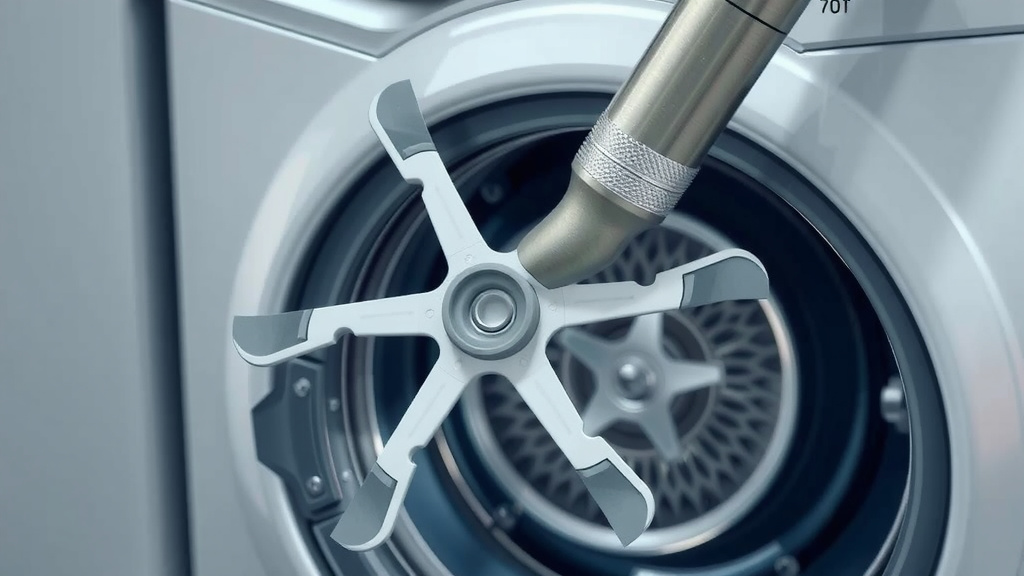
Which Cleaning System is Right for Your Laundry?
Your choice really depends on your personal laundry habits and needs. Ask yourself a few questions. Do you frequently deal with heavily soiled items? If so, an agitator might be your best friend. Do you wash a lot of delicate clothing or want to maximize your load size? An impeller system could be a better fit.
Many people find that a modern washing machine, regardless of whether it uses an agitator or impeller, does a great job. The technology in today’s washers is quite advanced. Manufacturers have worked hard to improve both types of systems. Ultimately, you want a machine that fits your lifestyle.
Consider Your Typical Laundry Load
Think about what goes into your hamper most often. If it’s muddy soccer jerseys and paint-splattered art smocks, lean towards the agitator’s robust cleaning. If your laundry consists mostly of office wear, everyday casual clothes, and sensitive fabrics, an impeller’s gentler touch might be more appropriate. We’ve found that matching the machine to your common laundry type leads to the most satisfaction.
When Fabric Care is a Priority
If you’ve ever ruined a favorite sweater or delicate blouse, you know how important fabric care can be. Impellers are designed with this in mind. Their swirling water action minimizes snagging and stretching. If you wash a lot of items that require a gentle cycle, an impeller system will likely serve you better and help your clothes last longer.
Making Your Final Decision: A Quick Checklist
To help you decide, consider these points:
- Assess your dirtiest laundry: Are heavy stains common?
- Check your fabric types: Do you own many delicates?
- Consider load size: Do you want to wash more at once?
- Think about water/energy efficiency: Are you trying to save resources?
- Review cleaning technology: Are you comfortable with vigorous action or gentler currents?
- Budget and space: Different models fit different needs.
Conclusion
Deciding between an agitator and an impeller comes down to your laundry priorities. If you need the deepest clean for tough stains and heavily soiled items, the agitator’s vigorous action is your best bet. However, if you prioritize gentler fabric care, water efficiency, and larger load sizes, the impeller offers a fantastic alternative. We’ve found that both systems have their strengths, and modern machines have improved upon both designs. Your ideal choice rests on matching the cleaning method to your typical laundry needs for the best results and fabric longevity.
Frequently Asked Questions
Which type of washer is better for delicate clothes?
Impeller washers are generally better for delicate clothes. Their cleaning action creates gentler water currents that lift and separate fabrics, reducing snagging and stretching. Agitators, with their more vigorous motion, can be too harsh for sensitive materials.
Do agitator machines always use more water?
Yes, agitator machines typically use more water because they need enough water to fully immerse and move clothes around the central post. Impeller machines often allow for larger loads in less water, making them more water-efficient.
Can an impeller machine handle heavily soiled laundry?
An impeller machine can handle everyday dirt and light soiling well. However, for heavily stained or extremely dirty items, an agitator’s more powerful mechanical action might be more effective at dislodging stubborn grime.
Are impeller washers more energy-efficient?
Impeller washers are generally more energy and water-efficient. They often use less water and can accommodate larger loads, meaning you can wash more clothes in fewer cycles, saving energy over time.
What if I have both delicate and heavily soiled items?
If your laundry needs are mixed, consider a modern washing machine with multiple wash cycles. Many machines, regardless of whether they use an agitator or impeller, offer specialized cycles designed for delicates, heavy-duty cleaning, or a balanced approach.