Small Washing Machine Sizes: What to Know
A small washing machine typically measures around 24 inches wide. These machines are perfect for smaller living spaces. They often have a capacity of 2.0 to 4.5 cubic feet, ideal for singles or couples. You can find these models in both front-load and top-load designs.
When we talk about small washing machines, we’re looking at units that offer space-saving dimensions without sacrificing too much cleaning power. They are a popular choice for apartments, condos, or even RVs. Many designs prioritize energy efficiency, which is a big plus for your utility bills.
- Small washing machines are usually 24 inches wide.
- Capacity ranges from 2.0 to 4.5 cubic feet.
- Great for apartments and smaller homes.
- Available in front-load and top-load styles.
Now, let’s get into the specifics of what makes a washing machine “small” and help you find the perfect fit for your needs.
Understanding Small Washing Machine Dimensions
When you’re shopping for a compact washing machine, you’re likely wondering about the exact measurements. Generally, a small washing machine is considered to be around 24 inches wide. This is a standard width for many compact appliances, making them fit neatly into tighter spaces. We found that this dimension is pretty consistent across most brands and models marketed as “small” or “compact.”
Width: The Defining Factor
The 24-inch width is the most critical measurement. It’s what separates a compact washer from its larger, full-sized counterparts, which are typically 27 inches wide. This extra few inches can make a big difference when you’re working with limited floor space. Think of it as the difference between fitting a small car and a minivan into a tight garage spot.
Depth and Height Considerations
While width is usually the primary concern, don’t forget about depth and height. Most compact washers will have a depth of around 25 to 30 inches, but this can vary. Always measure the space where you plan to put the machine, including clearance for hoses and door swings (especially for front-loaders). The height usually ranges from 30 to 36 inches. You’ll want to ensure it fits under any counters or shelves if you’re stacking or placing it in a confined nook.
Capacity: What Can You Actually Wash?
Beyond the physical size, the capacity is another key indicator of a small washing machine. This refers to how much laundry it can hold, measured in cubic feet. Smaller machines typically range from 2.0 to 4.5 cubic feet.
Interpreting Cubic Feet
So, what does 2.0 to 4.5 cubic feet actually mean for your laundry needs? We found that a 2.0 cubic foot washer is ideal for one or two people. It can handle about 5 to 7 pounds of laundry per load. As you move up to 4.5 cubic feet, you can typically wash around 10 to 15 pounds of laundry, which is suitable for small families or if you tend to do larger loads less often.
Load Size Examples
To give you a better idea, think about a standard load. A 2.0 cubic foot washer might fit a few shirts, a pair of jeans, and some socks. A 4.5 cubic foot model could comfortably fit a couple of bath towels, a set of sheets, and a few other items. It’s important to be realistic about how much you wash at once to ensure the machine meets your needs.
Here’s a quick visual guide to help you compare:
| Capacity (Cubic Feet) | Ideal For | Approximate Load Size |
|---|---|---|
| 2.0 – 2.5 | Singles or Couples | 5-7 lbs (a few outfits) |
| 2.6 – 3.5 | Couples or Small Families | 7-10 lbs (a small load of towels/sheets) |
| 3.6 – 4.5 | Small Families or Heavy Laundry Doers | 10-15 lbs (a larger load of mixed items) |
Design Variations: Front-Load vs. Top-Load Compact Models
Just because a washing machine is small doesn’t mean you have to sacrifice on design. Compact washers come in both front-load and top-load styles, each with its own advantages.
Compact Front-Load Washers
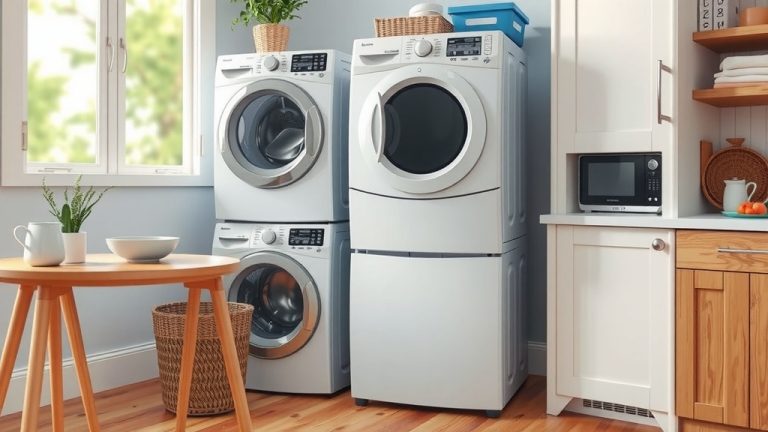
Front-load compact washers often have a sleek, modern look. They are typically more energy and water-efficient than their top-load counterparts. Many people prefer them because they tend to be gentler on clothes and offer better cleaning performance. You can also often stack a compact dryer on top of a front-load washer, which is a huge space-saver.
Compact Top-Load Washers
Compact top-load washers are also available and can be a good option if you prefer loading from the top. They can sometimes be a bit quicker for smaller loads and may be more affordable. The main difference is that you can’t stack a dryer on top of most top-load washers. We found that if you have back issues, the top-load design can be easier to use without bending over.

Where Do Small Washing Machines Fit Best?
The primary appeal of a small washing machine is its ability to fit into spaces where a full-sized one simply won’t go. You’ll often find these in:
- Apartments and Condos: Perfect for smaller kitchens, bathrooms, or laundry closets.
- Small Homes and Tiny Houses: Maximizing every square inch is key in these dwellings.
- RV’s and Mobile Homes: Essential for mobile living where space is extremely limited.
- Second Homes or Vacation Properties: Useful for smaller laundry needs or guest accommodations.
- Dorm Rooms: While less common, some small-capacity units can work for on-campus living.
Making the Right Choice for Your Space
Before you buy, it’s essential to measure your space thoroughly. Don’t forget to account for the door swing of the machine and any necessary connections. Think about your typical laundry load size. Are you washing for one, two, or a small family? We found that most people are well-served by a compact washer if they live alone or with a partner and don’t mind doing laundry a bit more frequently.
Consider these quick tips when choosing:
- Measure your available space (width, depth, height).
- Check door swing clearance, especially for front-loaders.
- Calculate your average load size.
- Think about energy and water efficiency.
- Decide if you prefer top-load or front-load.
Conclusion
You’ve learned that a small washing machine is typically around 24 inches wide, with capacities from 2.0 to 4.5 cubic feet. These compact units are ideal for apartments, smaller homes, or RVs where space is a premium. Whether you prefer a front-load or top-load design, there’s a compact option to suit your needs. Remember to measure your space carefully and consider your typical laundry load size.
Your next step is to take those measurements and start browsing models that fit your available space and lifestyle. You can find a great compact washer that makes laundry day easier.
Frequently Asked Questions
What is the exact width of a small washing machine?
A small washing machine is generally defined by its 24-inch width. This is the standard dimension that makes it fit into tighter spaces compared to larger, 27-inch wide models. Always double-check the specific model’s dimensions before purchasing.
Can a small washing machine handle a family’s laundry?
A small washing machine, typically with a capacity up to 4.5 cubic feet, can handle laundry for a small family. You might need to do laundry more frequently, as these machines hold less per load. They are best suited for couples or households with one or two children.
Are compact front-load washers better than top-load ones?
Compact front-load washers often offer better energy and water efficiency and are gentler on clothes. They also allow for stacking a dryer on top, saving more space. Top-load models can sometimes be quicker for small loads and easier to load without bending.
How much laundry can fit in a 2.0 cubic foot washing machine?
A 2.0 cubic foot washing machine is ideal for singles or couples and can typically wash about 5 to 7 pounds of laundry per load. This is usually enough for a few outfits, including shirts, pants, and socks.
Do small washing machines use less water and energy?
Many compact washing machines are designed with energy and water efficiency in mind to appeal to space-conscious consumers. While they use less water per load simply because of their smaller tub size, always check the Energy Star rating and manufacturer specifications for precise efficiency data.