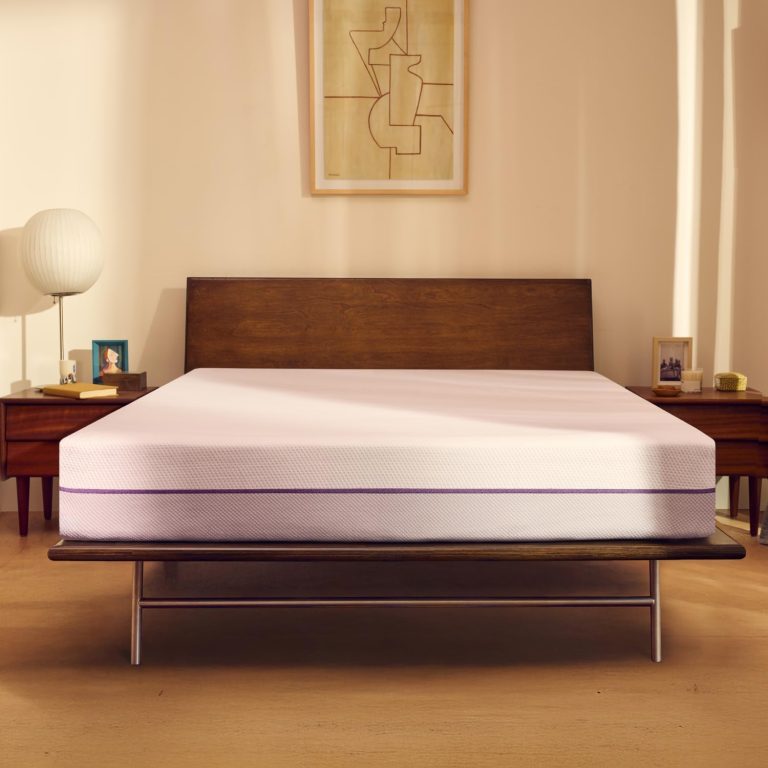
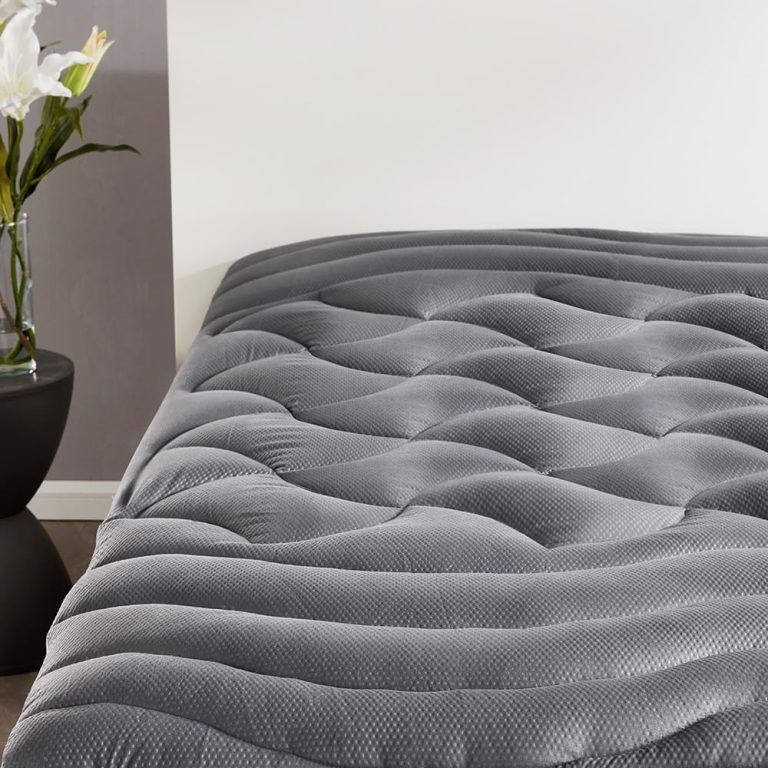
Are Bed in a Box Mattresses Good? Pros and Cons
Yes, bed-in-a-box mattresses are generally good for most people, but the real answer depends on your sleeping style and comfort needs. These mattresses are popular because they are convenient, affordable, and often come with long trial periods. The modern bed-in-a-box designs are made with quality materials that compete with traditional store-bought mattresses.
We found that many of today’s top-rated bed-in-a-box options are made from dense foam or hybrid coils. They are compressed, rolled, and shipped right to your door, which cuts out the middleman and saves you a lot of money. They also typically include risk-free sleep trials and generous warranties. The biggest difference is the feel—most are medium-firm, which works well for back and stomach sleepers.
- They are usually much cheaper than store-bought brands because shipping is efficient.
- Most come with a 100-night trial, so you can test it at home.
- You get a 10 to 15-year warranty on most models.
- They are best for back and stomach sleepers; side sleepers need a softer option.
- They are easy to set up, but you must wait a few hours for them to expand.
Below, we break down exactly who benefits from a bed-in-a-box, who might want to skip it, and how to pick the right one for your body. Let’s walk through the good, the bad, and the bouncy so you can sleep easy knowing you made the right call.
Are Mattresses That Come in a Box a Smart Buy?
Yes, for most people, mattresses that arrive in a box are a smart, budget-friendly buy. You skip the showroom pressure and the pushy salesperson. You also skip the inflated price tag that often covers retail overhead.
We found that the quality has gotten better over the last few years. What used to feel like a cheap foam slab now feels like a premium sleep surface. The secret is in the materials and the engineering of the compressed coils and foams.
Why the Price Is So Much Lower Than Store Brands
When you buy a mattress at a traditional store, you pay for a lot more than just the bed. You pay for the showroom rent, the sales staff commissions, and the delivery truck that brings it to your house. A bed-in-a-box cuts out almost all of that overhead.
The company packs the mattress into a vacuum-sealed roll. It ships through standard parcel carriers like UPS or FedEx. That simple change saves you hundreds of dollars. We found that many brands pass those savings directly to you.
The Real Cost of a Traditional Retail Mattress
Think about the last time you walked into a mattress store. You probably saw a showroom full of beds, but also a salesperson watching your every move. That experience has a markup.
- Retail markup can range from 40% to 60% on standard models.
- White-glove delivery services add a separate fee.
- Return restocking fees can eat into your refund.
- Older inventory often sits in warehouses for months.
Bed-in-a-box brands sell directly to you. They don’t have a middleman. This is the main reason you see queen mattresses for under $700 that feel like $1,500 beds.
The Technology Inside Modern Compressed Beds
You might wonder if a rolled-up bed can actually be supportive. The answer is yes, but only because of the specific foams and coils used. The key is that these mattresses use high-density foams that bounce back to their original shape.
When you unbox the mattress, it slowly expands to full size. This happens because the foam is “memory” or “reactive” material. It has a low compression set, which means it doesn’t stay squished. You just need to give it time to breathe.
Memory Foam Versus Hybrid Coils
Most bed-in-a-box options fall into two camps. We found that your choice depends on how you like to sleep.
| Feature | All-Foam Beds | Hybrid Coil Beds |
|---|---|---|
| Feel | Sinking, pressure-relieving | Supportive with slight bounce |
| Motion transfer | Low (good for couples) | Medium |
| Edge support | Weak | Stronger |
| Weight | Lighter, easier to move | Heavier, firmer base |
| Sleep surface | Cooler options exist | Better airflow through coils |
All-foam beds are great if you sleep alone and want that “hug” feeling. Hybrids are better if you share a bed or sit on the edge to get dressed.
Who Should Absolutely Skip a Bed-in-a-Box
These beds are not for everyone. We found that plus-size sleepers often need more support than a standard 10-inch foam bed can give. If you weigh over 230 pounds, you might sink too deep into a soft all-foam model.
Also, if you like an extremely firm mattress, you might struggle. Most boxed beds are medium-firm out of the box. That works for the average person, but it won’t satisfy someone who prefers a rock-hard surface.
Heavy Sleepers Need Hybrids
Research in sleep medicine suggests that heavier body weight requires more coil support (NCBI). A hybrid with thick, high-gauge coils will hold you up properly. We found that many brands now offer “plus size” or “firm” versions specifically for this need.
If you weigh over 250 pounds, look for a mattress with at least 1,000 coils in a queen size. Under 1,000 coils, you might feel the bottom of the bed through the foam.
Side Sleepers, Listen Up (You Need Softness)
Side sleeping puts pressure on your hips and shoulders. If the top layer of your mattress is too firm, you will wake up with a numb arm or a sore shoulder. We found that side sleepers need a plush comfort layer at least 3 inches thick.
Many bed-in-a-box brands default to medium-firm. That is often too hard for side sleepers under 150 pounds. If that’s you, look for models labeled “plush soft” or buy a separate memory foam topper.
How To Test Softness Without a Showroom
You can’t lie on the mattress before you buy it. But you can check the density of the top layer. A density of 3 pounds per cubic foot or higher means it will feel softer and last longer. A low-density layer, around 1.5 pounds, will feel firm and break down faster.
Also, read the reviews on a brand’s website. Look for comments from people who weigh the same as you. Their experience is a good proxy for how the bed will feel on your body.
The Right Way To Unbox Your New Mattress
Unboxing is a two-person job if you want to avoid frustration. The box is heavy, often 80 to 100 pounds. You don’t want to slide the mattress out alone on a hardwood floor and scratch it.
We found that the best method is to cut the plastic with scissors from the top. Let the mattress expand partially before pulling it fully out. Then, place it on your foundation and unwrap the rest.
The Off-Gassing Smell — What To Expect
Your new mattress will smell like a new car when you first open it. That is normal. The foam releases volatile organic compounds (VOCs) during the first 24 to 72 hours. It’s not dangerous, but it can be annoying.
To speed up the process, open a window and run a fan over the bed. Most of the smell disappears within a day. If you have asthma or chemical sensitivities, look for a mattress that is Greenguard Gold certified. That means it has lower levels of these emissions.
How Long Does a Boxed Mattress Actually Last?
We found that the lifespan depends entirely on the quality of the foam. Cheap low-density foam will start sagging after two years. High-density foam and heavy-duty coils will last 7 to 10 years without noticeable dips.
Check the warranty. Most boxed beds come with a 10 to 15-year warranty. That’s a good sign of manufacturer confidence. But read the fine print about what causes sagging. Many warranties require a bed frame with proper center support. A standard metal frame with slats spaced more than 3 inches apart can void the warranty.
The Checklist Before You Click “Buy”
Now that you know the basics, here’s a simple checklist to make your final choice easier. Use this when comparing models online.
- Check the trial period — look for at least 100 nights, not 30.
- Confirm the return policy — they should refund the full price, excluding shipping.
- Verify the warranty is at least 10 years long.
- Read reviews for people with your body weight and sleeping position.
- Look at the foam density — anything over 2.5 lb/ft³ in the base layer is good.
- Confirm you have a solid bed frame that meets the warranty requirements.
Follow this list, and you will not end up with a saggy regret. Your back will thank you, and your wallet will still have some cash left for good pillows.
We found that the majority of happy customers are the ones who did their homework on the dimensions and the firmness. They didn’t just buy the cheapest one on sale. They bought the right one for their sleep style.
Conclusion
Bed-in-a-box mattresses are a smart buy for most people. You get a quality bed at a fraction of the retail price, and the 100-night trial takes the risk out of your purchase. The key is to match the firmness to your sleeping position and body weight.
We found the technology inside these compressed beds has caught up to traditional stores. High-density foam and reinforced coils provide real support. Just remember to check the warranty requirements and give your mattress time to expand before you judge the feel.
Your next step is simple. Grab a tape measure, check your bed frame, and order a hybrid model with a plush top layer if you side sleep. Your back will thank you, and your wallet will stay happy.
Frequently Asked Questions
Are bed-in-a-box mattresses as good as ones from a store?
Yes, modern bed-in-a-box options use the same high-density foams and coil systems as retail stores. The main difference is the price, not the quality. You are skipping the showroom markup and paying for the materials instead.
Do you need a special bed frame for a mattress in a box?
No, you can use any solid foundation or slatted frame. Just make sure the slats are no more than 3 inches apart. A standard metal frame with center support works perfectly for most boxed mattresses.
How long should you wait before sleeping on a new boxed mattress?
You should wait at least 24 hours before your first night of sleep. The mattress needs time to fully expand to its intended shape and size. Sleeping on it too early can cause permanent weak spots in the foam layers.
Can you flip a bed-in-a-box mattress?
Most boxed mattresses are one-sided, so you should not flip them. The comfort layers are on top, and the dense support core is on the bottom. Rotating it 180 degrees every few months is a better way to even out wear.
What is the downside of a bed-in-a-box mattress?
The main downside is the initial off-gassing smell. Some people also find all-foam models sleep warm. Heavy sleepers may need a hybrid version with coils for proper support, which costs a bit more than the basic foam options.