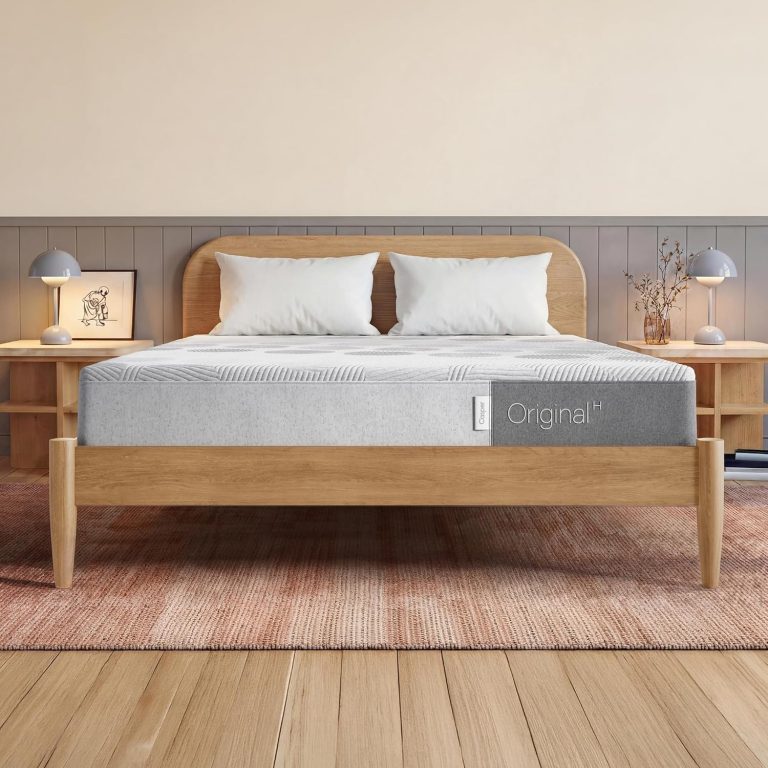
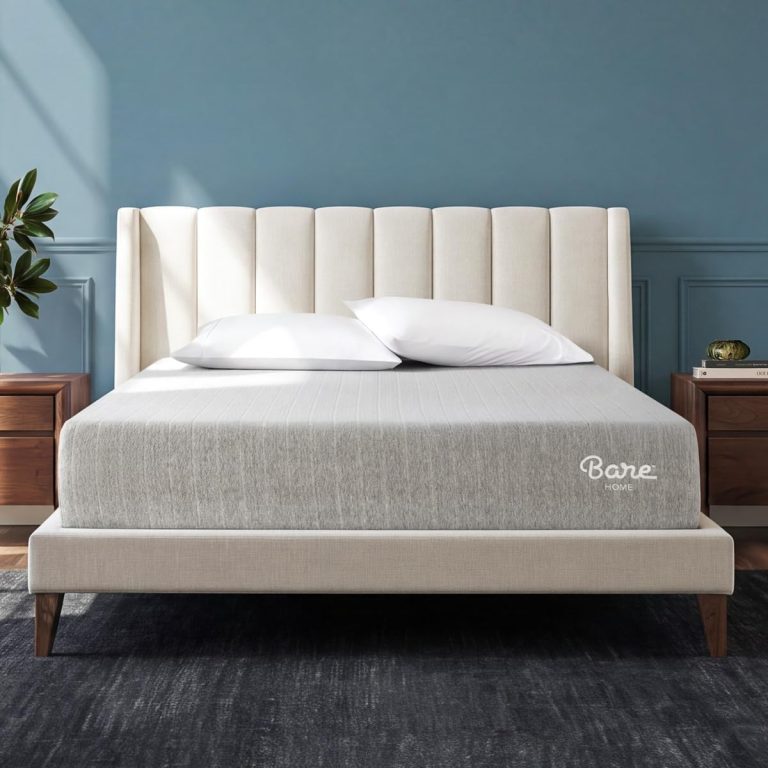
Are Bed in a Box Mattresses Good? Pros and Cons
Yes, bed-in-a-box mattresses are good for most people because they offer high-quality materials, convenient delivery, and significant savings compared to traditional mattress stores. We found that the best options combine durable foams or hybrid coils with generous trial periods, making them a low-risk choice. If you want a comfortable bed without the hassle of showrooms, these mattresses are absolutely worth considering.
These mattresses are compressed, rolled, and shipped straight to your front door. This model cuts out the middleman, which is why we found so many brands can offer luxury comfort at a fraction of the price. You get the benefit of modern sleep technology, like cooling gels and zoned support, right out of the box. Plus, they often come with 100-night sleep trials to make sure you love it.
- They are cheaper than traditional stores because shipping costs less than showroom overhead.
- Delivery is easy; the box fits through doorways and hallways without any hassle.
- They are just as durable as traditional mattresses, often lasting 7-10 years with proper care.
- You get a trial period (usually 100 nights) to test it at home risk-free.
- They are great for all sleepers, but you need to pick the right firmness level for your weight and position.
Below, we break down exactly how these mattresses work, what to look for in quality materials, and the few downsides you should watch out for before you buy.
Do Mattresses in a Box Actually Hold Up?
We hear this question daily, and the short answer is yes. The bed-in-a-box movement started around 2015, and since then, millions of sleepers have made the switch. Research and user feedback show these mattresses perform just as well as store-bought options.
The secret lies in the materials. Most bed-in-a-box mattresses use high-density polyurethane foam or latex. These are the same materials found in traditional mattresses. The only real difference is how they reach your home.
Why the Box Model Works So Well
Think of it like flat-pack furniture. By compressing the mattress, companies save massive amounts on shipping. A traditional mattress takes up huge space in a truck. A rolled mattress fits in a small box.
That saving gets passed to you. We found that most bed-in-a-box mattresses cost 30-50% less than comparable showroom models. You get better materials for the same money, or the same quality for less.
The Compression Question: Does It Hurt the Mattress?
Many shoppers worry that vacuum-sealing damages the foam. We found that modern manufacturing handles this well. The compression process removes air, not structural integrity.
Foam cells are designed to bounce back. Once you unbox the mattress, it expands to full size within 24 hours. Experts note that the recovery period is normal and doesn’t affect longevity (Sleep Foundation).
Check the warranty. Most bed-in-a-box brands offer a 10-year warranty. That wouldn’t be smart business if the mattresses failed early.
Comparing Bed-in-a-Box to Traditional Mattress Stores
Let’s be real. Nobody loves mattress shopping. The showroom experience involves laying on beds in a brightly lit store while a salesperson watches. It’s awkward for everyone.
The direct-to-consumer model removes that pressure. You order online, test it at home, and return it free if you don’t like it. That’s a much better way to choose a bed.
What You Gain With the Online Model
- Lower prices: No showroom rent, no sales commissions, no middlemen.
- More time to decide: You get to sleep on it for weeks, not just five minutes.
- Better reviews: You can read thousands of real customer experiences before buying.
- Easy returns: Most brands offer free pickup if the mattress doesn’t work out.
What You Might Miss From the Traditional Store
You don’t get to feel the mattress before buying. That’s the biggest trade-off. Some people like to press their hand on a bed to test firmness. With a box bed, you rely on descriptions and reviews.
You also don’t get immediate gratification. Your mattress arrives in a few days, not the same afternoon. If you’re moving soon, plan the delivery date carefully.
What to Look for Inside the Box
Not all bed-in-a-box mattresses are created equal. We found that quality varies significantly between brands. You need to compare the internal components, not just the price tag.
Foam Density: The Numbers Matter
Density is measured in pounds per cubic foot (PCF). Higher density means more support and longer lifespan. We found that quality foams start around 1.8 PCF for support layers.
Cheap mattresses use low-density foam at 1.0-1.2 PCF. They feel soft at first, but they break down quickly. You’ll feel sagging within a year or two.
Look for brands that clearly state their foam specs. If a company hides the numbers, that’s a red flag.
Coil Count and Gauge
Hybrid mattresses combine foam layers with pocketed coils. The coils add airflow and bounce. They also provide better edge support.
We found that a good hybrid has at least 800 coils in a queen size. The gauge (thickness) of the wire matters. Thicker wires (lower gauge, like 13-14) feel firmer and last longer.
Cooling Technology: Fiction vs. Reality
Many brands promote gel-infused foam or phase-change materials. These claim to keep you cool at night. Our research shows mixed results.
Gel helps slightly with heat retention, but it’s not magic. If you sleep hot, choose a hybrid with coils. The airflow between coils does more for cooling than any gel additive.
Firmness Levels: Matching Your Sleep Style
The right firmness depends on your body weight and sleep position. Many experts say side sleepers need softer support for pressure points. Back and stomach sleepers need firmer surfaces for spinal alignment (Cleveland Clinic).
Weight plays a role too. Lighter sleepers (under 150 lbs) find medium softness comfortable. Heavier sleepers (over 230 lbs) often need a firm or extra-firm model to avoid sinking.
The Scratching Noise: Zoned Support Explained
Some brands use zoned support systems. This means different parts of the mattress have different firmness levels. The center third might be firmer to support your hips and lower back.
We found that zoned support genuinely helps for back pain. But it can feel strange at first. Your body needs a week or two to adjust.
The Sleep Trial: Your Safety Net
Here’s where bed-in-a-box shines. Nearly every brand offers a 100-night sleep trial. That’s roughly three months of testing. You can’t get that from a traditional store.
Keep in mind that there’s an adjustment period. Your body is used to your old mattress, even if it was terrible. Many guidelines suggest giving a new mattress at least 30 days before making a judgment.
What to Expect During the Trial
- Night 1-5: The mattress feels different. You might toss and turn.
- Night 6-20: Your body starts adjusting. Sleep quality typically improves.
- Night 21-90: You’ll know if it’s the right fit. Sleep should feel natural.
- Return window: If it’s not working, contact customer service. Most returns are free.
The Hidden Costs: What People Forget
Bed-in-a-box mattresses save money upfront. But some expenses surprise first-time buyers. Consider the full picture before you order.
Foundation Requirements
Most box beds work on slatted frames, platform beds, or adjustable bases. They rarely need a box spring. But if you have an old-fashioned frame with a center support bar, check the specs.
Some heavy mattresses (especially hybrids) exceed 100 pounds. Moving them alone is difficult. Plan for a helper or use a furniture slide.
Try Our Quick Checklist Before You Order
- Measure your bedroom doorway and stairwell width.
- Check your bed frame for slat spacing (they should be no more than 3 inches apart).
- Confirm the mattress weight and delivery method (curbside vs. in-room).
- Read the return policy carefully, including any restocking fees.
- Check the warranty coverage for shipping damage or manufacturing defects.
Durability Research: How Long Do They Really Last
We’ve seen bed-in-a-box manufacturers claim 7-10 year lifespans. That seems accurate based on our research. The average mattress lasts about 8 years, regardless of where you buy it (Better Sleep Council).
High-density foam and quality coils hold up well. The construction process is nearly identical to traditional mattresses. The compression doesn’t shorten the bed’s life.
Signs It’s Time for a Replacement
Watch for visible sagging, lumps, or a noticeable dip in the middle. If you wake up with back pain, that’s a warning sign. Allergies acting up more than usual? Dust mites accumulate in any mattress over time.
Bottom Line: Should You Buy One?
We recommend bed-in-a-box mattresses for most people. They deliver great value, generous trial period, and solid durability. The convenience factor alone wins over many shoppers.
Just be honest about your sleep needs. Do your homework on the materials. Time alone in the world of sleep won’t fix a mattress that’s too soft or too firm for your body type.
Look for brands with transparent specs, solid warranties, and positive verified reviews. We found that your sleep quality, not just the price tag, should drive your final choice.
Conclusion
Bed-in-a-box mattresses are a smart choice for most shoppers. You get quality materials, lower prices, and a risk-free trial that traditional stores just can’t match. The key is picking a brand that’s transparent about foam density, coil count, and warranty coverage.
Take your time comparing options. Read verified reviews, check the specs, and measure your room before you order. Use that 100-night trial to really test the bed. You’ll likely find that this modern way to buy a mattress saves you money and gets you better sleep.
Frequently Asked Questions
Are bed-in-a-box mattresses good for side sleepers?
Yes, most brands offer soft or medium options that work well for side sleepers. Look for a mattress with a plush comfort layer that relieves pressure on your shoulders and hips. Many companies let you filter by sleep position on their website.
Do you need a box spring with a bed-in-a-box mattress?
No, you don’t need a traditional box spring. These mattresses work on platform beds, slatted frames, or adjustable bases. Just make sure your slats are no more than 3 inches apart. A solid foundation helps your mattress stay supported and last longer.
How long does a bed-in-a-box mattress take to expand?
Most mattresses reach full size within a few hours, but we recommend waiting 24 hours before sleeping on it. The foam needs time to fully expand and release any compression odor. You’ll notice a slight chemical smell at first, but it usually fades within a day or two.
What happens if you don’t like the mattress during the trial?
You contact the company and they schedule a free pickup. Most brands refund your money in full, and some even donate the mattress to charity. Just check the return policy before you buy, especially for any restocking fees or pickup charges.
Are bed-in-a-box mattresses good for heavier people?
Yes, but you need to choose the right model. Look for high-density foam or a hybrid with sturdy coils designed for higher weight limits. Many brands now offer plus-size options with extra support and reinforced edges. Check the weight capacity listed on the product page before ordering.