Are Ortho Mattresses Good? Pros and Cons for 2026
Yes, ortho mattresses are good for many people because they offer firm support that helps keep your spine aligned while you sleep. They are not a medical device, but we found that they work well if you have back pain, sleep on your back, or just prefer a harder surface. That said, they are not a magic fix, and they are not right for everyone.
We dug into what makes these beds different from standard ones, how they feel, and who actually benefits from them. Many experts say the main draw is the firm, supportive core that stops your hips and shoulders from sinking too deep. This can reduce pressure points and help you wake up with less stiffness, which is why they are a popular choice for sleepers looking for extra support.
- The short answer: Yes, ortho mattresses are good for back and stomach sleepers who need firm support.
- They are not medical: They don’t cure back pain, but they can help prevent poor posture and discomfort.
- Feel matters: They are much firmer than regular plush beds, so they take some getting used to.
- Not for side sleepers: If you sleep on your side, the firm surface can hurt your hips and shoulders.
- Good value option: Many ortho beds are made with sturdy materials that last a long time without a luxury price tag.
Below, we break down everything you need to know about ortho mattresses, so you can decide if one deserves a spot in your bedroom.
Why People Choose an Orthopedic Mattress
You might wonder if an ortho bed is just a marketing trick. We found that is not the case. These mattresses are built with a clear goal in mind. That goal is to give your body a stable, flat surface. This stops your spine from bending into awkward shapes overnight.
Most standard beds let your hips sink down a few inches. That sinking motion can pull your lower back out of line. An ortho mattress uses a firmer foam or spring core to keep you level. It feels like a firm handshake instead of a loose hug. For many, that firm feel is just what they need.
What Makes an Ortho Mattress Different
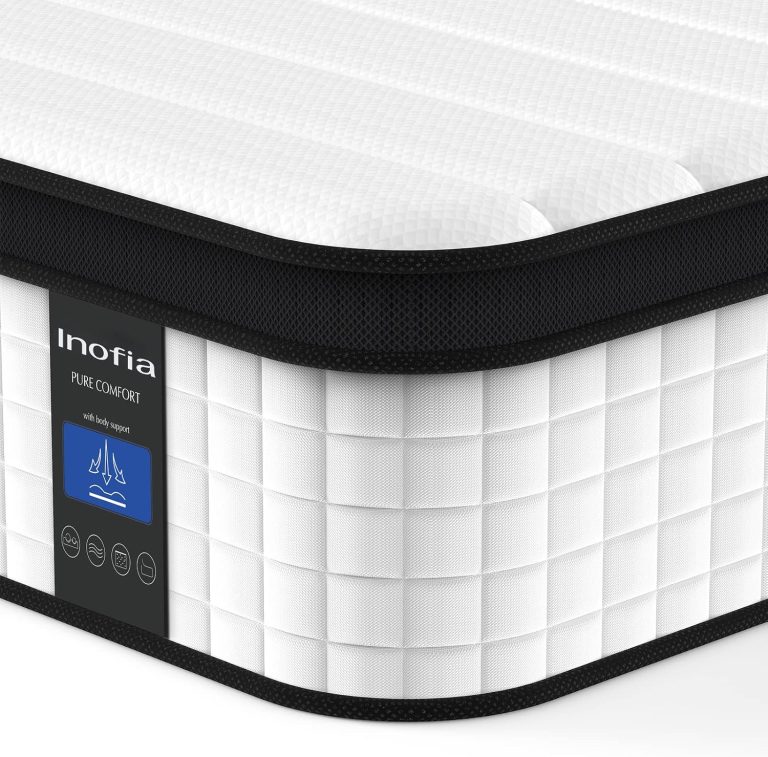
The secret sits inside the mattress layers. Ortho beds often use high-density foam that does not compress easily. Some models use pocket springs that push back with extra force. The top comfort layer is thin. This means you rest on top of the bed, not inside it.
Think about sleeping on the floor with a yoga mat. That is the extreme version. An ortho mattress is softer than that, but not by a huge margin. You get support with a little bit of padding for pressure relief.
The Firmness Factor
Most ortho mattresses rate between a 7 and an 8 on the 10-point firmness scale. At that level, your body barely sinks at all. Your hips and shoulders stay at the same height as your head. That alignment is the key to reducing morning aches.
Many experts say that a medium-firm to firm sleep surface can help with lower back pain. Research from the National Institutes of Health found that people with chronic back pain often report better sleep on firmer beds. That does not mean you need a rock-hard slab. It just means you need enough pushback to keep your posture neutral.
Who Gets the Most Benefit From Firm Support
Some sleepers will love an ortho mattress from the first night. Others will wake up sore. We found that your sleeping position is the biggest factor. Your go-to position decides whether this bed works for you.
Back sleepers are the clear winners here. With a firm surface, your lower back gets even support. There is no sagging in the middle. Your head and feet line up at the same level. This takes pressure off your lumbar discs.
Back and Stomach Sleepers
Stomach sleepers also do well on ortho beds. When you lie face down, your midsection wants to sink into the mattress. On a soft bed, that sank deeper. That creates a hammock curve in your spine. A firm surface keeps your hips level with your shoulders.
We found that heavier sleepers benefit too. Your body weight pushes down harder. A standard mattress might not support that weight well. Ortho beds are built to hold up bigger frames without sagging in the middle.
If You Sleep on Your Side
Side sleepers should be careful. Your hips and shoulders are the widest parts of your body. On a firm surface, they press into the mattress with a lot of force. That creates pressure points. You might feel numbness or pain in your shoulder overnight.
If you are a side sleeper and still want an ortho feel, look for a plush top layer. Some models add a softer quilted cover. That helps a little bit. But a true ortho bed is not the best choice for pure side sleeping.
The Real Impact on Back Pain Relief
Here is the honest truth. An ortho mattress is not a cure for back problems. We found that it works best as a preventative tool. If your spine stays aligned at night, you avoid waking up stiff. That is different from treating an existing injury.
Spinal alignment matters for sleep quality. Think about a straight line from your ears down to your ankles. When the surface keeps that line straight, your muscles can relax fully. They do not have to work to correct a curved position.
Many guidelines from the Cleveland Clinic point to firm support as a useful tool for managing minor back pain. That is because muscle tension drops when your sleep surface is stable. You stay in one position longer without tossing and turning.
What Firm Support Does to Your Sleep Cycle
You might not realize how much your mattress affects your sleep quality. When you sink into a soft bed, you shift positions more often. Each shift wakes your brain a little. That breaks your deep sleep stages. Ortho beds keep you stable, so you move less.
We found that fewer movements mean fewer wake-ups. Your body stays in the restorative stages of sleep for longer. That can boost your energy the next day. You wake up feeling like you actually rested.
Understanding Pressure Points
Pressure points form where your body pushes hardest into the bed. For side sleepers, those spots are the hip and shoulder. For back sleepers, it is the lower back. A firm mattress spreads your weight over a wider area. That reduces the squeeze effect on any single spot.
However, firm does not mean pressure-free. Some sleepers find ortho beds too hard on bony areas. If you are very thin, you might feel like you are lying on a wooden board. That is why mattress companies add different comfort layers to soften the top.
Comparing Ortho Beds to Standard Memory Foam
Memory foam and ortho beds have opposite personalities. Memory foam hugs you. Ortho beds push back. They are built for different needs. We put together a quick breakdown so you can see the difference at a glance.
| Feature | Ortho Mattress | Standard Memory Foam |
|---|---|---|
| Firmness level | Firm (7-8 out of 10) | Soft to medium (3-6 out of 10) |
| Body sinking | Minimal sinkage | Deep body contouring |
| Spinal alignment | Excellent for back and stomach sleepers | Good for side sleepers |
| Motion isolation | Good, especially with pocket springs | Excellent |
| Best for people with | Back pain, posture issues | Joint pain in hips and shoulders |
| Durability | Very durable with high-density foam | Prone to sagging after 5-7 years |
| Getting in and out | Easy, no sinking feel | Requires more effort to move |
Motion isolation matters if you share a bed. Ortho mattresses with pocket springs handle movements well. Your partner rolling over will not wake you. Solids foam ortho beds also do a solid job here. Standard memory foam is still the king for this feature, but ortho beds are close behind.
Durability and Material Quality
You get what you pay for with mattresses. We found that ortho beds tend to last longer than cheap memory foam options. That is because the materials inside are denser. High-density foam holds its shape for years. Pocket springs stay firm without snapping.
A big issue with soft mattresses is body impressions. You get a body-shaped dent after a year or two. Ortho beds resist that because the foam is compressed tight. They may lose a slight amount of firmness over time, but they keep their support level.
The Transfer Issue in Cheap Beds
Some cheap ortho mattresses just use a hard foam block. That foam can feel like concrete. It also traps heat. You wake up sweaty and stiff. Mid-range ortho models solve this by adding gel or breathable layers. Those keep the support but improve airflow.
When you shop, look for a coil count or foam density rating. Higher numbers mean better materials. We found that the extra cost is worth it. A quality ortho bed can last 10 to 15 years. That is triple the lifespan of a budget foam mattress.
Edge Support Benefits
Ortho beds have another quiet advantage. The edges are reinforced. You can sit on the side of the bed without sliding off. That makes getting out of bed easier for older adults. It also gives you more usable sleeping surface because the edge does not collapse.
Sitting on the edge to tie your shoes happens often. A weak edge rolls you toward the floor. Ortho mattresses hold firm along the perimeter. That small feature makes daily life a bit easier.
Things to Know Before You Buy an Ortho Mattress
Buying any mattress is a personal decision. We can give you research, but only you know how your body feels. There are a few quick checks to do before you commit to this firmer style.
First, think about your partner. If they sleep on their side, they might hate the firm surface. You can buy a split firmness model, but those cost more. Second, consider your weight. Lighter people feel firm beds as extra hard. Heavier people feel them as perfect support.
Test It in Real Conditions
Always lie on an ortho mattress in the store for at least 10 minutes. Not 30 seconds. Your body needs time to adjust to the surface. Spend 5 minutes on your back and 5 on your side. Your shoulder will tell you right away if it is too hard.
Many online brands offer trial periods of 100 nights. Use that time. If you wake up with new aches, send it back. Most companies do free returns, so there is little risk in testing one at home.
Consider This Checklist Before Committing
We built this quick checklist to help you decide. Answer each item honestly. If you check most of the boxes, an ortho mattress could be a great match for you.
- You sleep on your back or stomach most nights
- You feel like your current bed sags in the middle
- You wake up with lower back stiffness
- You prefer a firm, stable sleeping surface
- You want a bed that holds its shape for a decade
- You weigh more than 180 pounds
If you checked fewer than three boxes, a softer bed might serve you better. It is okay to love soft surfaces. Your comfort is the final deciding factor, not any label on the box.
Budget Considerations and Value
Ortho mattresses often cost less than premium memory foam. That is because they use simpler materials. Fewer fancy layers mean lower prices. You can find a quality ortho queen size for around 400 to 700 dollars. That is a steal compared to some luxury foam beds that cost double.
Remember, the lower price does not mean lower quality. The materials are dense and built to last. We found that ortho beds give you more support per dollar. You skip the plush comfort layers that compress over time. The money goes into the supportive core, which is what actually matters for your back.
Conclusion
So, are ortho mattresses good? For back and stomach sleepers who want firm support, the answer is usually yes. We found they help keep your spine aligned, reduce tossing and turning, and hold up for years without sagging. They are not a cure for back pain, but they can prevent morning stiffness and improve your sleep quality.
Your sleeping position matters most. If you sleep on your side or love a plush feel, skip the ortho style. If you wake up with a sore lower back or your current bed feels like a hammock, give an ortho mattress a real try. Take advantage of a 100-night home trial. Sleep on it for a few weeks and let your body tell you the truth. That is the best test you can run.
Frequently Asked Questions
Can an ortho mattress make back pain worse?
Yes, it can in some cases. If you are a side sleeper, the firm surface can create pressure points in your hips and shoulders. That pressure can make existing joint pain worse. If you feel new aches after a week on an ortho bed, return it and try a medium-firm option instead.
What is the difference between an ortho mattress and a regular firm mattress?
They are very similar, but ortho mattresses use higher-density foam or stronger coils. The materials are built to hold their shape for a decade or more. A regular firm mattress might soften up after a few years. An ortho bed resists body impressions and keeps its support level much longer.
Do ortho mattresses need a special box spring or base?
You do not need anything special, but a solid base helps. A slatted frame with slats no more than 3 inches apart works great. A box spring with a flat top is fine too. Just avoid using an old, worn-out foundation that sags in the middle. That will undo all the support the mattress provides.
How long does it take to get used to an ortho mattress?
Most people need about two to three weeks to adjust. Your body is used to sinking into a softer surface. The firm feel can seem too hard at first. Give it time. If you still feel uncomfortable after 30 nights, that is a sign this style is not right for you.
Are ortho mattresses good for heavier people?
Yes, they are often the best choice. Heavier sleepers press deeper into soft foam, which causes sagging and poor alignment. Ortho beds use dense foam and strong springs that support extra weight without collapsing. They also last longer for bigger frames because the materials resist breakdown.