Are Pillowtop Mattresses Good? Pros and Cons
Yes, pillowtop mattresses are good if you want a soft, cloud-like surface that cushions pressure points. They are especially helpful for side sleepers and people with joint pain. However, they are not the best choice for stomach sleepers or heavier individuals who need more support.
These mattresses have an extra cushioned layer sewn into the top. This makes them feel plush right away, which is why so many people fall in love with them in the showroom. We found that the key is understanding the trade-off: you get incredible comfort on top, but you might sacrifice the deep, firm support your spine needs to stay aligned.
- Great for side sleepers: The soft padding relieves pressure on your hips and shoulders.
- Not for stomach sleepers: Your hips can sink too deep, causing back pain.
- Only a temporary fix: The pillow top tends to flatten out and lose its plush feel after 3-5 years.
- Higher maintenance: You can’t flip these mattresses, and they hold onto more body heat.
- Best match: Lightweight to average-sized people who love a soft, cozy feel.
Below, we break down all the pros and cons, who should buy one, and how a pillowtop compares to other mattress types. Let’s figure out if this soft surface is truly the right fit for your bedroom.
What Makes a Pillowtop Mattress Different
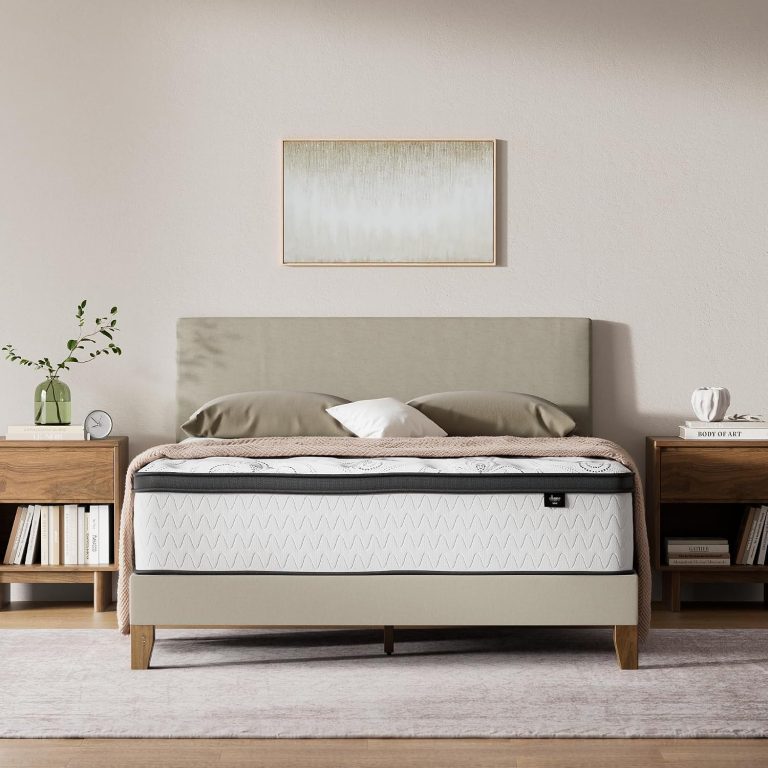
You already know the pillowtop feels soft. But what actually makes it different under the covers? The extra padding is either sewn directly onto the top layer or attached with a small gap. That padding is usually memory foam, latex, or fiberfill. The rest of the mattress beneath it stays the same as a standard model. So you get this split personality: a plush top sitting on a firmer base.
We found that this design is what gives you the “sleeping on a cloud” feeling from day one. There is no break-in period like you might get with a firm mattress. You lay down, and it hugs you instantly. That immediate comfort is a big reason why people test them in stores and fall hard.
The Construction: Sewn-On vs. Loose Layers
There are two main ways pillowtops are built. The first is a true pillowtop where the padding is sewn directly to the mattress cover. You won’t feel a seam or gap between the layers. The second style looks like a pillowtop but has a visible gap between the mattress edge and the cushioned layer. Both feel soft, but the construction affects how they wear over time.
Many experts say a sewn-on pillowtop is lower maintenance. Loose pillowtops can shift slightly and sometimes trap dirt in the gap. Either way, you’re dealing with a surface that you cannot flip. That means all that plush padding takes the brunt of your body weight every single night.
The Feel: Plush Comfort You Feel Instantly
Pillowtops are famous for that immediate sink-in feeling. The top layer cradles your hips and shoulders. It feels like the mattress is molding to your shape. This is fantastic for your first night and for anyone who hates the hard feel of a standard innerspring. Your body gets a softer landing, and pressure points feel relieved.
You might think more padding means better support. But that is not always true. The support comes from the layers underneath. The pillowtop is just the “topper” that changes how the surface feels. If the base layers are too soft, you sink too deep. That can throw your spine out of alignment.
Are Pillowtop Mattresses Worth It for Your Sleep Style
The short answer is: it depends on how you sleep. Your sleeping position is the biggest factor in whether a pillowtop will help or hurt you. We looked at the most common positions and found a clear pattern. Side sleepers tend to love them. Stomach sleepers often wake up with back pain.
Your body weight matters just as much. Lighter individuals get the cushioning without sinking too far. Heavier individuals might press straight through that plush layer and hit the firm base, losing the soft feeling. You need to match the mattress to your body, not just your preference for softness.
Side Sleepers: The Best Match for Pillowtops
If you sleep on your side, your hips and shoulders need extra cushioning. These areas press hard into the mattress all night. A pillowtop provides that pressure relief. Your joints stay aligned because the soft layer fills the spaces under your curves. Many guidelines point to pressure relief as a key factor for side sleepers (Mayo Clinic).
We found that a medium-firm pillowtop works best for side sleepers. You get enough give to protect your shoulder, but the base keeps your spine straight. If you are a side sleeper who tosses and turns, the soft top also helps reduce motion transfer. Your partner won’t feel every roll.
Stomach Sleepers: The Worst Match for Pillowtops
Here is the honest truth: stomach sleepers should likely skip the pillowtop. When you sleep on your stomach, your hips are the heaviest part of your body. They sink into the soft top. This causes your spine to bow downward. That arch puts stress on your lower back and can lead to morning stiffness.
You need a firmer surface to keep your hips level with your shoulders. A pillowtop works against that. If you are a stomach sleeper and already own a pillowtop, try placing a firm pillow under your hips. It helps, but it does not fix the core issue. Your best bet is a firm mattress that does not let your midsection sink.
Back Sleepers: Somewhere in the Middle
Back sleepers can go either way. The right pillowtop gives you a slight hug without too much sink. Your spine stays in a neutral position because the padding evens out your body weight. But if the pillowtop is too soft, your lower back dips down. That causes the same arch problem as stomach sleeping.
We found that back sleepers should choose a firmer pillowtop. Look for one with a supportive base layer. Avoid the super-plush options that let your hips sink. If you weigh over 200 pounds, you might be better off without a pillowtop entirely. Your weight will compress the padding too much.
The Pros of Sleeping on a Pillowtop
There is a reason pillowtops are so popular. The comfort factor is off the charts. They feel like a luxury hotel bed from the moment you lie down. You do not need to break them in. That soft surface is forgiving for your joints, especially if you have arthritis or old injuries.
We also found that pillowtops can be a great choice for couples. The top layer absorbs motion. One partner getting up at 3 AM will not disturb the other. And if you like a soft bed but your partner prefers a firmer one, a pillowtop can be a compromise that both of you find bearable.
Instant Pressure Relief
Your hips and shoulders bear the brunt of your body weight while you sleep. On a hard mattress, that creates pressure points. Over time, those points can cause numbness or tingling. The soft pillowtop layer redistributes your weight over a larger surface area. This takes the pressure off those sensitive spots.
Many experts say pressure relief is one of the most important factors in avoiding night-time tossing. If you wake up with numb arms or sore hips, a pillowtop might solve that. Just remember that the relief depends on the thickness of the padding. A thin pillowtop won’t do much for a heavier sleeper.
Motion Isolation for Couples
Sharing a bed with a restless partner is tough. Every move they make sends a wave across a standard innerspring. A pillowtop dampens those waves because the top layer absorbs the movement. You can sleep through your partner’s midnight bathroom trip without waking up.
We found that pillowtops with memory foam layers do the best job of isolating motion. They mold to your body and soak up movement. This makes them a solid option for couples with different sleep schedules. You both get a better night’s rest without having to buy two separate mattresses.
The Cons of Owning a Pillowtop
Of course, there are downsides. The biggest one is longevity. A pillowtop is a soft layer on top of a mattress. That layer gets compressed every night. Over time, it breaks down. Many owners report the pillowtop flattens out after 3 to 5 years. You are left with a mattress that no longer feels plush. Instead, you get a lumpy, uneven surface.
Another issue is heat. The thick padding traps body heat. If you already sleep hot, a pillowtop can make it worse. Memory foam pillowtops are especially prone to heat retention. You might wake up sweating in the middle of the night.
The Durability Problem: 3 to 5 Years of Comfort
You are essentially paying a premium for a comfort layer that will not last. The rest of the mattress may hold up for 10 years, but the pillowtop will not. Once that layer compresses, you feel the hard coils or base foam underneath. That creates pressure points you never had before.
Research on mattress longevity shows that soft layers degrade faster than firm ones. The constant pressure of your body wears down the foam over time (Sleep Foundation). We found that this is why many owners end up buying a mattress topper as a replacement. That defeats the purpose of paying extra for the built-in pillowtop.
Heat Retention and Maintenance Issues
Pillowtops sleep hot, plain and simple. The extra foam layers reduce airflow. Your body heat gets trapped right against your skin. If you are a hot sleeper, this can ruin your night. You might need to buy a cooling mattress pad to help. Some modern pillowtops include cooling gel, but those cost even more.
You also cannot flip a pillowtop mattress. That means you wear down one side only. The recommended solution is to rotate it head-to-toe every few months. But that only slows the wear. You will still see the impression of your body forming over time.
How a Pillowtop Compares to Other Mattress Types
Pillowtops are not the only soft option on the market. You should know how they stack up against other popular choices. This way, you can pick the right one for your needs and budget. We compared the four most common types below.
| Mattress Type | Feel | Best For | Average Lifespan |
|---|---|---|---|
| Pillowtop | Plush, cloud-like, sinks | Side sleepers, light to average weight | 5 to 7 years |
| Euro Top | Plush but flush with edge | Same as pillowtop but more durable | 6 to 8 years |
| Standard Innerspring | Firm, bouncy, breathable | Stomach sleepers, hot sleepers | 7 to 10 years |
| All-Foam | Contouring, dense, quiet | Back sleepers, couples | 6 to 8 years |
We found that the euro top is the closest competitor to a pillowtop. It has the same plush feel but the padding is sewn flush with the mattress edge. This makes it slightly more durable. If you want the soft feel but are worried about durability, a euro top might be your smart pick.
Pillowtop vs. Euro Top
The difference comes down to the seam. A pillowtop has a visible, puffy edge that hangs slightly over the mattress sides. A euro top is sewn flush so the edge is smooth. That small design change makes the euro top more durable. There is less material sticking out to sag or stretch.
Both feel very similar when you lie down. They both offer that plush, cushioned surface. But if you want the mattress to last, the euro top wins. We suggest trying both in a store. You might not notice the difference while lying down, but your back will thank you years later.
Pillowtop vs. All-Foam
All-foam mattresses are usually firmer and denser than pillowtops. They contour to your body but do not have that extra sewn-on padding. The support comes from the foam layers themselves. This makes all-foam mattresses better for back and stomach sleepers who need more structure.
All-foam also has better motion isolation. Once you sink in, you stay put. But all-foam sleeps hotter than most pillowtops unless you look for a specialized cooling model. If you want the soft hug of a pillowtop but need more support, an all-foam mattress with a thick comfort layer is a good alternative.
Who Should Buy a Pillowtop Mattress
Let’s be real about who this mattress is for. If you are a side sleeper who weighs under 200 pounds, this is likely your match. The soft padding cradles your curves and keeps your joints happy. You will enjoy that cloud-like sensation every night. This is also a good pick if you have fibromyalgia or frequent joint aches.
If you sleep on your back with a relatively low body weight, a firm pillowtop can work too. Just avoid the extra-soft versions. The key is finding one where the base layers provide enough push-back so you don’t sink too deep. A medium-firm feel is your sweet spot.
People with Chronic Pain
Many people with back or hip pain gravitate toward pillowtops. The pressure relief is genuine. Studies show that medium-firm mattresses that relieve pressure can reduce back discomfort (National Institutes of Health). But the support level matters more than the softness. A pillowtop with a strong, supportive core is the right mix.
We found that people with shoulder pain get the biggest benefit. The soft top lets your shoulder sink in slightly, keeping your neck aligned.
Conclusion
So, are pillowtop mattresses good? The honest answer is: they are fantastic for the right sleeper. You get that cloud-like comfort and pressure relief that side sleepers and people with joint pain crave. But that plush feel comes with real trade-offs. The padding flattens out after a few years, and the mattress can trap heat.
Your best move is to match the mattress to your sleep position and body type. Side sleeper under 200 pounds? A pillowtop is a great fit. Stomach sleeper or heavier build? You will likely do better with a firmer option like a euro top or standard innerspring. Try a few in person, and pay attention to how your spine feels, not just how soft the top is. Choose what keeps you aligned, and you will sleep better for years to come.
Frequently Asked Questions
Can I flip a pillowtop mattress to make it last longer?
No, you cannot flip a pillowtop mattress. It has a soft comfort layer on only one side, and the base is not meant for sleeping on. You can rotate it head-to-toe every few months to help distribute wear more evenly. That helps, but it will not stop the pillowtop from flattening over time.
Do pillowtop mattresses sag quicker than regular mattresses?
Yes, pillowtops tend to sag or develop body impressions faster than standard mattresses. The extra soft padding compresses under your weight every night. Most pillowtops show noticeable wear within 3 to 5 years. The base may still hold up, but the plush top often loses its bounce and support.
Is a pillowtop mattress good for a child or teenager?
A pillowtop can work for a child, but you should choose a firmer version. Kids and teens are still developing, and they need proper spinal support. A soft pillowtop may let their hips sink too deep. We suggest picking a medium-firm option with a supportive base for growing bodies.
Can I add a mattress topper to make my current bed feel like a pillowtop?
You can add a thick mattress topper to mimic the soft feel of a pillowtop. A 2 to 3 inch memory foam or feather topper will give you that plush cushioning. Keep in mind it will not be sewn in like a real pillowtop. You may need to adjust the topper occasionally, and it can shift under your sheets.
Are pillowtop mattresses too soft for heavier people?
Often, yes. If you weigh over 200 pounds, you will likely press through the plush pillowtop layer. That means you hit the firmer base underneath and lose the soft feeling. You may also create deeper body impressions over time. A firmer mattress with a thinner comfort layer usually serves heavier sleepers better.