Combination Washer Dryer vs Separate: Which Is Right
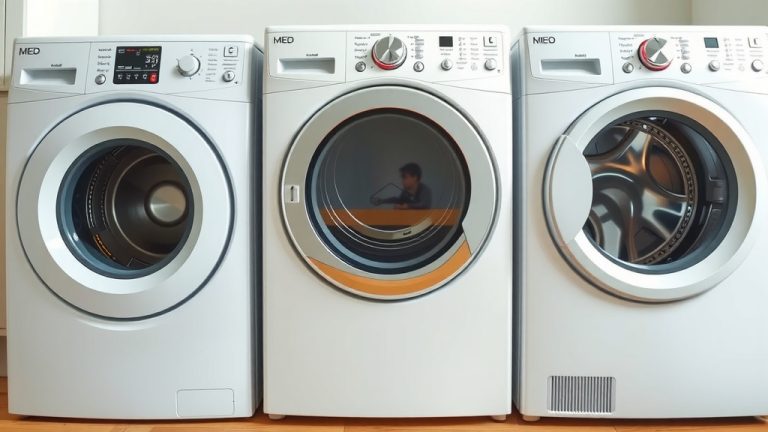
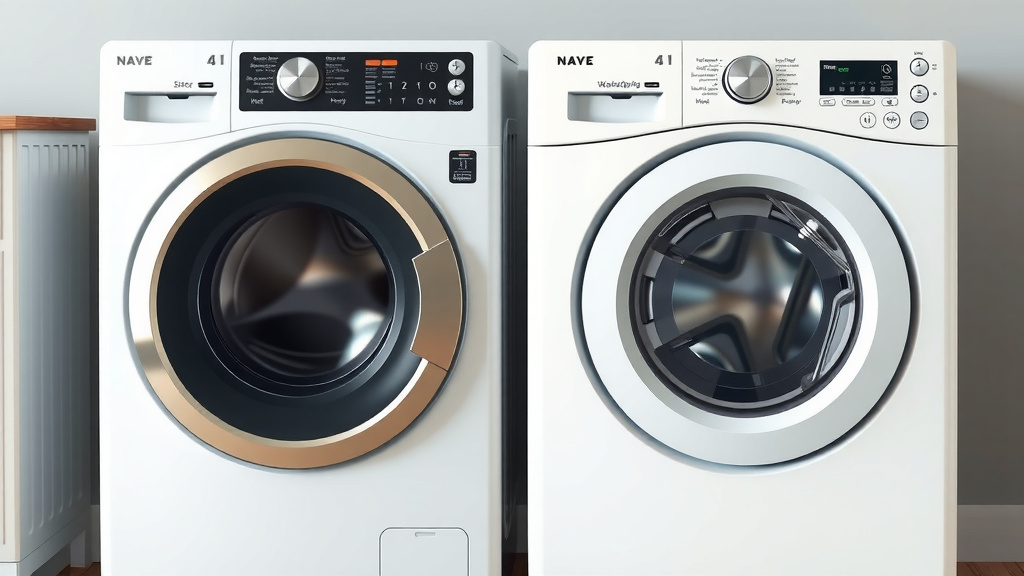
Deciding between a combination washer dryer and separate units boils down to your space and budget. A combo unit is often the best choice if you have very limited room and want a single appliance for both washing and drying your clothes. Separate units, while taking up more space, generally offer larger capacities and faster drying times.
Many homeowners find themselves wondering which option is truly the best fit for their laundry needs. We’ve found that while combo units offer convenience and are great for small apartments, separate machines provide more flexibility and performance for larger households. Your laundry room setup will heavily influence this decision.
- Combo units save space, ideal for small homes.
- Separate units offer bigger capacities and faster cycles.
- Consider your budget and how much laundry you do.
- Combo dryers can take longer to dry clothes.
- Separate machines might require more installation effort.
Let’s break down the pros and cons of each so you can make the right choice for your home and laundry routine.
Choosing Between All-in-One and Separate Washer-Dryer Units
When you’re outfitting your laundry space, a big decision is whether to go with a combination washer dryer or two distinct machines. This choice really depends on your available space and your budget. We found that for many people, especially those in apartments or smaller homes, the all-in-one unit is incredibly appealing. But what about performance? Let’s dive in and see which setup is the best fit for your laundry needs.
The Space-Saving Appeal of Combo Washer Dryers
If you’re tight on space, a combination unit is often your best friend. These machines do it all: wash and dry clothes in a single appliance. This means you don’t need a dedicated spot for a separate dryer. They are perfect for small apartments, RVs, or even just a small closet you want to convert into a laundry nook.
How Combo Units Work
Think of it like a washing machine with a drying cycle built-in. After washing, the machine switches to a drying mode. Some models even let you program the entire cycle, so you load clothes once and walk away. You can usually select different wash and dry settings. This convenience is a major draw for many users.
Potential Downsides to Consider
While they save space, combo units often have a smaller capacity than traditional machines. This means you might be doing more loads. Also, the drying function can take longer because it’s often a condenser dryer, which uses less energy but is slower. If you have a large family or a mountain of laundry each week, this could be a significant factor.
The Advantages of Separate Washer and Dryer Units
On the flip side, separate washer and dryer units offer more power and flexibility. You get two machines, each designed for its specific job. This usually translates to better performance and faster cycles. Many households find this setup more practical for their day-to-day laundry demands.
Capacity and Performance Gains
Separate machines typically come with larger drum capacities. This is a huge plus if you have a family or frequently wash bulky items like comforters. Drying times are also generally much faster with a standalone dryer. Most dryers use vent systems, which expel hot, moist air, leading to quicker drying.
Installation and Venting Considerations
Setting up separate units usually requires more space. You’ll need room for both the washer and the dryer. Most dryers also need a vent to the outside of your home. This might mean extra installation work, like drilling a hole through a wall or window. However, some newer dryers are ventless, similar to combo units, but still offer separate operation. If you own your home, installing separate units with proper venting can lead to better performance, especially if you’re considering a top-loading washing machine.
Flexibility in Usage
With separate machines, you can wash a load while another load is already drying. This multitasking capability can save you a lot of time throughout the week. You can also choose a washer and dryer from different brands or with different features, tailoring your laundry setup exactly to your preferences. This level of customization isn’t possible with a combo unit.
| Feature | Combination Unit | Separate Units |
|---|---|---|
| Space Required | Minimal; single appliance footprint | Larger; requires space for two machines |
| Capacity | Typically smaller | Typically larger |
| Drying Time | Can be longer | Generally faster |
| Installation | Simpler; plug-and-play | May require more effort (venting, hookups) |
| Cost (Initial) | Often less upfront | Can be higher upfront |
| Energy Efficiency | Varies; can be very efficient | Varies greatly by model |
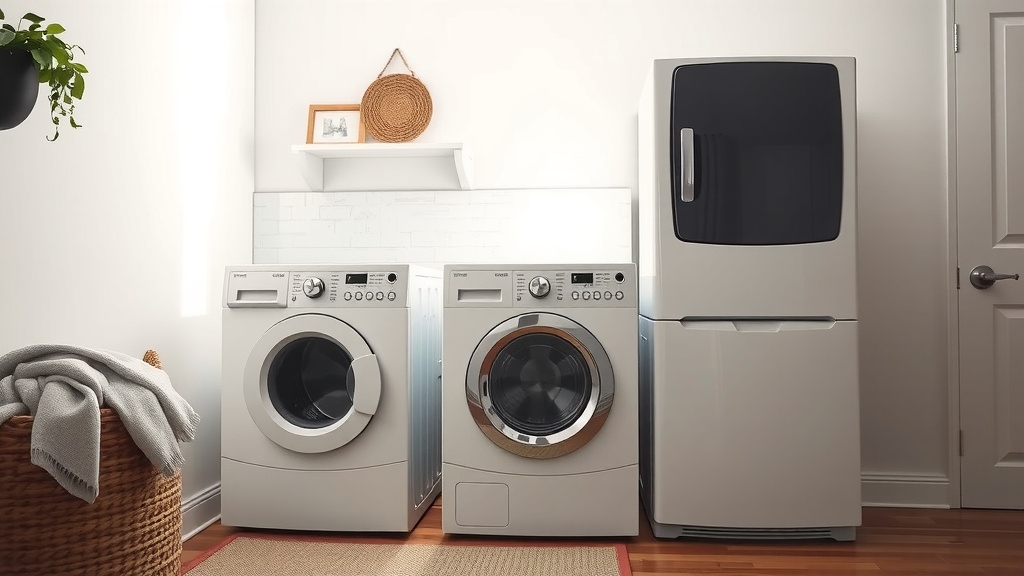
Factors to Guide Your Decision
So, how do you choose? It really comes down to your personal circumstances. Think about the amount of laundry you do each week. Do you have a small household or a large one? What’s your budget like? And most importantly, how much space can you dedicate to your laundry setup?
Your Laundry Volume Matters
If you have a large family or find yourself doing several loads of laundry every day, separate units are likely a better investment. They can handle bigger loads and dry them faster, saving you precious time. For individuals or couples with lighter laundry needs, a combo unit can be perfectly adequate. Many guidelines suggest that for efficiency, it’s best to match the machine size to your household needs (Energy Star).
Budgetary Considerations
Generally, a combination washer dryer tends to have a lower upfront cost than buying a separate, high-quality washer and dryer. However, it’s worth looking at the long-term energy costs too. Some combo units are very energy-efficient, while others might use more power for their drying cycles. Separate machines offer a wider range of price points, from budget-friendly to premium.
Installation Realities
Are you renting, or do you own your home? If you’re renting, a combo unit is much easier to install and move. It typically only requires a standard electrical outlet and water hookups. If you own your home and have the space, installing separate units with proper venting can lead to better performance and longevity for your machines. Experts often recommend proper ventilation for dryers to prevent overheating and improve efficiency (Department of Energy).
A Quick Checklist for Your Decision
To help you make up your mind, consider these points:
- Measure your available space carefully.
- Estimate how many loads of laundry you do weekly.
- Consider the size of your typical loads (bulky items?).
- Determine your budget for purchase and installation.
- Think about how much time you want to spend on laundry.
- Factor in any venting requirements for separate dryers.
Conclusion
Choosing between a combo unit and separate washer and dryer ultimately depends on your unique living situation. If maximizing space is your priority and your laundry loads are manageable, a combination washer dryer offers a neat, all-in-one solution. For larger households or those who prioritize speed and capacity, separate units provide greater efficiency and flexibility. We’ve seen that considering your laundry volume, available space, and budget will guide you to the perfect laundry setup. Take a moment to measure your space and honestly assess your laundry habits before making your final decision.
Frequently Asked Questions
How does the drying time in a combo washer dryer compare to a separate dryer?
Generally, combo washer dryers take longer to dry clothes. This is because they often use a ventless condenser system, which is more space-efficient but slower than the vented systems found in most separate dryers. You can often get laundry dried and ready much faster with a dedicated dryer.
Can I wash and dry clothes at the same time with a combo unit?
No, a combination washer dryer cannot wash and dry simultaneously. It must complete the wash cycle before it can begin the drying cycle. This means you can’t wash one load while drying another, which is a key benefit of having separate units.
Are combo washer dryers more energy-efficient?
This can vary greatly by model. While many combo units are designed for energy efficiency due to their smaller size and ventless drying, some high-efficiency separate dryers can also be very economical. It’s best to check the Energy Star ratings for specific models you’re considering.
What is the typical lifespan of a combo washer dryer compared to separate units?
The lifespan can depend heavily on usage and maintenance for both types. However, because a combo unit has more components packed into a single machine and undergoes more complex cycles, some experts suggest they might have a slightly shorter lifespan than well-maintained separate units. Regular cleaning and following manufacturer guidelines are key for longevity.
Is a separate washer and dryer more reliable than a combo unit?
While both types can be reliable, separate units might be considered more robust for heavy use. Each machine is designed for a specific task, potentially reducing strain on individual components. If one part of a separate unit has an issue, the other machine can still function, whereas a problem with a combo unit usually renders both washing and drying functions unusable.