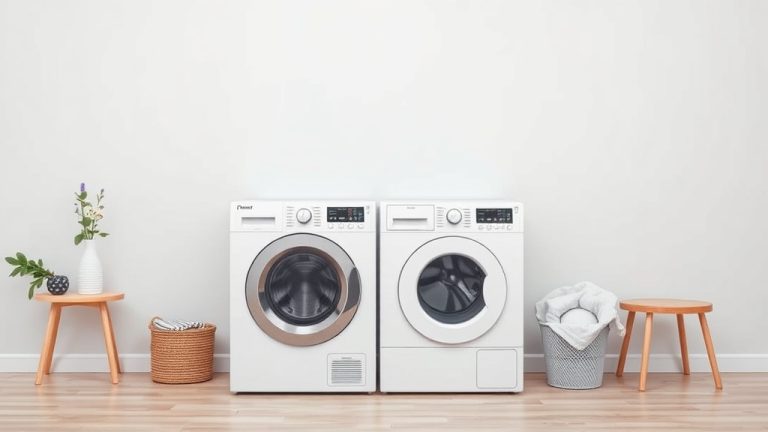
How Do Portable Dryers Work? A Full Guide
A portable dryer—often called a ventless dryer—works by using either a condenser or a heat pump to remove moisture from your clothes and collect it as water, rather than venting hot, humid air outside. Because it doesn’t need an exterior vent, you can plug it in and use it almost anywhere. The core answer is simple: it heats the air, pulls moisture out of your fabrics, and then recycles or collects that water so your laundry comes out dry.
This is a game-changer for apartment dwellers, RV owners, or anyone without a traditional dryer hookup. We found that understanding the difference between condenser and heat pump models is key, as they use slightly different technology to dry your clothes. Many experts say that while these units are slower than traditional dryers, they are incredibly convenient and energy-efficient. You just need to empty a water tank after each cycle.
- Instant answer: Portable dryers dry clothes by condensing moisture into a water tank, not by venting it outside.
- How they work: They heat the air, pass it through your clothes, then cool the air to turn the moisture into water.
- Two main types: Condenser dryers use a cool air stream, while heat pump dryers recycle hot air for more efficiency.
- Key trade-off: They are slower than standard dryers, but they save space and need zero venting.
- Setup is easy: Just plug them into a standard outlet, fill them with clothes, and empty the water reservoir after each load.
Below, we’ll walk you through exactly how the condensation process works step by step, and we’ll break down the pros and cons of each portable dryer type so you can decide which one fits your lifestyle best.
Understanding the Portable Dryer Drying Process
You already know the short version. Now let’s get into the real mechanics. A portable dryer is basically a clever box that manages air and water in a closed loop. We found that once you picture the airflow, the whole thing clicks.
Think of it like a sponge. Your wet clothes hold water. The dryer pushes warm, dry air through them. That air grabs the moisture. Then the machine cools the air down. The moisture turns back into liquid water. That water ends up in a tank you empty.
The Step-by-Step Cycle Inside the Machine
Every portable dryer follows the same basic four-step rhythm. It repeats this cycle until your clothes are dry. Here is what happens inside the drum.
- Step 1: Heating. The machine heats ambient room air using a heating element. This warm air holds more moisture than cold air.
- Step 2: Tumbling. The drum spins your clothes. This exposes more fabric surface to the warm air, releasing trapped moisture.
- Step 3: Condensing. The humid air passes over a cold surface or through a cooling chamber. The water vapor condenses into liquid form.
- Step 4: Collection. The liquid water drips into a removable reservoir. The now-dry air gets reheated and sent back into the drum.
That is the entire magic trick. No outdoor vent. No hole in the wall. Just a continuous loop of heating, absorbing, cooling, and collecting.
Why There Is No Lint Vent
Traditional dryers push air outside through a hose. That hose carries lint with it. Portable dryers don’t have that luxury. They keep all the air inside the system.
So where does the lint go? Most of it gets caught in a mesh filter, just like a normal dryer. But some smaller particles can pass through. Many experts say this is why you must clean the condenser unit regularly. Lint buildup on the condenser reduces efficiency over time.
We found that checking the lint filter after every single load is the number one habit to keep your portable dryer working well. It takes ten seconds and saves you hours of frustration later.
Condenser Dryers vs Heat Pump Dryers
Now you know the general concept. But there are two distinct technologies under the hood. Each one handles the cooling part differently. The choice you make affects your energy bill, your drying time, and your clothes’ wear and tear.
Here is the quick breakdown before we go deeper. A condenser dryer uses cool air from the room to condense moisture. A heat pump dryer recycles hot air to do the same job. The heat pump is more efficient but slower.
How Condenser Dryers Work
Condenser dryers are the simpler of the two types. They are often cheaper to buy upfront. They are also easier to understand.
Inside the machine, there is a heat exchanger. Room air gets pulled in. This cooler air passes over the hot, humid exhaust air from the drum. The temperature difference causes moisture to condense into water.
Think of a cold glass of lemonade on a hot summer day. Water droplets form on the outside of the glass. That is condensation in action. The dryer does the same thing, just in a controlled metal chamber.
Pros of condenser dryers:
- Lower purchase price compared to heat pump models
- Simpler design means fewer parts to fail
- Lighter weight for moving around your home
Cons of condenser dryers:
- Higher energy consumption because they heat from scratch
- They add heat to the room, which can be uncomfortable
- Slower than traditional vented dryers
How Heat Pump Dryers Work
Heat pump dryers are the premium option. They use a refrigeration cycle, similar to your air conditioner or refrigerator. This makes them far more energy efficient.
Instead of pulling in new room air, the machine recycles the existing air. It uses a compressor and refrigerant to cool the air, extract the water, then reheat it. Nothing escapes. Nothing enters.
We found that heat pump dryers can cut energy use by up to 50 percent compared to condenser models (Energy Star). That is a significant saving on your electric bill over time.
Pros of heat pump dryers:
- Much lower energy consumption
- Gentler on fabrics because temperatures stay lower
- Do not heat up your laundry room as much
Cons of heat pump dryers:
- Higher upfront cost
- Longer drying times, often 30 to 60 minutes more per load
- Heavier and bulkier than condenser models
Quick Comparison Table for Your Needs
We put together a simple chart to help you weigh your options. Use this as a cheat sheet when you are shopping or comparing models.
| Feature | Condenser Dryer | Heat Pump Dryer |
|---|---|---|
| Energy Efficiency | Moderate | High |
| Drying Time | Medium (60-90 min) | Slow (90-120 min) |
| Upfront Cost | Lower | Higher |
| Fabric Care | Good | Excellent |
| Room Temperature Impact | Adds heat | Minimal |
| Noise Level | Quieter | Slightly louder |
Both types get your clothes dry. The real question is what matters more to you: saving money upfront or saving energy every month.
Water Management: The Tank and the Drain Hose
Every portable dryer collects water somewhere. The most common method is a removable tank you empty by hand. But some models offer a drain hose option for continuous operation.
Let’s break down both so you know what to expect.
Using the Removable Water Reservoir
This is the standard setup. A clear plastic tank sits at the bottom or top of the machine. As the dryer runs, water drips into this tank.
You need to empty it after every load, sometimes mid-cycle for heavy items like towels or jeans. Most machines have an indicator light that tells you when the tank is full. If you ignore it, the dryer shuts off automatically to prevent overflow.
We found that a full tank of water weighs around 5 to 8 pounds. That is not heavy, but it is a minor chore you must remember. Some people repurpose this water for watering plants, since it is essentially distilled water.
Connecting a Drain Hose for Hands-Free Use
Many portable dryers come with a small hose attachment. You can connect this to the water tank outlet and run the hose to a sink, floor drain, or even a bucket.
This option is a lifesaver for people who dry multiple loads in a row. You never have to stop and empty the tank. The water just flows away continuously.
Keep in mind that the drain hose relies on gravity. The dryer needs to be positioned higher than the drain point. If you put the dryer on the floor, the water won’t flow uphill. You might need to place the dryer on a sturdy table or counter to make this work.
Setup and Placement Requirements for Portable Dryers
Portable dryers are flexible, but they are not magic. They need a few basic things to function properly. Getting these right from day one saves you a lot of headaches.
We found that most setup issues come from people ignoring the clearance requirements. These machines need airflow around them to operate correctly.
Clearance, Ventilation, and Power Needs
First, check your outlet. Most portable dryers run on a standard 120-volt household plug. You do not need a special 240-volt outlet like traditional dryers. That is a huge advantage for apartments.
Second, give the machine some breathing room. Leave at least 4 to 6 inches of space on all sides. The back of the machine has intake vents. Blocking them means the dryer works harder and takes longer.
Third, keep it away from water sources like sinks and bathtubs. Even though the dryer handles water, electricity and water do not mix safely. Plug it into a GFCI-protected outlet if you can. Many building codes recommend this for laundry areas (National Electrical Code).
Where You Should Not Put Your Portable Dryer
You can put a portable dryer in a lot of places. But some spots are bad ideas. Closets with no airflow can trap heat and cause the dryer to overheat. The machine needs to exchange some air with the room to regulate temperature.
Also avoid putting it on thick carpet. The soft surface can block the bottom vents and restrict airflow. Use a hard, flat surface like a countertop or a piece of plywood on the floor.
Finally, do not run it in a bathroom with a closed door and no fan. The humidity from the dryer has to go somewhere. Without ventilation, you might end up with mold on your ceiling.
Practical Drying Tips to Get the Best Results
Portable dryers have a learning curve. They are not as forgiving as traditional dryers. But once you learn a few tricks, you will get great results every time.
We gathered these tips from user research and manufacturer recommendations. Follow them and you will cut your drying time significantly.
Load Size and Fabric Considerations
The biggest mistake people make is overloading the drum. Portable dryers have smaller capacities than standard models. Most hold around 3 to 4 cubic feet of clothes. That is roughly half of a traditional dryer.
Stuffing the machine full means air cannot circulate. Clothes come out damp and wrinkled. We found that drying smaller loads, about 60 to 70 percent full, gives the best results.
Heavy fabrics like towels, jeans, and sweatshirts take much longer. You might need to run a second cycle for these items. Do not mix heavy fabrics with light t-shirts or delicates. The lighter items will be bone dry while the heavy ones are still soaking.
Speeding Up Drying Time
You can do a few simple things to speed things up. First, use the highest spin speed on your washing machine. This removes more water before the dryer even starts. We found that a good spin cycle can cut drying time by 15 to 20 percent.
Second, shake out each item before putting it in the dryer. This prevents clumping and allows air to reach every fold. Third, dry similar fabric weights together. This ensures everything finishes at the same time.
Finally, clean the lint filter and condenser unit regularly. A clogged condenser makes the dryer work twice as hard for half the result. Many manufacturers recommend cleaning the condenser every 10 to 15 cycles.
Maintenance Checklist for Longevity
Your portable dryer will last for years if you treat it right. Regular maintenance is not complicated. It just requires consistency. Here is a simple checklist to keep your machine running smoothly.
- Clean the lint filter after every single load
- Empty the water tank immediately after the cycle ends
- Wipe down the drum interior with a damp cloth once a week
- Check and clean the condenser unit every 10 to 15 cycles
- Inspect the power cord for fraying or damage monthly
- Run a drying cycle with the drum empty every few months to clear internal moisture
That is really all there is to it. No special tools. No expensive cleaning products. Just simple habits that keep your dryer happy and your clothes dry.
You will know when something is off. Longer drying times, strange smells, or excessive noise are all signs that maintenance is overdue. Pay attention to these signals and you will avoid costly repairs down the road.
Conclusion
Portable dryers are a clever solution for anyone who wants the convenience of a dryer without the hassle of venting. You now know the core difference: condenser models pull in room air, while heat pump models recycle warm air for better efficiency. Both collect water in a tank you empty, and both need a little patience since they run slower than traditional dryers.
We found that the best approach is simple. Pick the type that fits your budget and energy goals. Then, commit to the small habits: clean the lint filter every load, empty the tank on time, and give the machine breathing room. Do that, and your portable dryer will serve you well for years.
Frequently Asked Questions
Can a portable dryer work in a room with no windows?
Yes, it can. Since portable dryers do not vent air outside, you do not need a window at all. Just make sure the room has some airflow and the dryer has clearance on all sides.
How long does a portable dryer take to dry a full load?
Expect roughly 60 to 120 minutes depending on the model and fabric type. Heat pump dryers run longer than condenser models. Heavy items like towels or jeans may need an extra cycle.
Do portable dryers shrink clothes like regular dryers?
They can, but heat pump models are gentler because they use lower temperatures. To protect your clothes, avoid overloading the drum and use the delicate cycle when you are unsure about a fabric.
Can you run a portable dryer and a washing machine at the same time?
Yes, you can, as long as they are on separate circuits. Portable dryers draw about 1,500 watts, so sharing a single outlet with a washer could trip the breaker. Check your breaker box if you run them together.
What happens if you do not empty the water tank?
The dryer will stop automatically before the tank overflows. Most models have a full-tank indicator light that alerts you first. You will need to empty the tank and restart the cycle to finish drying.