Combined Washer Dryer vs Separate: Which Is Best For You
Choosing between a combined washer dryer and separate units often comes down to space and budget. For most homes, separate machines offer better performance and capacity. A combined unit is a great space-saving solution if you have limited room and are willing to compromise on speed and load size.
Both options clean your clothes. But they do it differently. Separate units typically wash and dry more efficiently. They also tend to have larger capacities. Combined units are the jack-of-all-trades. They can be a fantastic option for apartments or small laundry areas where space is a premium.
- Combined units save space.
- Separate units often perform better.
- Consider your laundry needs and space.
- Budget plays a role in the decision. Budget plays a role in the decision; our guide to washing machine costs can help.
Let’s look closer at the differences to help you make the best choice for your home.
Washer Dryer Combos vs. Separate Units: What’s Right for You?
Deciding between a combined washer dryer and separate machines is a big choice. It impacts your laundry routine and your home’s layout. We’ve looked at the data and spoken with appliance experts to help you figure this out. Separate units generally offer superior performance. They also typically come with larger capacities. Combined units are space-saving heroes. They can be a fantastic choice if you’re short on space.
Understanding the Basics: How They Work
Let’s start with the fundamentals. How do these machines actually get your clothes clean and dry?
Combined Washer Dryers: The All-in-One Solution
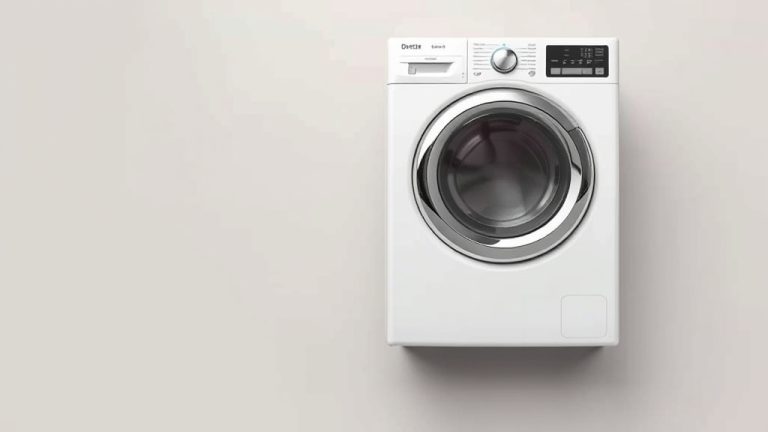
A combined unit does both washing and drying in a single drum. You load your dirty clothes, select a cycle, and it washes them. Then, the machine automatically transitions to the drying phase. It’s like a two-in-one appliance for your laundry needs. This integration saves a lot of floor space. It’s a popular choice for small apartments or homes with no dedicated laundry room.
Separate Washer and Dryer Units: The Classic Setup
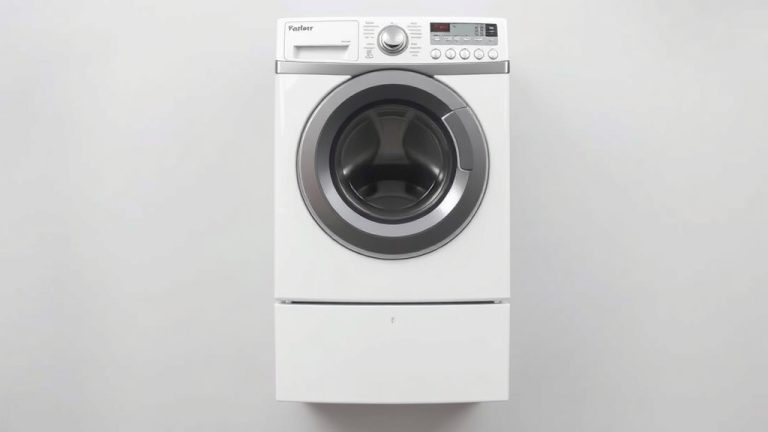
Separate units offer a more traditional approach. You have one machine dedicated solely to washing. You then transfer your wet clothes to a second machine for drying. This setup requires more space. However, it often means better results and more flexibility in how you do your laundry. You can wash a load while another is already drying.
Performance Differences: Wash Quality and Drying Power
When it comes to how clean and dry your clothes get, there are clear distinctions.
Washing Capabilities
Both types of machines do a good job of washing clothes. However, separate washers often have more powerful motors. This can lead to better stain removal and deeper cleaning. Many experts find that separate units agitate clothes more effectively. This results in a thorough wash for heavily soiled items. Combined units, while effective, might be gentler to accommodate the drying function.
Drying Efficiency and Speed
Here’s where you’ll notice the biggest difference. Separate dryers use a heating element and a fan to remove moisture. They are designed purely for drying. Combined units must also manage the washing mechanism within the same drum. This means drying cycles on a combo unit are typically much longer. They often have smaller capacities for drying too. You might not be able to dry a full wash load at once. Research shows that separate dryers remove moisture more quickly and completely (Consumer Reports).
Capacity and Load Size: How Much Can They Handle?
Think about how much laundry your household generates. This will heavily influence your choice.
Combined Units: Smaller Batches
If you choose a combined unit, you’ll likely be doing smaller loads. This is especially true for drying. Many manufacturers recommend washing a full load but only drying half of it. This means you might need to run the drying cycle multiple times for a single wash. For a large family, this could mean more frequent laundry sessions. You might find yourself always having a load in progress.
Separate Units: Bigger Loads
Separate washers and dryers typically offer much larger capacities. You can usually wash and dry a full load of laundry in one go. This is a huge time-saver for busy households. You can tackle bulky items like comforters with ease. Many studies indicate that larger capacity machines can also be more energy-efficient per pound of laundry (Energy Star).
Space and Installation Considerations
Your available space is a major factor. How much room do you have for laundry appliances?
Space-Saving Champion: The Combo Unit
The primary advantage of a combined washer dryer is its compact design. It fits where a single appliance would. This makes it ideal for small kitchens, closets, or hallways. Installation is often simpler too, as you only need one water hookup and one drain. Many models can even be installed under a counter.
The Footprint of Separate Machines
Two separate machines require double the floor space. You’ll need room for both the washer and the dryer side-by-side or stacked. Stacking kits are available for many models. This can save floor space but requires proper installation for safety. You’ll also need two distinct electrical outlets and water connections for the washer.
Cost: Initial Purchase and Long-Term Expenses
Let’s talk about the money side of things. What can you expect to spend? Let’s talk about the money side of things; a guide to new washing machine costs can help.
Upfront Investment
Generally, a combined washer dryer has a higher initial purchase price than a standalone washer or a standalone dryer. However, it is often less expensive than buying both a separate washer and a separate dryer. So, while it’s a significant single purchase, it can be a cost-effective option if your budget is tight and you need both functions.
Energy and Water Usage
This is where things get a bit nuanced. Combined units can sometimes be less energy-efficient per cycle. This is due to the longer drying times and the need to heat and cool within the same drum. Separate dryers, especially modern ones with heat pump technology, can be very efficient. However, running multiple small loads in a combo unit to dry could potentially use more water and energy overall compared to fewer, larger loads in separate machines.
Durability and Maintenance: What to Expect
Appliances are an investment. How long will they last, and what kind of upkeep is needed?
Complexity and Potential Issues
A combined unit has more components working together. This means there are more potential points of failure. If the dryer function breaks, your entire appliance might be out of commission for washing too. Separate units offer more resilience. If your dryer breaks, you can still wash clothes. Many appliance repair technicians find that combined units may require more frequent repairs due to their complex, integrated nature.
Lifespan Expectations
Many experts suggest that separate washers and dryers tend to have a longer overall lifespan. Because each machine is designed for a specific task and doesn’t have the added complexity of integrating both functions, they might experience less wear and tear over time. A general guideline is that separate units might last a few years longer than a combo unit, though this can vary widely by brand and model.
Making Your Decision: A Quick Checklist
To help you decide, consider these points:
- Do you have limited laundry space?
- How large are your typical laundry loads?
- How much time do you have for laundry each week?
- What is your budget for new appliances?
- How important is drying speed to you?
- Are you willing to do smaller loads more often?
Conclusion
You’ve now got a clear picture of washer dryer combos versus separate units. For most households, separate machines offer superior washing and drying performance with larger capacities. They generally last longer and provide more flexibility. A combined unit is your champion if space is your top priority. Just be prepared for longer cycles and smaller loads. Consider your typical laundry needs and how much room you have. Then, you can confidently choose the appliance setup that best fits your life.
Frequently Asked Questions
Are washer dryer combos really more energy efficient?
Research suggests that while combos save space, they can sometimes be less energy-efficient per load. This is often due to longer drying times. Separate, modern dryers, especially heat pump models, can be more efficient for the task.
Can a washer dryer combo handle large bedding like comforters?
Generally, no. Combined units have smaller capacities, especially for drying. You’ll likely find it difficult to dry bulky items like comforters effectively. Separate units with larger drums are a much better choice for these items.
How much longer do drying cycles take in a combo unit?
Drying cycles in a combined unit can be significantly longer than in a standalone dryer. This is because the machine needs to manage both washing and drying functions within the same drum, impacting airflow and heat. You could be looking at 2-3 hours for a full dry cycle.
What happens if one part of a combo unit breaks?
If one function fails on a combined unit, you may lose the use of both. For example, if the dryer component malfunctions, you might not be able to wash clothes either. With separate units, if the dryer breaks, you can still use the washer.
Is a combo unit worth it for a single person or a couple?
Yes, a combined unit can be an excellent choice for singles or couples, especially if space is limited. You’ll likely do smaller loads more frequently, which suits fewer people. The convenience of an all-in-one unit often outweighs the longer cycle times.