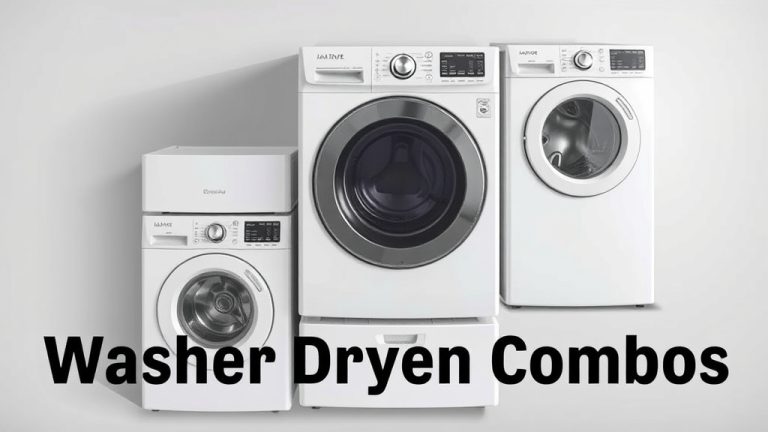
Top vs Side Load Washer: Which Is Best For You
When choosing a new washing machine, the debate between top-load vs. front-load washers is a common one. While both get your clothes clean, front-load washers generally offer better efficiency and gentler fabric care, while top-load washers are often more affordable and easier to load.
Your choice depends on what you prioritize most. We found that front-loaders use less water and energy, which can save you money long-term. Top-loaders, on the other hand, can be quicker to use and often have a lower purchase price, making them a budget-friendly option.
- Front-loaders are more water and energy efficient.
- They tend to be gentler on clothes.
- Top-loaders are typically less expensive upfront.
- Loading a top-loader is easier for some.
- Both types clean clothes effectively.
Let’s dive deeper into the pros and cons of each so you can find the perfect fit for your laundry routine.
Deciding Between Top-Load and Front-Load Washers
Choosing the right washing machine can feel like a big decision. You want something that cleans well without costing a fortune or damaging your favorite clothes. We’ve looked at both top-load and front-load models to help you understand their strengths. Both types have their fans for good reason. Let’s break down what makes each one stand out.
Understanding Top-Load Washers
Top-load washers have been a staple in American homes for decades. They are known for being straightforward and user-friendly. You simply open the lid on top and drop your clothes in. This design often appeals to people who have trouble bending over.
What Makes Top-Loaders Different?
The main distinction is the loading door. It’s located on the top of the machine. This means you don’t need to bend down to put clothes in or take them out. For many, this ergonomic advantage is a major selling point.
Agitator vs. Impeller Models
Within top-loaders, there are two main types: agitator and impeller. Agitator models have a central post that twists and turns clothes. Impeller models use a low-profile cone or disc at the bottom to move clothes around. Research suggests impeller models are generally gentler on fabrics and can hold more laundry (Consumer Reports).
Pros of Top-Load Washers
- Lower upfront cost: Top-loaders are typically less expensive to buy. This makes them a great choice for budget-conscious shoppers.
- Faster wash cycles: Many top-load cycles finish more quickly. This can be a lifesaver when you’re in a hurry.
- Easier loading: No bending needed. This is a significant benefit for those with back or knee issues.
- Can add clothes mid-cycle: Most top-loaders let you toss in a forgotten sock. Just be sure to check your model’s manual for specific instructions.
Cons of Top-Load Washers
- Use more water: Top-loaders, especially agitator models, tend to use more water. This can increase your water bill over time.
- Less energy efficient: They often use more electricity than front-loaders. This is partly due to more water heating and longer cycle times in some cases.
- Can be harsher on clothes: The agitator can cause more wear and tear on delicate fabrics. Impeller models are better, but still may not be as gentle as front-loaders.
- Clothes may not get as clean: Some studies indicate that the tumbling action in front-loaders can lead to a more thorough clean.
Exploring Front-Load Washers
Front-load washers load from the front, like a dryer. They have gained popularity for their efficiency and cleaning power. Many people find their performance to be superior, especially for larger loads.
What Sets Front-Loaders Apart?
The door is on the front, and the drum tumbles clothes. This tumbling action, combined with a small amount of water, is very effective at removing dirt. The gentle tumbling action is often highlighted as a key advantage.
Pros of Front-Load Washers
- Superior cleaning: The tumbling action is very effective. Research often shows front-loaders perform better at removing stains (Good Housekeeping Institute).
- Gentle on fabrics: They don’t use an agitator. This means less stress on your clothes, helping them last longer.
- Water and energy efficiency: Front-loaders use significantly less water and energy. This saves you money on utility bills and is better for the environment. Many models meet ENERGY STAR® standards.
- Higher spin speeds: They can spin clothes faster. This extracts more water, leading to shorter drying times.
- Stackable: Many front-load washers can be stacked with a matching dryer. This saves floor space, which is great for small laundry rooms.
Cons of Front-Load Washers
- Higher upfront cost: Front-loaders generally cost more to purchase. This initial investment can be a barrier for some.
- Longer wash cycles: Cycles can take longer, especially for heavily soiled items. This might require planning your laundry days.
- Bending required: You need to bend down to load and unload. This can be uncomfortable for people with mobility issues. Many manufacturers offer pedestals to raise the height.
- Potential for mold/mildew: The door seal can trap moisture. This can lead to odors if not cleaned regularly. Running a cleaning cycle and leaving the door ajar helps prevent this.
- Cannot add clothes mid-cycle easily: Once a wash cycle starts, it’s usually difficult to add forgotten items. Some newer models have a small door for this.
| Feature | Top-Load Washer | Front-Load Washer |
|---|---|---|
| Upfront Cost | Lower | Higher |
| Water Usage | Higher | Lower |
| Energy Efficiency | Lower | Higher |
| Fabric Care | Can be harsher (agitator) | Gentler |
| Cleaning Performance | Good | Excellent |
| Cycle Time | Generally Shorter | Generally Longer |
| Loading Comfort | Easier (no bending) | Requires bending (can use pedestal) |
| Stackable | No | Yes (with matching dryer) |
Making Your Final Choice: A Quick Checklist
To help you decide, consider these points:
- Do you need to bend down easily?
- Is your budget tight for the initial purchase?
- Are you looking for the most water and energy savings?
- Do you wash a lot of delicate items?
- Do you have limited space where a stackable unit would help?
- Are you okay with potentially longer wash cycles for better results?
Conclusion
Choosing between a top-load and front-load washer comes down to your personal laundry needs and budget. If upfront cost and ease of loading are your main concerns, a top-loader might be your best bet. For superior cleaning performance, fabric care, and long-term savings on utilities, a front-loader is often the smarter investment. We found that both types offer effective cleaning, so consider your space and how you do laundry most often. Your next step is to measure your space, check your budget, and head to the store to see them in person!
Frequently Asked Questions
Which type of washer is better for someone with back pain?
For individuals with back pain or mobility issues, a top-load washer is generally easier to use. You don’t need to bend down to load or unload clothes, which can significantly reduce strain. Front-load washers often require bending, though pedestals can be purchased to raise their height.
Are top-load washers really less effective at cleaning clothes?
While both types clean effectively, research suggests front-load washers often provide a more thorough clean. Their tumbling action, combined with less water, is very efficient at removing dirt and stains compared to some top-load models, especially those with agitators.
How do I prevent mold and mildew in a front-load washer?
To prevent mold and mildew in your front-load washer, it’s important to regularly wipe down the door seal and leave the door ajar between uses. Running a cleaning cycle or a hot water wash with vinegar or a specialized washer cleaner monthly also helps keep it fresh.
Can I stack a top-load washer and dryer?
No, top-load washers are not designed to be stacked. Only front-load washers can be safely stacked with a matching front-load dryer, which is a great space-saving solution for smaller laundry rooms.
Which washer type is more eco-friendly?
Front-load washers are generally considered more eco-friendly. They use significantly less water and energy per cycle compared to most top-load washers, which can lead to lower utility bills and a smaller environmental footprint.