Front Load vs Top Load Washer Water Usage Comparison
When it comes to saving water, front load washers generally use less water than top load washers. This is because front loaders use a tumbling action to clean clothes. They rely on gravity and less water to get the job done. Many models are designed for maximum water efficiency.
Choosing the right washer can impact your utility bills. Understanding the differences in water consumption is key for smart home choices. Front loaders often have advanced features that help them use even less water per cycle. This can lead to substantial savings over time.
- Front loaders use less water because of their tumbling action.
- Top loaders typically need more water to submerge clothes.
- Consider water usage when deciding which washer type is best for you.
- Front loaders can help reduce your water bills.
Let’s dive into the specifics of how much water each type uses and what that means for your home.
Water Usage: Front Load vs. Top Load Washers
When you’re looking at new laundry appliances, one of the biggest questions is how much water they’ll use. This is where front-load and top-load washers show some real differences. We found that front-load washers generally consume significantly less water than their top-loading counterparts. This isn’t just a small difference; it can add up over time on your water bills.
How Front Loaders Save Water
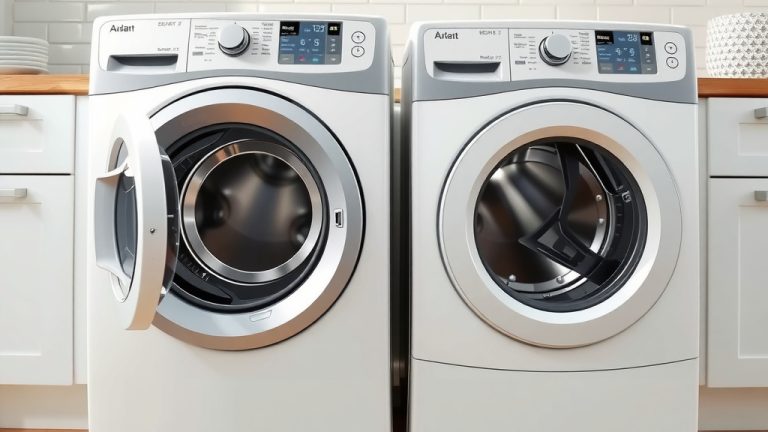
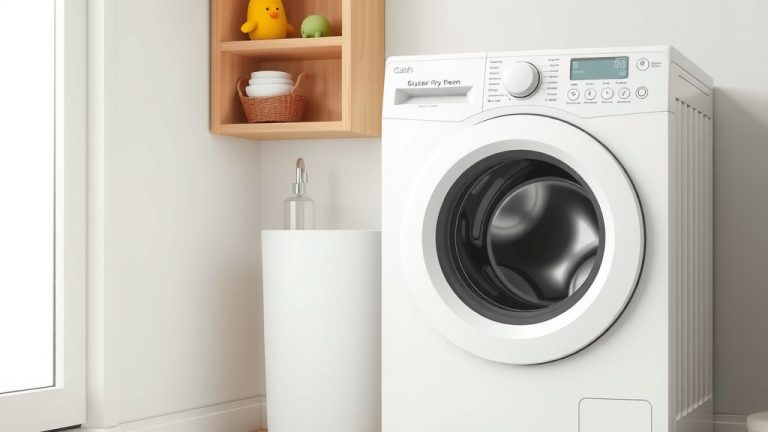
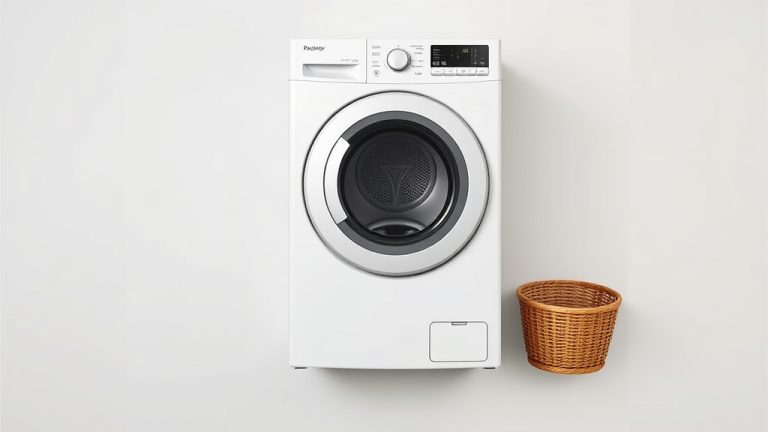
Front-load washers clean clothes using a tumbling motion. Imagine your clothes gently falling and tumbling in a drum. This action uses gravity to help move the clothes through a small amount of water. It’s like a gentle massage for your laundry.
Because they don’t need to fill the entire tub, they require much less water. Many models are specifically designed with water efficiency in mind. You’ll often see ENERGY STAR ratings on these machines, which is a good indicator of their water-saving capabilities.
Why Top Loaders Use More Water
Top-load washers, on the other hand, typically fill the tub with water. Your clothes need to float and be fully submerged to get clean. This process requires a substantial amount of water, often filling the drum more than halfway.
While traditional top-loaders use a lot of water, some newer high-efficiency (HE) top-load models have improved. These HE models often use an impeller or a low-profile agitator. They still tend to use more water than front-loaders, but less than older styles (Cleveland Clinic).
Typical Water Consumption Figures
Let’s look at some general numbers. These can vary by model and cycle, of course. But they give you a good idea of what to expect.
| Washer Type | Average Water Use Per Load (Gallons) |
|---|---|
| Front Load Washer | 10-15 gallons |
| High-Efficiency (HE) Top Load Washer | 15-25 gallons |
| Traditional Top Load Washer | 30-45 gallons |
As you can see, the difference is quite stark, especially when comparing front-loaders to older, traditional top-loaders. Even when you compare a front-loader to an HE top-loader, the front-loader often comes out ahead on water savings.
Impact on Your Utility Bills and the Environment
Using less water means lower utility bills. This is a direct financial benefit for you. Over the life of the appliance, these savings can be quite substantial. Think about how many loads of laundry you do in a year!
Beyond your wallet, using less water is also better for the environment. Water conservation is a growing concern. Choosing an efficient appliance helps reduce your household’s environmental footprint. Many environmental guidelines recommend appliances that minimize water waste (EPA).
Understanding Water Efficiency Ratings
When shopping, look for the ENERGY STAR label. This certification means the appliance meets strict energy efficiency guidelines set by the U.S. Environmental Protection Agency. It guarantees a certain level of water and energy savings.
Some models might also have a Water Factor (WF) rating. This number tells you how many gallons of water the washer uses per cubic foot of capacity. A lower WF means a more water-efficient machine. We found that a lower WF is always a good sign.
Considering Other Factors
While water usage is a big factor, it’s not the only one. You’ll want to think about cleaning performance, cycle times, and load capacity too.
Cleaning Performance Differences
Front-load washers are often praised for their gentle yet effective cleaning. The tumbling action can be less harsh on clothes compared to the vigorous spinning of some top-loaders. Many users report cleaner clothes with fewer signs of wear and tear.
Cycle Times and Features
Historically, front-loaders sometimes had longer cycle times. However, modern machines offer a variety of cycles, including quick wash options. You’ll also find advanced features like steam cleaning and sanitizing options that can benefit your laundry routine.
Capacity and Space Considerations
Both types of washers come in various capacities. You can find large-capacity machines in both front-load and top-load designs. If you have a large family, a bigger drum might be essential. Also, consider the space where your washer will go. Front-loaders can often be stacked with a dryer, which is great for small laundry rooms.
Making the Right Choice for Your Home
Choosing between a front-load and a top-load washer involves weighing several factors. Water usage is undeniably a major one, and front-loaders generally excel here.
Think about your laundry habits. Do you wash large loads frequently? Do you prioritize the gentlest clean? What’s your budget for initial purchase versus long-term savings?
Ultimately, the best washer for you depends on your specific needs and priorities. But if water efficiency is high on your list, a front-load washer is likely your best bet.
Quick Checklist for Choosing Your Washer
- Prioritize water efficiency for lower bills.
- Look for ENERGY STAR certified models.
- Compare Water Factor (WF) ratings if available.
- Consider your family size and laundry volume.
- Think about space and potential stacking options.
- Read reviews for cleaning performance and reliability.
Conclusion
When you’re choosing a new washing machine, water usage is a key factor for both your wallet and the environment. Our research found that front-load washers are generally more water-efficient than top-load models. Their tumbling action uses gravity and less water, leading to potential savings on your utility bills over time. While high-efficiency (HE) top-loaders have improved, front-loaders still tend to lead in water conservation. When you shop, look for ENERGY STAR ratings and compare Water Factor (WF) if possible. Make an informed choice that aligns with your laundry needs and your commitment to saving water.
Frequently Asked Questions
Do front-load washers really clean as well as top-load washers?
Yes, front-load washers generally offer excellent cleaning performance. Their tumbling action is effective at removing dirt while being gentler on your clothes compared to some vigorous top-load agitators. Many users find they get cleaner clothes with less wear and tear.
Can I still save water if I have a traditional top-load washer?
While traditional top-load washers use the most water, you can still take steps to conserve. Always run full loads when possible, and consider using the appropriate water level setting if your machine offers one. Even small adjustments can contribute to water savings.
How does the Water Factor (WF) rating help me choose a washer?
The Water Factor (WF) rating indicates how many gallons of water a washer uses per cubic foot of drum capacity. A lower WF number means the washer is more water-efficient. Comparing this rating between models can help you identify the best water-saving option.
Are front-load washers more expensive to buy upfront?
Often, front-load washers have a higher initial purchase price than traditional top-load models. However, their superior water and energy efficiency can lead to significant savings on your utility bills over the lifespan of the appliance. You’re investing in long-term cost reduction.
How much water can I realistically save by switching to a front-load washer?
The amount of water you save can be substantial, depending on your current washer and how many loads you do. Switching from an older, traditional top-load washer to a front-load model could potentially save you tens of gallons per load. Over a year, this adds up to hundreds or even thousands of gallons saved.