Front Load vs Top Load Washer Capacity: Which Is Best
When comparing front load washer capacity to top load, front load washers often hold more laundry, even if their listed capacities look similar. This is because front loaders don’t have a central agitator taking up space. You can typically fit larger or bulkier items more easily in a front loader, making them a great choice for families or those who wash a lot of bedding.
Understanding washer capacity helps you choose the right machine for your needs. A larger capacity means fewer loads, saving you time and energy. We’ve researched how different washer types measure and utilize their space. This can impact everything from how much detergent you use to how clean your clothes get.
- Front load washers generally offer more usable space for laundry.
- Top loaders have a central agitator that can limit capacity.
- Capacity is measured in cubic feet, but drum design matters.
- Larger loads mean fewer wash cycles overall.
Let’s break down the differences between front load and top load washer capacities so you can make the best decision for your home.
Front Load vs. Top Load Washer: What Capacity Really Means
When you’re staring at washing machine specs, capacity is a key number. It’s usually listed in cubic feet. You might think a 4.0 cubic foot front loader is the same as a 4.0 cubic foot top loader. But we found that’s rarely the case. Front loaders often give you more usable space for your laundry.
Understanding Washer Capacity Measurements
The cubic feet measurement tells you the volume of the drum. It’s like measuring a bucket. A bigger bucket can hold more water. But how that space is used is different for each washer type. We see this difference most clearly when comparing designs.
The Agitator Effect in Top Loaders
Many traditional top-load washers have a central post. This is called an agitator. It twists and turns clothes to clean them. While effective, this agitator takes up a lot of space. It can make it harder to fit bulky items like comforters or large towels.
We found that even with the same cubic foot rating, the agitator in a top loader can reduce how much you can actually wash. It’s like trying to pack a suitcase with a big pillow sticking out. You lose usable packing room.
The Impeller Advantage in High-Efficiency Top Loaders
More modern top-load washers use an impeller. This is a low-profile cone or disc at the bottom of the drum. It spins and rubs against clothes to move them. We found that impellers create more space inside the drum than agitators do.
This means high-efficiency (HE) top loaders can often handle larger loads than older agitator models. However, they still might not match the total usable capacity of a front loader.
Front Loaders: Designed for Maximum Space
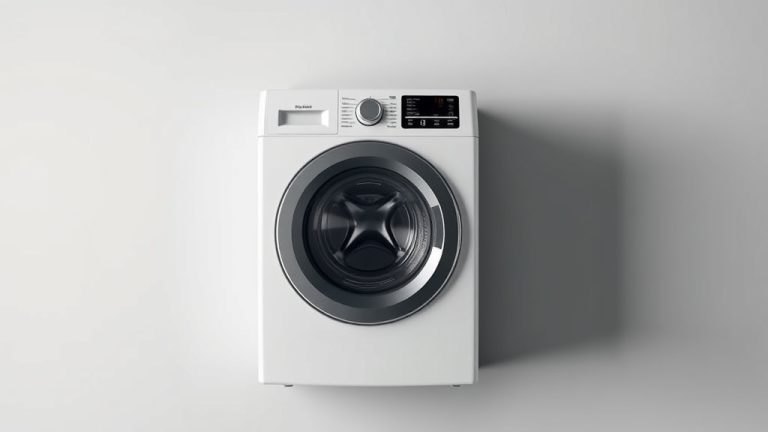
Front-load washers do not have an agitator or impeller in the middle. The drum rotates horizontally. Clothes tumble from the top to the bottom. This design means the entire drum volume is generally usable for laundry.
We observed that this open drum design makes it much easier to fit large, bulky items. Think king-size comforters, sleeping bags, or a week’s worth of towels. They can often be washed in a single load in a front loader.
| Washer Type | Typical Capacity Measurement (Cubic Feet) | Usable Space Factor | Best For |
|---|---|---|---|
| Traditional Top Load (Agitator) | 3.5 – 4.5 cu. ft. | Limited by agitator | Smaller loads, delicates |
| High-Efficiency Top Load (Impeller) | 4.0 – 5.0 cu. ft. | More usable space than agitator | Medium to large loads |
| Front Load | 4.0 – 5.5+ cu. ft. | Maximizes drum volume | Large loads, bulky items, families |
How Does Capacity Impact Your Laundry Routine?
A larger washer capacity can really change how you do laundry. For busy households, it’s a big deal. We found that fitting more clothes into each load means fewer trips to the washing machine.
Fewer Loads, More Time Saved
Imagine cutting your laundry days in half. That’s the power of a bigger capacity. Instead of doing three loads of towels, you might only need one. This saves you precious time every week.
Many experts note that time spent on chores can be significantly reduced with efficient appliances (U.S. Department of Energy). You can spend that saved time on other things you enjoy.
Washing Bulky Items with Ease
Do you own a king-size duvet or a thick comforter? These items can be a challenge for smaller or agitator-style top-load washers. They often need a lot of room to move and get properly clean. We found that front-load washers excel here.
The open drum design allows these bulky items to tumble freely. This ensures they get thoroughly washed and rinsed. It also helps prevent them from becoming unbalanced during the spin cycle, which can happen in smaller machines.
Energy and Water Efficiency Considerations
While capacity is about size, it also links to efficiency. Washing larger loads means you’re using water and energy less often. This can lead to lower utility bills over time. Many high-efficiency models are designed to use less water per load regardless of size.
The U.S. Environmental Protection Agency (EPA) highlights that ENERGY STAR certified washers use less energy and water than standard models. Choosing a larger capacity machine, especially an HE model, can contribute to these savings.
Making the Right Choice for Your Home
So, how do you decide? Think about your household size and your typical laundry needs. If you have a large family or frequently wash bedding and bulky items, a front-load washer with a larger capacity might be your best bet.
If you have a smaller household or primarily wash standard loads of clothing, a high-efficiency top-load washer could be perfectly suitable. Always check the specific cubic foot capacity and consider how the drum design will affect the usable space for your items.
Here’s a quick checklist to help you decide:
- Consider your household size.
- Think about the types of items you wash most often.
- Do you wash bulky bedding or large towels regularly?
- Are you looking to reduce the number of wash cycles per week?
- Compare actual drum dimensions if possible.
- Check energy and water efficiency ratings.
Conclusion
You’ve learned that while capacity ratings in cubic feet are a starting point, the drum design truly dictates usable space. Front-load washers generally offer more flexibility for bulky items and larger loads due to their open drum. For families or those tackling king-size comforters, a front-loader is often the better choice. High-efficiency top-loaders offer an improvement over older models but may still not match a front-loader’s capacity. Now, consider your typical laundry needs and household size. Head to the store or online and compare the drum sizes directly to ensure your next washer perfectly fits your routine.
Frequently Asked Questions
Can a small family benefit from a large-capacity washer?
Absolutely! Even with a smaller household, a larger capacity washer means fewer loads overall. This saves you time and energy, allowing you to get laundry done more efficiently. You’ll also be better prepared for those occasional large items like blankets or guest linens.
Do front-load washers really clean better because of their capacity?
It’s not solely about capacity, but their design helps. The tumbling action in front-loaders allows clothes to move more freely and come into better contact with the detergent solution. Combined with their larger usable space, this can lead to a more thorough clean, especially for bulky items.
Is it harder to load and unload a front-load washer?
Loading and unloading a front-load washer requires bending down, which can be a concern for some. However, many newer models come with pedestals that raise the machine, making it more accessible. The advantage is the ease of fitting large items into the drum.
Will a larger capacity washer use more water and energy?
Not necessarily. While a larger drum might seem like it uses more, modern high-efficiency machines are designed to use water and energy based on the load size. Washing larger loads less frequently can actually be more efficient than running multiple smaller loads on older or less efficient machines.
How can I estimate how much laundry fits in a washer?
Look beyond the cubic feet. For top-loaders, consider if it has an agitator (less space) or an impeller (more space). For front-loaders, visualize your bulkiest items fitting comfortably without being crammed. Reading reviews that mention specific item types (like king-size comforters) can also give you a good idea of real-world capacity.