Front Load vs Top Load Washers Which Is Best For You
Choosing between a front load and top load washing machine often comes down to your priorities. For most homes, a front load washer is generally the better choice due to its superior cleaning performance, energy efficiency, and gentler handling of clothes. While top loaders might offer a lower upfront cost, the long-term savings and better results from front loaders usually win out.
Your laundry room is where everyday life happens. You need a machine that works hard for you. We’ve looked at the data and found that front loaders excel in many key areas. They use less water and energy, which can save you money on utility bills over time. Plus, they are known for being kinder to your fabrics, helping your clothes last longer.
- Front load washers clean clothes better and are more energy-efficient.
- They use less water, saving you money and helping the environment.
- Front loaders are gentler on your clothes, extending their lifespan.
- Top load washers can be cheaper to buy but cost more to run. Top load washers can be cheaper to buy, but our guide to top-rated models explains what to look for.
Let’s walk through exactly what makes each type shine, so you can make the best decision for your laundry needs.
Deciding Between Front Load and Top Load Washers
So, you’re in the market for a new washing machine, and the big question looms: front load or top load? It feels like a major decision, right? Your washing machine is a workhorse, and picking the right one can make a big difference in your laundry routine. We’ve looked into what makes each type tick, and it turns out one usually comes out ahead for most households.
Generally speaking, a front load washer tends to be the winner. Why? They often do a superior job of cleaning your clothes. Plus, they’re known for being gentler on your fabrics, which means your favorite shirt might just live a longer, happier life. And let’s not forget the utility bills – front loaders are typically much more energy and water-efficient. This can add up to real savings over time.
Understanding the Basics: What’s the Difference?
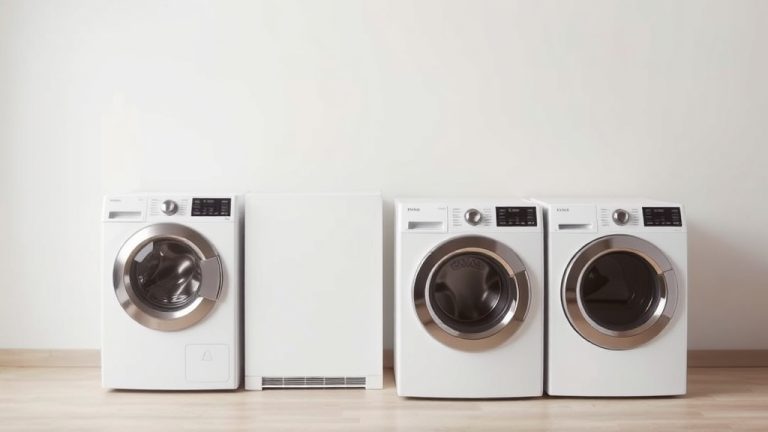
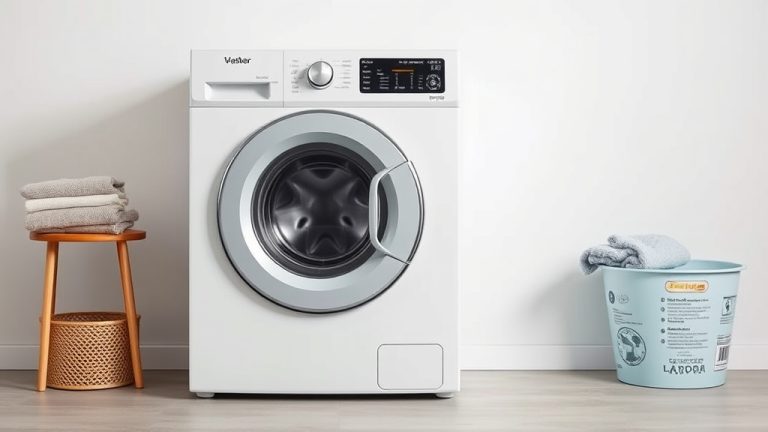
The most obvious difference is how you load them. With a front loader, you open a door on the front to toss your clothes in. With a top loader, the door is on top. But that simple difference in design leads to some significant performance variations.
How Front Loaders Work
Front load washers use an axis drum that spins horizontally. Your clothes tumble through a small amount of water, creating a waterfall effect. This tumbling action is key to their effective cleaning power. It’s like a gentle massage for your clothes, lifting dirt away without excessive agitation.
How Top Loaders Work
Top load washers usually have a central agitator or an impeller at the bottom of the drum. The agitator is a tall, finned pole that twists back and forth, forcing clothes to move through more water. Impeller models use a low-profile disc or cone that spins, creating currents to move clothes.
Performance: Which Cleans Better?
When it comes to getting your clothes truly clean, front loaders often have an edge. Their tumbling action is quite effective at removing stains and soil.
Cleaning Power Compared
We found that studies and consumer reports often rate front load washers higher for overall cleaning performance. The way they move clothes around in less water can provide a more thorough clean. It allows the detergent to penetrate fabrics better.
Top loaders can do a good job, especially with the agitator models. However, they sometimes struggle with very large loads or heavily soiled items. Clothes can get tangled around the agitator, leading to uneven cleaning.
Gentleness on Fabrics
If you have delicate items or want your clothes to look newer for longer, a front loader is often the better choice. The absence of a central agitator means less friction and stretching of your garments. This gentler action helps extend the life of your clothes.
While modern top loaders have improved, the inherent design can still be a bit rougher on fabrics. That constant twisting and turning, especially with an agitator, can cause more wear and tear over time.
Efficiency: Water and Energy Savings
This is where front loaders really shine and can save you money. They are designed to use significantly less water per load.
Water Usage
Front loaders use about 15 to 30 gallons of water per load. This is far less than most traditional top loaders, which can use 30 to 45 gallons or even more (U.S. Department of Energy). Less water means less energy is needed to heat that water, which leads to lower utility bills.
Energy Consumption
Because they use less water and often have more efficient spin cycles, front loaders tend to be more energy-efficient overall. Their high-speed spin cycles extract more water from clothes, meaning they spend less time in the dryer. This can translate into savings on your electricity bill and a shorter drying time.
Convenience and Features
Both types of washers offer various features, but the user experience can differ.
Capacity and Loading
Front loaders typically offer larger capacities. You can often fit more into a single load. Loading clothes into a front loader requires bending down, which can be a challenge for some people. However, many people opt for pedestals to raise the machines, making loading and unloading easier.
Top loaders are easier to load if you have mobility issues. You just drop clothes in from the top. However, their capacity might be more limited, especially if they have a central agitator.
Cycle Times and Settings
Historically, top loaders had much faster wash cycles. However, front loaders have caught up, and many offer quick wash options. Both types now come with a wide array of cycles for different fabric types and soil levels.
Cost: Upfront vs. Long-Term
When you’re shopping, you’ll notice a price difference.
Purchase Price
Generally, top load washers have a lower upfront cost. You can often find a basic top loader for less than a comparable front loader. If budget is your absolute top priority right now, a top loader might seem more appealing.
Operating Costs
This is where the story changes. Over the lifespan of the machine, a front loader’s water and energy savings can make it cheaper to own. The reduced utility bills often outweigh the higher initial purchase price. Think of it as an investment in lower monthly expenses.
Maintenance and Potential Issues
Each type has its own set of considerations when it comes to upkeep.
Front Loader Quirks
Front loaders can sometimes develop mold or mildew around the door seal if not properly maintained. Leaving the door ajar between washes and wiping down the seal regularly can prevent this. They can also sometimes vibrate more during high-speed spins if not perfectly balanced.
Top Loader Considerations
Top loaders, especially those with agitators, can be prone to mechanical issues over time. Clothes can also get tangled or unbalanced, sometimes requiring you to redistribute the load.
Your Washing Machine Checklist
To help you decide, consider these points:
- Do you prioritize the absolute best cleaning performance?
- Are you looking for the greatest water and energy efficiency?
- Do you want to be gentler on your clothes to make them last longer?
- Is a lower upfront purchase price your main concern?
- How much space do you have, and what capacity do you need?
- Are there any mobility considerations for loading and unloading?
| Feature | Front Load Washer | Top Load Washer |
|---|---|---|
| Cleaning Performance | Generally Superior | Good, but can be less effective on large loads |
| Fabric Care | Gentler on clothes | Can be harsher, especially with agitator |
| Water Efficiency | High | Lower |
| Energy Efficiency | High | Lower |
| Upfront Cost | Higher | Lower |
| Long-Term Cost | Lower (due to savings) | Higher (due to utility bills) |
| Capacity | Often Larger | Can be smaller, especially with agitator |
| Ease of Loading | Requires bending (unless on pedestal) | Easier to load |
| Maintenance | Requires door seal care | Potential for tangling/imbalance |
Conclusion
After looking at all the details, it’s clear that for most households, a front load washer is the superior choice. You get better cleaning power and your clothes are treated more gently. Plus, the long-term savings on water and energy bills make it a smart investment. While a top loader might have a lower purchase price, the ongoing costs and performance of a front loader usually win out. So, if you’re ready for a laundry upgrade that offers performance and savings, consider making the switch to a front load machine.
Frequently Asked Questions
Can a top load washer really clean as well as a front load washer?
Front load washers generally offer superior cleaning performance due to their tumbling action. They can be more effective at removing tough stains and soil compared to most top loaders, especially with larger or heavily soiled loads. While top loaders have improved, front loaders often still have the edge in deep cleaning capabilities.
Are front load washers more expensive to maintain in the long run?
While front loaders can be more expensive upfront, their long-term operating costs are typically lower due to better water and energy efficiency. Maintenance is generally straightforward for both types. You just need to be mindful of keeping the door seal clean on a front loader to prevent mold or mildew.
Which type of washer is better for small laundry spaces?
Both front and top load washers come in various sizes. However, front loaders are often designed with more advanced features and higher capacities within a standard footprint. Some compact front load models are available and can be quite efficient, making them a good option for smaller homes or apartments.
Will a front load washer save me a noticeable amount on utility bills?
Yes, you can expect noticeable savings. Front load washers use significantly less water per load, which reduces the energy needed to heat that water. Their efficient spin cycles also extract more moisture, cutting down on dryer time. These combined savings can lead to lower electricity and water bills over time.
Is the bending required for front loaders a major issue?
For some individuals, the bending can be a concern. However, this is easily addressed by purchasing a washer pedestal. Pedestals raise the machine to a more comfortable height, making loading and unloading much easier without the need to stoop. Many people find this greatly improves the convenience of using a front loader.