Front Load vs Top Load Washer: Which Is Best For You
When comparing a front loading washing machine vs top loader, the front loader generally wins for better cleaning performance and water efficiency. While top loaders might seem quicker, front loaders are designed to handle clothes more gently and use less water and energy over time. It’s a trade-off between initial cost and long-term savings.
Many people wonder which type is truly better for their household needs. We found that both styles have their pros and cons, impacting everything from how clean your clothes get to the space you have available. Understanding these differences helps you make the smartest choice for your laundry room.
- Front loaders clean better and are more water-wise.
- Top loaders are often cheaper upfront and faster.
- Consider energy bills and gentleness on clothes.
- Think about your budget and available space.
We’ve gathered the key points to help you decide which washing machine style is the best fit for your home. Let’s break down the front loader versus top loader debate.
Deciding between a front load washer and a top load washer involves looking at a few key differences. You’re probably wondering which one will actually get your clothes cleaner and save you money. We’ve researched both to help you see the pros and cons clearly.
Front Load vs. Top Load Washers: A Closer Look
The main difference really comes down to how they wash clothes and how they operate. Front loaders use gravity and tumbling action. Top loaders use an agitator or an impeller. This design choice impacts everything from cleaning power to how much water they use.
Cleaning Performance: Which Gets Clothes Cleaner?
When it comes to pure cleaning power, front load washers often have an edge. Their tumbling action is very effective at removing dirt and stains. They move clothes through the water and detergent in a way that mimics hand washing more closely. This means less wear and tear on your fabrics too.
Water and Energy Efficiency: The Green Choice
If you’re eco-conscious or just want to save on your utility bills, front loaders are usually the way to go. They use significantly less water per load. Because they use less water, they also require less energy to heat that water. Many front loaders are Energy Star certified, meaning they meet strict efficiency standards set by the EPA. We found that over the lifespan of the machine, these savings can add up considerably.
Top loaders, especially older models with a central agitator, tend to use much more water. They need enough water to submerge the clothes completely. Some newer high-efficiency (HE) top loaders are much better, using less water than traditional ones but still often more than front loaders. For example, a typical front loader might use around 10-15 gallons of water per load, while a traditional top loader could use 30-40 gallons (Consumer Reports research).
Cycle Times: Speed vs. Thoroughness
Are you always in a hurry? Top load washers generally have shorter wash cycles. If you have a busy schedule, this can be a major advantage. A typical top load cycle might finish in 30-40 minutes. Front loaders often take longer, sometimes an hour or more for a full cycle.
However, we found that the faster cycles on some top loaders might not clean as deeply. They can also be rougher on clothes. Many front loaders have quick wash options for lightly soiled items. It’s a trade-off between saving time and ensuring a thorough clean.
Capacity and Loading: Space Matters
When you think about loading, there’s a big difference. Front loaders require you to bend down to load and unload. This can be uncomfortable for people with back or knee issues. On the flip side, the drum is often larger, allowing you to wash bigger loads, like king-size comforters.
Top loaders are easier to load and unload because you can stand upright. You can also toss in an extra sock mid-cycle if you forget something. However, the capacity might be limited by the agitator in some models. Even HE top loaders, which lack a central agitator, might not hold quite as much as a comparable front loader.
Maintenance and Potential Issues
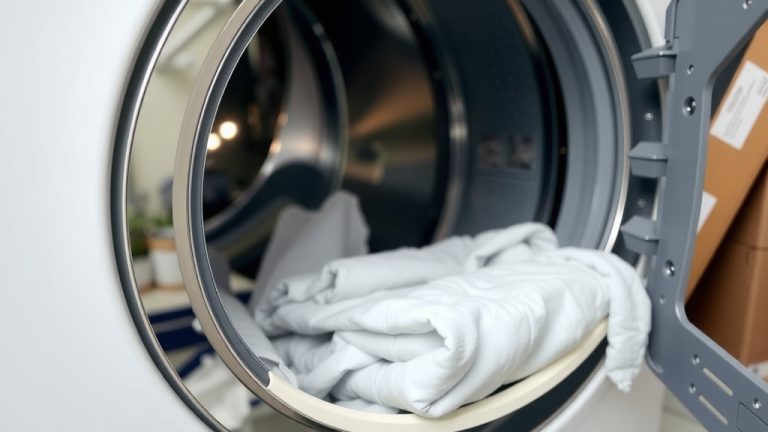
Front loaders are known for their advanced cleaning but can sometimes develop mold or mildew around the door seal if not maintained properly. It’s important to wipe down the seal after each use and leave the door ajar to allow air circulation. Many experts also recommend running a cleaning cycle with hot water and vinegar or a special washing machine cleaner every month or two (Cleveland Clinic guidelines).
Top loaders, especially older models with agitators, can sometimes wear out clothes faster. The agitator can cause friction and stretching. However, they generally have simpler mechanisms and might require fewer specialized repairs.
Cost: Upfront vs. Long-Term Savings
Let’s talk about your wallet. Generally, top load washers are less expensive upfront. You can find a basic, reliable top loader for a lower price point than a comparable front loader. This makes them a popular choice for budget-conscious shoppers.
However, when you look at the long term, front loaders can save you money. Their superior water and energy efficiency means lower utility bills each month. While the initial investment might be higher, the ongoing savings can often offset that difference over the machine’s life. We’ve seen studies indicating that the energy and water savings from a front loader can amount to hundreds of dollars over a decade.
Here’s a quick comparison table for you:
| Feature | Front Load Washer | Top Load Washer |
|---|---|---|
| Cleaning Performance | Excellent; gentle on clothes | Good to very good; can be harsher |
| Water Efficiency | Very high | Moderate to low |
| Energy Efficiency | Very high | Moderate to low |
| Cycle Time | Longer | Shorter |
| Ease of Loading | Requires bending | Easier; stand upright |
| Upfront Cost | Higher | Lower |
| Long-Term Cost | Lower (utilities) | Higher (utilities) |
| Tendency for Mold/Mildew | Possible around seal | Less common |
Making Your Decision: What to Consider Next
So, which one is right for your home? It really depends on your priorities. Think about what matters most to you. Are you focused on the lowest purchase price? Do you need the fastest wash times? Or is saving water and energy your main goal?
Consider the space you have. Some laundry rooms might have limitations that favor one type over the other. Also, think about who will be using the machine. If mobility is a concern, a top loader might be a more practical choice.
Checklist for Choosing Your Washer:
- Budget: How much can you spend now and over time?
- Space: Measure your laundry area carefully.
- Time: How important are fast wash cycles to you?
- Cleaning Needs: Do you tackle tough stains often?
- Physical Comfort: Consider bending and lifting.
- Environmental Impact: How important is water and energy savings?
Conclusion
Choosing between a front load and top load washer boils down to your personal priorities. Front loaders generally offer superior cleaning and are more efficient, saving you money on utilities over time. Top loaders often come with a lower initial price and quicker cycles, which can be appealing for busy households. We found that considering your budget, available space, and physical comfort is key to making the best choice for your home. Take a moment to weigh these factors, and you’ll be well on your way to a cleaner, more efficient laundry routine.
Frequently Asked Questions
Do front loaders really clean better than top loaders?
Yes, research and testing often show front loaders have an edge in cleaning performance. Their tumbling action is very effective at lifting dirt and stains. They also tend to be gentler on fabrics, meaning your clothes may last longer.
Can I fit a large comforter in either type of washer?
Generally, front loaders have larger drum capacities and are better suited for bulky items like king-size comforters. While some high-efficiency top loaders can handle them, it’s less common.
How can I prevent mold or mildew in my front load washer?
To prevent mold, it’s important to wipe down the door seal after each use. Leaving the door ajar to allow air circulation is also crucial. Running a cleaning cycle with vinegar or a specialized cleaner monthly helps keep it fresh.
Are top loaders easier to use for someone with mobility issues?
For many, top loaders are easier to use as they don’t require bending down to load and unload. This can be a significant comfort factor if you have back or knee concerns.
Which type of washer will save me more money in the long run?
Front load washers typically save you more money over their lifespan. Their advanced efficiency means lower water and energy bills each month, which can add up significantly over several years.