Top Loader vs Front Loader Washer: Which is Best
When deciding between a top loader washing machine and a front loader, the key difference comes down to cleaning performance and water usage. Front loaders generally offer superior cleaning power and are more water-efficient, while top loaders often come with a lower upfront cost and faster wash cycles. Many experts suggest front loaders are the better overall choice for most households.
Choosing the right washing machine impacts your laundry routine and your utility bills. We found that front-loaders are often gentler on clothes and provide better spin cycles to remove more water, leading to shorter drying times. Top-loaders, especially older models, can be harder on fabrics and use more water. Considering your budget and laundry habits is essential for making the right decision.
- Front loaders clean better and use less water.
- Top loaders are usually cheaper and faster.
- Front loaders are gentler on clothes.
- Consider your budget and laundry needs.
Let’s dive into the details to help you find the perfect washing machine for your home.
Top Loaders vs. Front Loaders: Which Washer Is Right for You?
Deciding between a top-load and a front-load washing machine can feel like a big decision. Both do the job of cleaning clothes, but they go about it in very different ways. We’ve looked into what makes each type tick to help you make the best choice for your household’s needs.
How Top Load Washers Work: The Agitator vs. Impeller Debate
Top-load washing machines have been around for a long time. They are known for their ease of use and often a lower purchase price. When you think of a traditional washing machine, you’re probably picturing a top-loader. There are two main types of top-loaders you’ll encounter today.
The Classic Agitator Top Loader
These machines have a central post, called an agitator, that twists and turns. This agitator scrubs your clothes against each other and the sides of the tub. It’s a powerful cleaning action that many people are familiar with. However, this vigorous motion can be tough on fabrics.
Research indicates that agitator models tend to use more water than other types. This is because they need to fill the tub completely to ensure clothes move freely. They can also be harder on your garments, potentially leading to more wear and tear over time.
The High-Efficiency (HE) Top Loader with an Impeller
These newer top-loaders use a low-profile cone or disc at the bottom of the drum, called an impeller. Instead of a central post, the impeller uses friction and tumbling to move clothes. This method is gentler on your laundry. It also allows for more items to be washed at once.
HE top-loaders typically use less water than their agitator counterparts. They are designed to get clothes clean through a more sophisticated tumbling action. Many consumers find these a good compromise between the old-school agitator models and front-loaders.
How Front Load Washers Work: The Tumbling Action
Front-load washing machines clean clothes by tumbling them. The drum rotates, lifting clothes and dropping them back into the water. This motion is similar to how a dryer works but with water and detergent. It’s a very effective way to get clothes clean without harsh scrubbing.
Many experts agree that this tumbling action is significantly gentler on fabrics. This can extend the life of your clothes. Front-loaders are also highly efficient when it comes to water and energy usage. They use gravity to help with the cleaning process, requiring less water to wet the clothes.
Spin Cycles: The Key to Faster Drying
One of the biggest advantages of front-loaders is their high spin speeds. They can spin much faster than most top-loaders. This means they extract more water from your clothes before the drying cycle begins. What does this mean for you? Shorter drying times and lower energy bills for your dryer.
We found that clothes from a front-loader often come out noticeably drier than those from a top-loader. This can shave precious minutes, or even hours, off your overall laundry time, especially if you have a large family or a lot of laundry to do.
Comparing Key Features: A Side-by-Side Look
Let’s break down the main differences you’ll see when comparing these two types of machines. It’s helpful to see the pros and cons laid out clearly.
| Feature | Top Loader (Agitator) | Top Loader (HE Impeller) | Front Loader |
|---|---|---|---|
| Cleaning Action | Agitator scrubs clothes | Impeller tumbles clothes gently | Tumbling action, gentler |
| Water Usage | High | Medium-Low | Low |
| Energy Efficiency | Lower | Medium-High | High |
| Gentleness on Clothes | Harsher | Gentle | Very Gentle |
| Cycle Time | Faster | Medium | Longer (but faster drying) |
| Upfront Cost | Lower | Medium | Higher |
| Ergonomics | Easy to load/unload, no bending | Easy to load/unload, no bending | Requires bending, pedestals help |
| Mold/Mildew Potential | Low | Low | Higher (requires maintenance) |
Capacity and Loading: What Fits and How Easy Is It?
When it comes to how much laundry you can fit, both HE top-loaders and front-loaders often offer large capacities. The impeller design in HE top-loaders allows for more clothes than traditional agitator models. Front-loaders, with their open drum, can also handle very large loads. The main difference here is convenience.
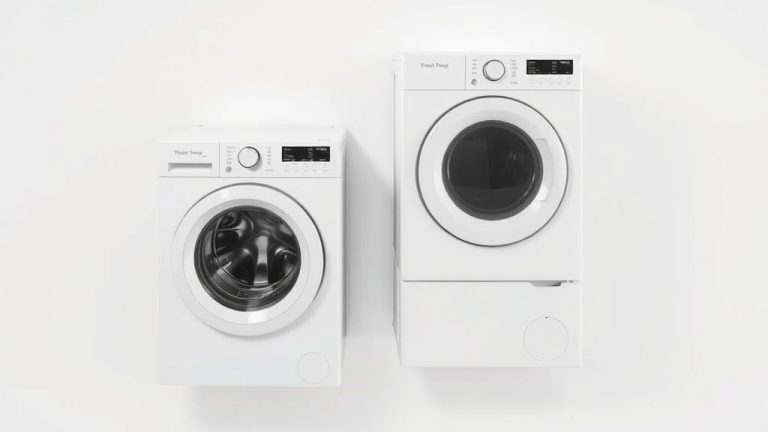
Top-loaders require no bending to load or unload. This is a huge plus for many people, especially those with back issues. Front-loaders, on the other hand, mean you’ll be bending down unless you opt for a pedestal. However, many find the improved cleaning and efficiency of front-loaders worth the slight inconvenience.
Maintenance and Hygiene: Keeping Things Fresh
One area where front-loaders sometimes get a bad rap is mold and mildew. Because the door seal creates a tight barrier, moisture can get trapped. This can lead to odors if not managed properly. Manufacturers recommend leaving the door ajar after use and running a cleaning cycle regularly (often with bleach or a specialized cleaner).
Top-loaders, especially older agitator models, don’t have this issue. The lid allows for better air circulation, preventing moisture buildup. Regular HE top-loaders are also less prone to this than front-loaders. For those who want a truly low-maintenance machine, a top-loader might be more appealing.
Which Type is Best for Your Home? Let’s Figure It Out!
So, after all this information, how do you choose? Think about your priorities. What matters most to you in a washing machine?
- Budget: If upfront cost is your main concern, a traditional agitator top-loader is likely your cheapest option.
- Clothes Care: If you want your clothes to last longer and look better, a front-loader is often the better choice due to its gentler cleaning action.
- Water and Energy Savings: Front-loaders consistently win in this category. They use significantly less water and energy, which can save you money on utility bills over time.
- Cleaning Performance: For tough stains and overall cleanliness, front-loaders generally provide superior results.
- Time: While front-loader wash cycles can be longer, their higher spin speeds mean clothes dry faster. This can speed up your entire laundry process.
- Convenience: If bending is an issue, a top-loader is more convenient for loading and unloading.
Many consumer reports and appliance experts point to front-loaders as the superior overall performer for cleaning, efficiency, and fabric care. However, the best washing machine is the one that fits your lifestyle, budget, and specific needs. Weighing these factors will guide you to the right decision.
Quick Checklist for Your Decision
To help you make a final decision, consider these points:
- Are you sensitive to bending?
- What’s your budget for a new washer?
- Do you prioritize energy savings?
- How gentle do you need the wash cycle to be?
- How much laundry do you do weekly?
- Are you prepared for regular cleaning of the door seal (for front-loaders)?
Conclusion
Choosing between a top-loader and a front-loader washer ultimately comes down to your personal priorities. If your main concern is saving money upfront and you prefer a simpler operation, a top-loader might be your best bet. However, if you’re looking for superior cleaning performance, gentler fabric care, and significant water and energy savings over time, a front-loader is often the smarter investment. We’ve found that for most households, the long-term benefits of a front-loader outweigh the initial cost. Take a moment to consider your laundry habits and budget. Your perfect washing machine is out there!
Frequently Asked Questions
Can I really save money with a front-load washer?
Yes, you can save money in the long run. Front-loaders use much less water and energy per load. This translates to lower utility bills for both water and electricity. While the initial purchase price might be higher, the savings add up over the years.
Are top-loaders bad for clothes?
Traditional agitator top-loaders can be harsher on fabrics due to the central post’s scrubbing action. However, newer High-Efficiency (HE) top-loaders with impellers offer a gentler wash. We found that front-loaders are generally the gentlest option for your clothing.
How do I prevent mold and mildew in my front-load washer?
To prevent odors and mold, it’s important to perform regular maintenance. Always leave the door slightly ajar after each use to allow for air circulation. Running a monthly cleaning cycle with a washer cleaner or bleach will also keep it fresh.
Which type of washer is faster?
Top-loaders, especially older agitator models, typically have faster wash cycles. However, front-loaders have much higher spin speeds that extract more water. This means your clothes will dry faster in the dryer, potentially reducing your overall laundry time.
Are HE top-loaders a good compromise?
Yes, HE top-loaders offer a good middle ground. They use less water than traditional agitator models and are gentler on clothes thanks to the impeller design. They also provide the easy loading convenience of top-loaders without the bending required for front-loaders.