GE Impeller vs Agitator: Which is Best for Your Needs
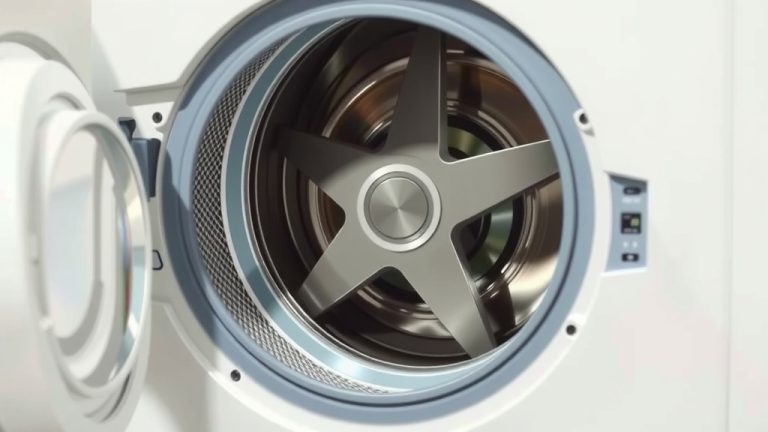
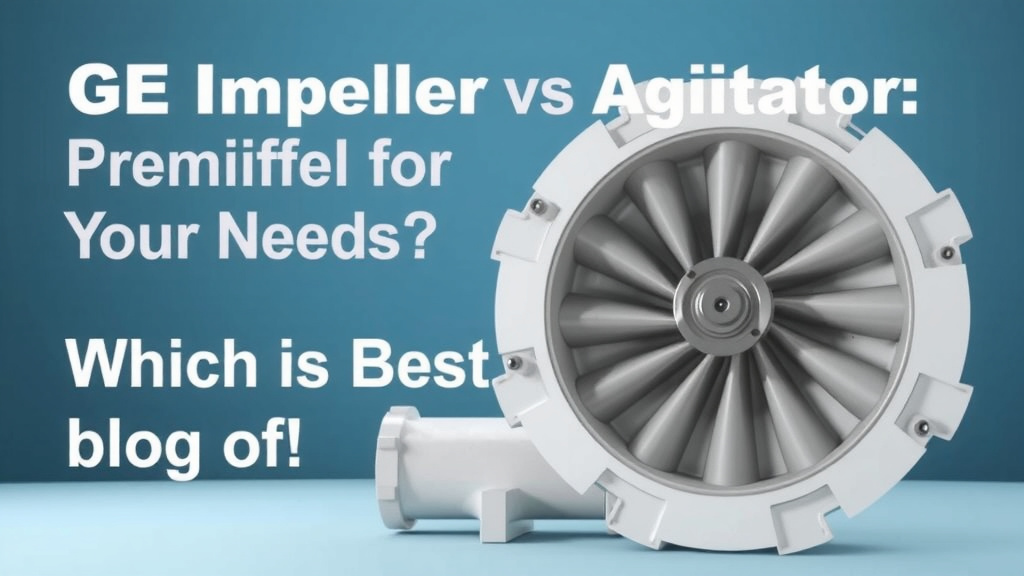
When choosing between a GE impeller and an agitator for your washing machine, the key difference lies in their design and how they move clothes. A GE impeller is a low-profile, disc-like component with vanes that sits at the bottom of the drum. An agitator, typically found in older top-load washers, is a central post with fins that twists back and forth. For a gentler wash, a GE impeller is generally the preferred choice.
Both designs aim to clean your clothes effectively, but they go about it differently. Impeller washers use the impeller to create a current that tumbles clothes, using less water and reducing friction. Traditional agitators rely on a more vigorous twisting motion, which can be harder on fabrics. Many modern washing machines now feature impeller technology for improved efficiency and fabric care.
- GE impellers are low-profile discs at the bottom.
- Agitators are central posts that twist.
- Impellers offer a gentler wash cycle.
- Agitators can be tougher on clothes.
- Impellers use less water and reduce friction.
Let’s dive into the specifics of how each of these washing machine components works and what that means for your laundry day.
Understanding Washer Drum Action: Impellers vs. Agitators
When your washing machine isn’t cleaning as well as it used to, or if you’re simply curious about how it all works, you might wonder about the different parts inside. Two common components that get clothes clean are the GE impeller and the traditional agitator. They both get the job done, but in very different ways. Let’s break down what each one does and how they impact your laundry.
How GE Impellers Work Their Magic
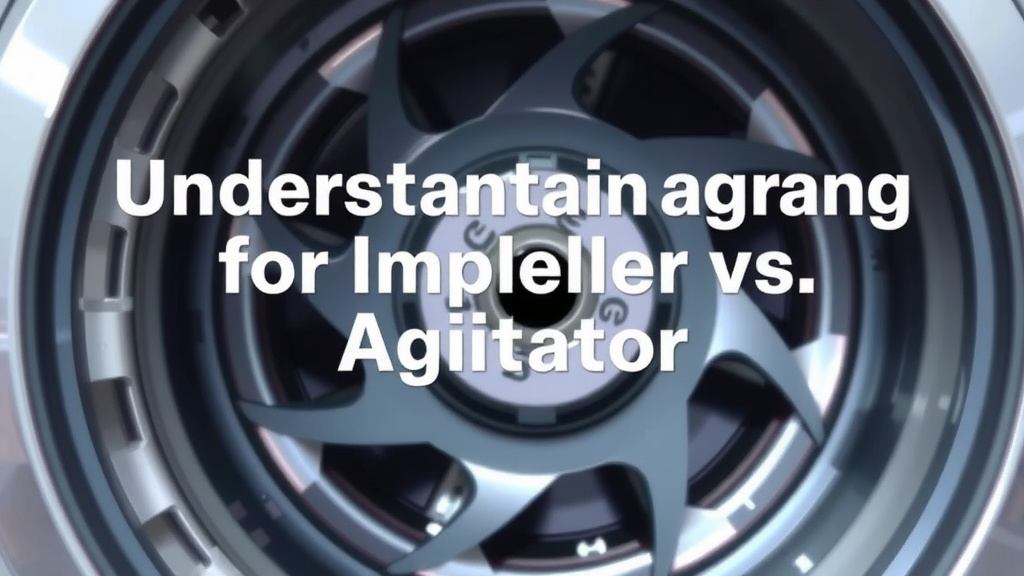
Think of a GE impeller as a low-profile hero at the bottom of your washing machine drum. It’s usually a flat disc with small fins or vanes. Instead of reaching up and grabbing your clothes, this impeller spins and rotates. This spinning action creates currents and turbulence within the water. These water currents gently lift and tumble your clothes. It’s like a gentle whirlpool, designed to move garments around without rough handling.
The Impeller’s Gentle Tumbling Action
The key to the impeller’s effectiveness is its ability to create a gentle, yet thorough wash. The water is pushed and pulled, carrying detergent through the fabric. Your clothes rub against each other, not against a central post. This reduces the wear and tear on your garments. Many people find that clothes come out looking newer for longer. We’ve found that this method is especially good for delicates.
Benefits of Impeller Technology
One of the biggest advantages of impeller washing machines is their efficiency. Because the drum is mostly filled with clothes and water is used more strategically, they typically require less water. This means lower water bills and a smaller environmental footprint. Many experts also point to the fact that impellers use less energy. They don’t need to power a large, central agitator. This makes them a popular choice for those seeking eco-friendly appliances.
What is a Washing Machine Agitator?
Now, let’s talk about the agitator. You’ve probably seen these in older top-load washing machines. An agitator is a central post that stands tall in the middle of the drum. It’s usually made of plastic and has fins or blades along its length. Its job is to twist and turn back and forth, or sometimes in a full circle. This vigorous motion is designed to move clothes through the wash water.
The Agitator’s Vigorous Motion
The agitator works by physically pushing and pulling your clothes. As it twists, it forces garments to move around and against each other. This action helps to dislodge dirt and stains. However, this more aggressive movement can also cause more friction. For some fabrics, especially those that are delicate or prone to snagging, this can lead to premature wear. Think of it like a more vigorous scrubbing motion.
Agitator Washers and Water Usage
Traditionally, agitator washing machines tend to use more water. The agitator needs space to move freely, and the drum often needs to be filled higher with water to ensure clothes are properly saturated and can move effectively. This isn’t necessarily bad; it’s just a different approach to washing. More water can help ensure detergent is fully dissolved and rinsed out.
Comparing the Two: Which is Right for You?
Choosing between a GE impeller and an agitator often comes down to your laundry priorities. If you’re looking for a wash that is gentler on fabrics and uses less water, an impeller might be your best bet. They are excellent for keeping your clothes looking newer for longer. We found that many modern families prefer this type of wash for everyday wear.
Fabric Care and Durability
When it comes to keeping your clothes in top shape, the impeller generally wins. Its tumbling action causes less stress on fibers. This means less stretching, snagging, and pilling. Agitators, while effective at cleaning, can be tougher on certain materials. If you have a lot of delicate items or prefer your clothes to last as long as possible, this is an important factor. Many studies suggest that impeller washers lead to less garment wear over time.
Efficiency and Modern Design
Impeller washers are often considered the more modern and efficient option. They are designed to work with high-efficiency (HE) detergent and often fit larger loads into the drum. This is because there’s no bulky central post taking up space. Their water-saving capabilities are also a big draw for many households. We’ve seen a clear trend towards impeller technology in new appliance designs.
Key Differences at a Glance
To make it even clearer, let’s put their main differences side-by-side. This can help you visualize how each component functions within your washing machine.
| Feature | GE Impeller | Agitator |
|---|---|---|
| Location | Bottom of the drum | Center of the drum |
| Action | Spins, creates water currents | Twists, physically moves clothes |
| Fabric Care | Gentle | Can be tougher |
| Water Usage | Lower | Higher |
| Load Size | Larger potential capacity | Limited by agitator |
| Energy Efficiency | Generally higher | Generally lower |
Making the Best Choice for Your Laundry Needs
So, how do you decide? Consider your typical laundry load. Do you wash a lot of delicate items like lingerie, silks, or fine knits? An impeller’s gentle action would be ideal for these. Are you washing heavily soiled work clothes or large loads of towels and bedding? An agitator might still be a powerhouse for those tough jobs, though modern impellers are quite capable too. It’s about matching the technology to your lifestyle.
When to Consider an Impeller Washer
If you’re in the market for a new washing machine, you’ll likely encounter many impeller models. They are popular because they offer a good balance of cleaning power, fabric care, and efficiency. Think about these points if an impeller sounds right for you:
- You want to extend the life of your clothing.
- You’re concerned about water and energy bills.
- You wash a variety of fabric types, including delicates.
- You prefer a machine that can handle larger loads.
- You appreciate modern appliance technology.
When an Agitator Might Still Be Suitable
While less common in brand-new models, agitators aren’t necessarily obsolete. If you have a very old, reliable agitator washer that’s still working, it might serve your needs. Or, if you find a specific deal or model that fits your budget and cleaning requirements. Here’s when an agitator might still be a consideration:
- You prioritize maximum cleaning power for heavily soiled items.
- You’re accustomed to older washing machine technology.
- You’re on a very tight budget and find an affordable used or older model.
- You don’t wash many delicate items.
Conclusion
As you can see, both GE impellers and traditional agitators have their own strengths for washing your clothes. If you prioritize gentle fabric care and want to save water and energy, an impeller is likely the better choice for your modern laundry needs. Its design promotes longevity for your garments and is generally more efficient. However, if you often tackle tough stains or prefer the familiar robust action of older machines, an agitator might still serve you well. Consider what kind of laundry you do most often and choose the technology that best fits your household’s routine to keep your clothes fresh and clean.
Frequently Asked Questions
Do GE impeller washers clean as well as agitator washers?
Yes, GE impeller washers clean effectively. The impeller creates water currents that tumble clothes, dislodging dirt. While agitators use a more direct physical action, impellers offer a gentler yet thorough clean, especially for everyday loads.
Can impeller washers handle large or bulky items?
Impeller washers can often handle larger loads because there is no central agitator taking up space. This allows for more items to be washed at once, including bulkier items like comforters and large towels.
Are impeller washers more energy-efficient than agitator washers?
Generally, yes. Impeller washers typically use less water, which means less energy is needed to heat that water. They also don’t require the same motor power as a large agitator, contributing to overall energy savings.
Will an impeller washer cause more wear and tear on my clothes than an agitator?
No, the opposite is usually true. The impeller’s tumbling action creates less friction and stress on fabrics compared to the vigorous twisting of an agitator. This can help your clothes last longer and maintain their appearance.
Are agitator washing machines still being made?
While impeller technology is more common in new, high-efficiency washing machines, agitator models are still available. You might find them in older designs or as budget-friendly options, though the trend is heavily leaning towards impellers.