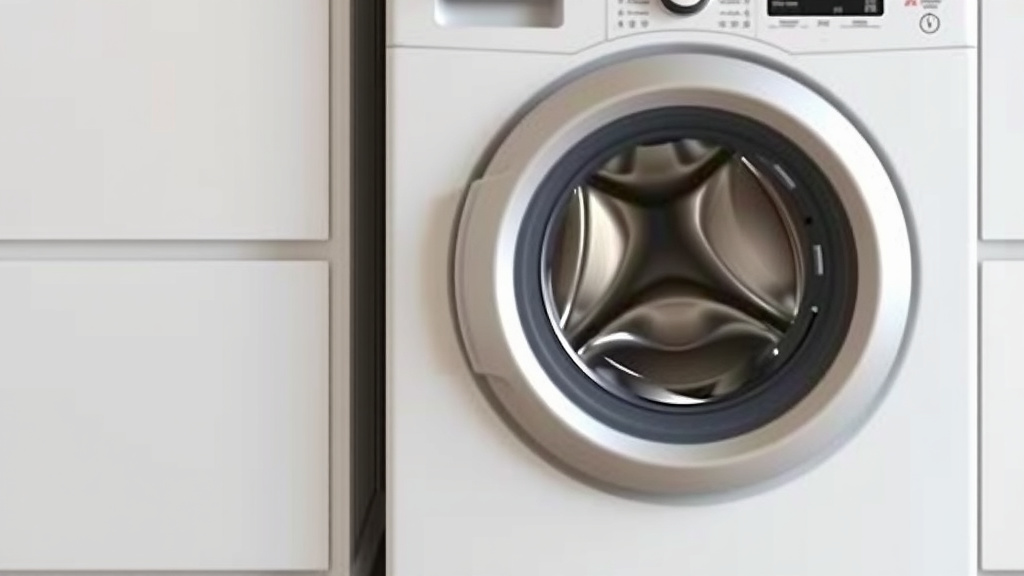
Full Front Load Washer Guide: Your Ultimate Cleaning Solution
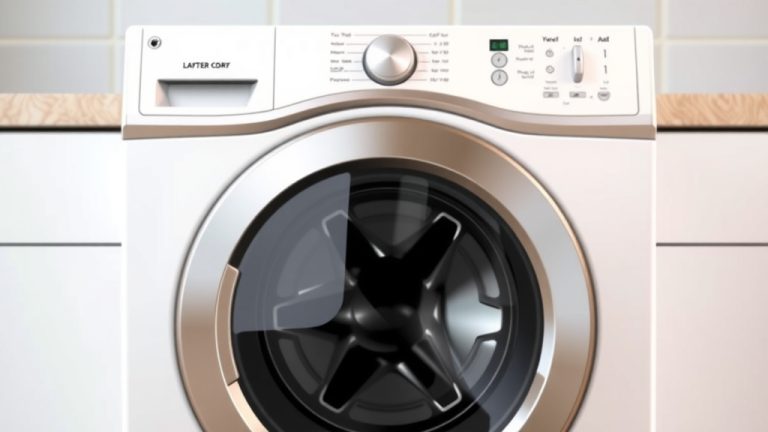
Yes, a full front load washer can be a fantastic choice for your laundry needs. It uses less water and energy than older top-load models. You’ll find your clothes come out cleaner and with fewer wrinkles. These washers are known for their gentle treatment of fabrics and their efficient performance.
When you think about front load washers, picture a machine that tumbles your clothes like a dryer. This action helps clothes get thoroughly cleaned with less water. Many people find they save money on utility bills over time. It’s a smart investment for your home and your clothes. Many models also offer You can save money on utility bills over time with a front load washer.advanced features.
- Front load washers use less water and energy.
- They clean clothes gently and effectively.
- Your laundry comes out with fewer wrinkles.
- You can save money on utility bills.
- They offer many modern washing features.
We’ve researched how these machines work and what makes them a popular choice. Let’s walk through what makes a full front load washer so effective for your household.
How Front Load Washers Work Their Magic
Front load washers are designed for superior cleaning. They use a tumbling action to move clothes through water. This mimics how you might hand-wash clothes. It’s a much gentler way to get things clean. Unlike older top-loaders, they don’t rely on a central agitator. This means less wear and tear on your garments.
The Tumbling Action: A Gentle Giant
Imagine your clothes gently falling and rolling inside the drum. This is the core of how a front loader works. The drum spins, lifting clothes to the top. Then, they tumble back down into the water and detergent. This constant motion loosens dirt and stains effectively. It also ensures detergent reaches every part of the load.
Less Water, More Clean
One of the biggest benefits is their water efficiency. Front loaders use significantly less water than traditional top-load machines. They only need enough water to saturate the clothes. This is because the drum is only partially filled. This saves you money on your water bill. It’s also better for the environment. Research consistently shows these machines use up to 40% less water (Consumer Reports).
Energy Savings Too
Beyond water, front loaders are also energy-efficient. The high spin speeds extract more water from clothes. This means your dryer doesn’t have to work as hard. Less dryer time means less electricity or gas used. Over the lifetime of the appliance, these savings add up. Many models are Energy Star certified, confirming their efficiency.
What About Detergent?
You’ll need to use a high-efficiency (HE) detergent. These detergents are specifically designed for low-water washing. They produce fewer suds. Too many suds can actually hinder the cleaning process in a front loader. They can also leave residue on your clothes. Always check your washer’s manual for detergent recommendations.
Features You’ll Love in a Front Load Washer
Modern front loaders come packed with features. These are designed to make laundry day easier. They also help you get the best results for different fabric types.
Wash Cycles for Every Need
You’ll find a wide variety of wash cycles. There are cycles for delicates, heavy-duty items, and everyday wear. Some machines even have specialized cycles. These might include steam cleaning or sanitizing options. A “quick wash” cycle is great for lightly soiled items you need fast. You can really tailor the wash to your specific laundry load.
Specialized Cycles Explained
Steam cycles can help remove allergens and wrinkles. They use steam to penetrate fabrics. Sanitize cycles use higher temperatures to kill bacteria and germs. This is excellent for baby clothes or bedding. Always ensure your items can withstand the heat of these cycles.
Smart Technology and Connectivity
Many front load washers now offer smart features. You can often connect them to your home Wi-Fi. This allows you to control the machine with your smartphone. You might get notifications when a cycle is done. Some apps can even help diagnose issues. It’s a modern convenience many users appreciate.
Remote Control and Monitoring
Imagine starting a load while you’re still at work. Or getting an alert that your laundry is ready to be dried. Smart washers make this possible. You can select cycles, adjust settings, and monitor progress remotely. This flexibility can be a real time-saver for busy households.
Capacity and Load Sizes
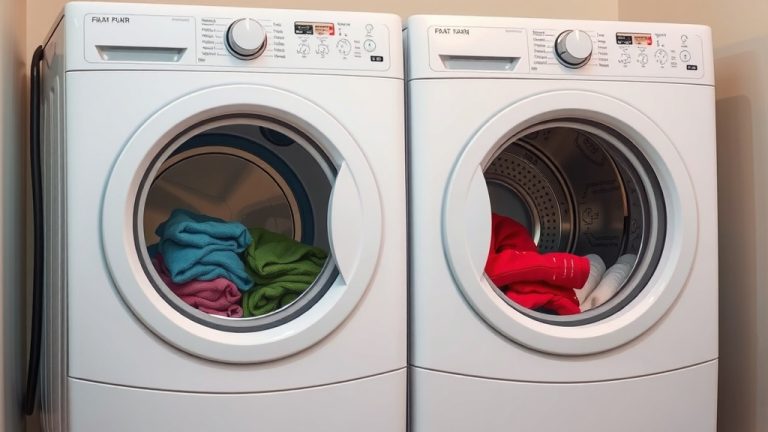
Front loaders come in various capacities. You can find smaller units for apartments or larger ones for big families. A larger capacity means you can wash more clothes at once. This reduces the number of loads you need to do. It’s important to choose a size that fits your laundry needs and your space.
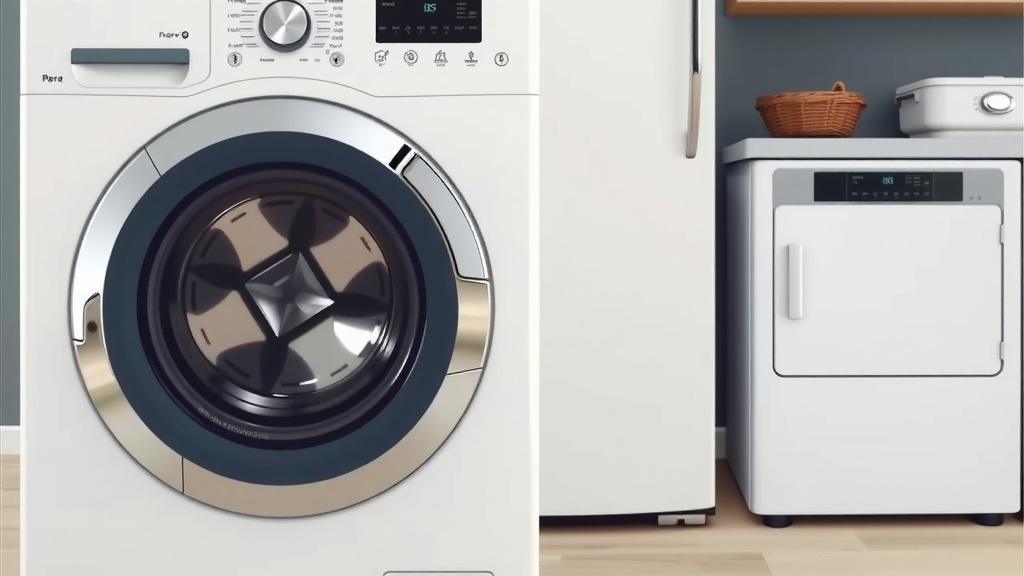
Maintaining Your Front Load Washer
Keeping your front load washer in good shape is easy. A little regular maintenance goes a long way. It ensures your machine runs efficiently for years. It also helps prevent common issues like mold or odors.
Keep the Door Seal Clean
The rubber door seal is prone to collecting moisture. This can lead to mold and mildew growth. After each wash, wipe down the seal with a dry cloth. This simple step is crucial for preventing odors. Check it regularly for any buildup.
Run Cleaning Cycles
Most manufacturers recommend running a cleaning cycle monthly. This removes detergent buildup and any lingering grime. You can use a specialized washing machine cleaner. Some machines have a self-cleaning cycle. Follow your owner’s manual for the best method. It’s like giving your washer a spa day!
Leave the Door Ajar
After you finish your laundry, leave the washer door slightly open. This allows air to circulate inside the drum. It helps dry out any residual moisture. This is another key step in preventing odors and mold. Make it a habit after every use.
Check the Filter
Some front load washers have a drain pump filter. This filter can catch small items like coins or lint. It’s usually located behind a small panel at the bottom of the machine. Check your manual for its location. Cleaning it periodically can prevent drainage issues. Be prepared for a little water when you open it!
Here’s a quick checklist for keeping your front loader in top shape:
- Wipe the door seal after each use.
- Run a cleaning cycle monthly.
- Leave the door slightly open between loads.
- Check and clean the drain pump filter periodically.
- Use only HE detergent.
- Don’t overload the machine.
Conclusion
You’ve learned how a full front load washer is a smart choice for your home. They use less water and energy, saving you money. Their tumbling action cleans clothes gently yet effectively. Plus, modern features make laundry easier than ever. By following simple maintenance tips, like keeping the seal clean and running regular cycles, you ensure your washer performs optimally for years. Ready to upgrade your laundry routine? Consider a front load washer for cleaner clothes and a greener home.
Frequently Asked Questions
Can I wash just a few items in a front load washer?
Yes, you can wash small loads, but it’s less efficient. Front loaders are designed for optimal performance with moderate to full loads. Washing only a few items wastes water and energy. For very small loads, consider using a “quick wash” cycle if available.
How do I prevent odors in my front load washer?
Odors often come from moisture and residue buildup. After each wash, wipe the rubber door seal and the inside of the door. Always leave the door slightly ajar between uses to allow air circulation. Running a monthly cleaning cycle also helps prevent mold and mildew.
Are front load washers more expensive to buy?
Generally, front load washers have a higher initial purchase price than basic top-load models. However, their superior water and energy efficiency leads to significant cost savings on utility bills over time. Many find the long-term savings make them a worthwhile investment.
What’s the best type of detergent for a front load washer?
You must use a high-efficiency (HE) detergent. These detergents are low-sudsing and formulated for the low-water environment of front loaders. Regular detergents produce too many suds, which can reduce cleaning performance and potentially damage the machine. Always check your washer’s manual for specific recommendations.
How long does a typical wash cycle take in a front load washer?
Wash cycle times can vary greatly depending on the model and the selected cycle. Standard cycles typically range from 50 minutes to over an hour. Many machines offer a “quick wash” option for lightly soiled items, which can take as little as 15-30 minutes. Specialized cycles like sanitizing might take longer.