How Big Is 3.2 Cubic Feet Refrigerator: Sizing, Storage, and Fit Guide
Ever wondered how big is 3.2 cubic feet refrigerator and whether it’s the right size for your needs? Choosing a refrigerator isn’t just about picking the first compact model you see—size matters for everything from storage capacity to kitchen fit. Many first-time buyers are surprised by what fits (or doesn’t) inside these small yet mighty appliances.
With years of experience helping consumers pick the best kitchen appliances, experts know that understanding cubic footage can be tricky. A 3.2 cubic feet refrigerator is a common size for dorm rooms, offices, or small apartments, but what does that actually look like in daily life?
Imagine trying to fit a week’s worth of groceries—milk, leftovers, a few drinks, and some fresh veggies—into your fridge. Will a 3.2 cubic feet model hold it all? This article breaks down the real-life capacity, dimensions, and best uses, so you can shop with confidence and avoid common sizing mistakes.
Ready to find out if this compact refrigerator will meet your needs? Let’s get started.
Understanding 3.2 Cubic Feet Refrigerator Capacity
When people ask, “how big is 3.2 cubic feet refrigerator,” they’re really trying to picture how much this compact appliance can store. Refrigerator capacity is measured by the total internal volume, including shelves, bins, and door compartments. For reference, 3.2 cubic feet equates to approximately 90 liters of usable space.
This size is a popular choice for dorm rooms, offices, and bedrooms—essentially, any spot where space is tight. It’s designed to hold essentials without the bulk of a full-size refrigerator. Typically, a 3.2 cubic feet model can fit:
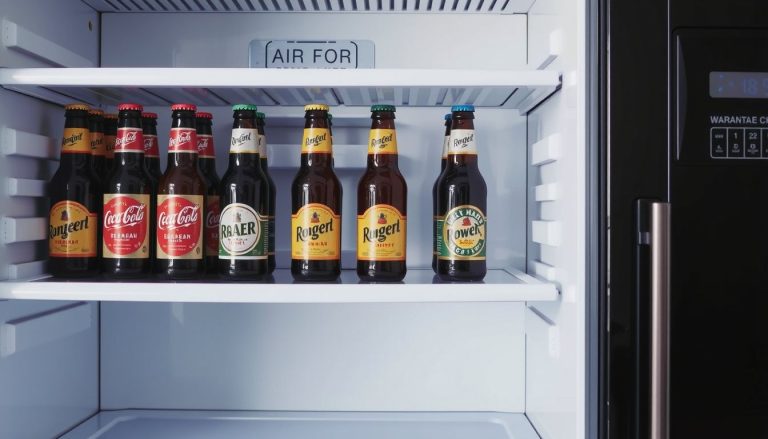
- Several 2-liter bottles or a six-pack of beverages
- About a week’s worth of lunches for one person
- Leftovers, snacks, and a small assortment of fresh produce
Consider a real-world example: a student living in a dorm uses this fridge to store a couple of meal prep containers, milk, a dozen eggs, condiments, and drinks. It’s perfect for personal use but won’t handle the grocery needs of a family. Understanding this capacity helps buyers avoid overestimating what fits inside.
Physical Dimensions: Exterior and Interior Measurements
The external and internal measurements of a 3.2 cubic feet refrigerator are crucial for ensuring it fits both the intended space and your storage needs. Most models in this category are designed for countertop or under-desk placement—making them ideal for compact living situations.
On average, a 3.2 cubic feet refrigerator measures:
- Height: 32 to 34 inches (about 81 to 86 cm)
- Width: 18 to 20 inches (about 46 to 51 cm)
- Depth: 17 to 20 inches (about 43 to 51 cm)
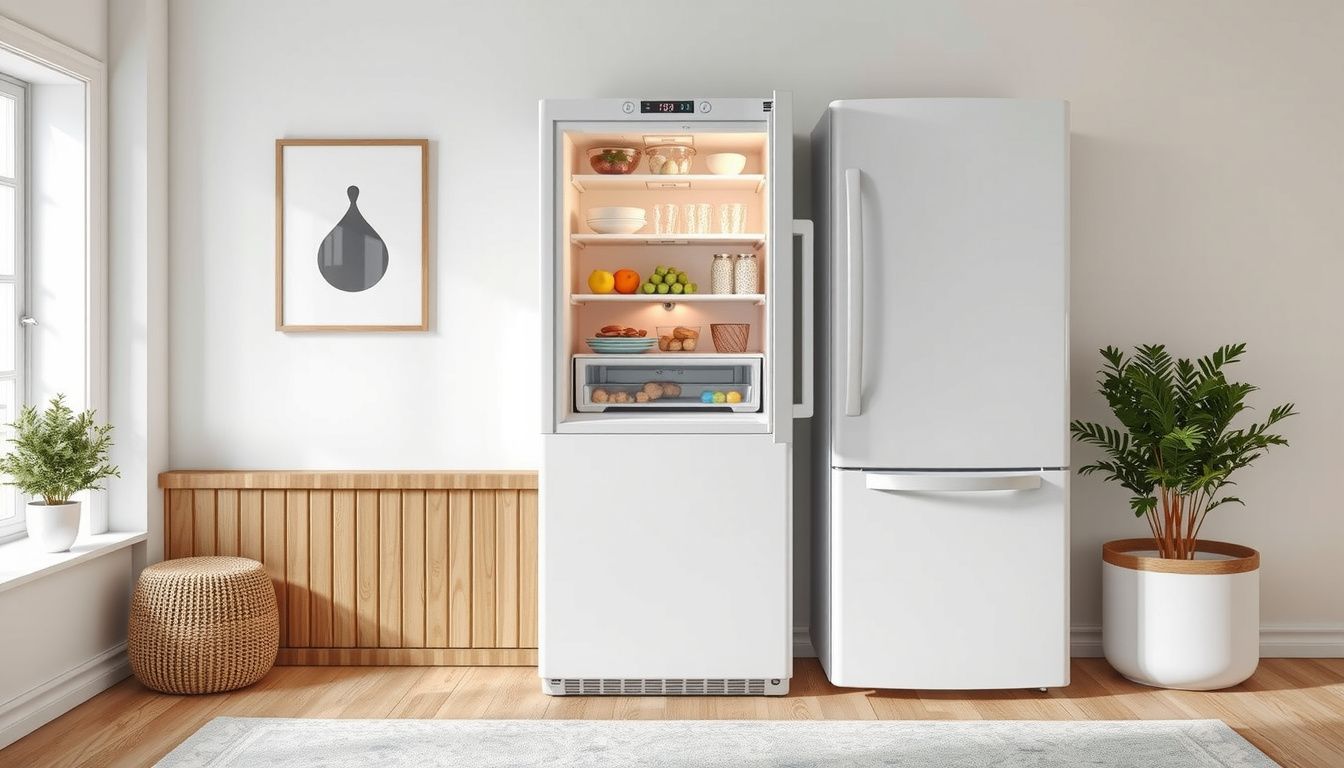
Internally, the fridge offers a combination of adjustable shelves, a small crisper drawer, and in-door storage. Shelves can be removed to accommodate taller items, while the freezer compartment, if present, is usually just large enough for a couple of ice trays and a frozen dinner.
For example, someone placing this fridge in a studio apartment kitchen can easily slide it under a countertop or into a corner, maximizing floor space while still having enough room for daily essentials. Always check both the product dimensions and available space before purchase to ensure a proper fit.

What Can Fit Inside a 3.2 Cubic Feet Refrigerator
Once someone knows the physical dimensions, the real test is understanding what everyday items a 3.2 cubic feet refrigerator will actually hold. This compact unit is designed for efficiency, but its space is limited compared to standard fridges. Users can expect to store enough essentials for one or two people, or supplement a main refrigerator for overflow items.
A 3.2 cubic feet model typically accommodates:
- Up to a dozen 12-ounce cans or several 1-liter bottles on the door shelves
- Three to four lunch-sized meal containers stacked on the main shelf
- A couple of small fruit or vegetable bins in the crisper drawer
- A few snacks, yogurts, or cheese packs in upper shelving or tray areas
Real-world example: For a college student in a dorm, this fridge can chill a half-gallon of milk, a six-pack of soda, a few apples, a box of leftovers, and some yogurt cups—enough to get through several days without daily grocery runs.
Ideal Uses and Typical Placement Scenarios
The compact nature of a 3.2 cubic feet refrigerator makes it versatile for a variety of settings. It fits where full-sized refrigerators can’t, offering chilled storage in tight spots or as a secondary appliance. Professionals often recommend it for specific, targeted uses rather than as a family’s primary fridge.
Common scenarios include:
- College dorm rooms for students’ snacks and drinks
- Home offices to keep lunches and beverages close at hand
- Small apartments or studio flats with limited kitchen space
- Basements, garages, or workshops for storing cold refreshments
- Hotel rooms, Airbnb rentals, or guest suites for visitors’ convenience
Practical example: In a busy office, a 3.2 cubic feet refrigerator can hold several employees’ lunches, a bottle of salad dressing, and a few energy drinks, keeping everyone happy and productive without crowding the break room.
Comparison With Other Compact Refrigerator Sizes
Once someone understands the 3.2 cubic feet refrigerator’s capacity, it’s helpful to see how it stacks up against other common compact fridge sizes. Compact refrigerators come in a range of capacities, typically from 1.7 to 4.5 cubic feet, each serving distinct needs.
Smaller units—like 1.7 or 2.6 cubic feet models—are best for tight spaces or storing just the basics. They might fit a few beverages, condiments, and a small lunch, but not much more. On the other end, 4.5 cubic feet fridges offer more shelving and freezer space, making them suitable for small apartments or shared offices.
The 3.2 cubic feet refrigerator hits a sweet spot. It provides noticeably more room than mini-fridges under 2 cubic feet but is still compact enough for dorms and bedrooms. For example, a college student who wants to store drinks, snacks, and a few meal preps for the week will find a 3.2 cubic feet model far more flexible than a tiny 1.7 unit.
Ultimately, choosing the right size depends on available space and storage needs, but the 3.2 cubic feet refrigerator remains one of the most versatile compact options.
Key Features and Storage Configurations
Beyond size, the key features and storage configurations of a 3.2 cubic feet refrigerator make it stand out. These compact fridges often come with adjustable shelving, door bins, and sometimes a small freezer compartment—features that enhance usability for tight spaces.

Most 3.2 cubic feet models include:
- Adjustable wire or glass shelves for customizing space based on item height.
- Integrated can dispensers or beverage racks in the door for easy access to drinks.
- Dedicated crisper drawers for fruits and vegetables, though these are usually small.
- Reversible doors to fit different room layouts.
For instance, someone living in a studio apartment might use the top shelf for leftovers, the door bins for condiments and drinks, and the main compartment for fresh produce or meal prep containers. The small freezer section is typically big enough for a few frozen meals or an ice tray, adding valuable flexibility.
These thoughtful configurations allow users to maximize every inch—critical when space is at a premium. A 3.2 cubic feet refrigerator delivers more organizational options than many expect from a compact appliance.
Factors to Consider Before Purchasing
After understanding the size and storage capabilities, buyers should evaluate several key factors before choosing a 3.2 cubic feet refrigerator. These considerations help ensure the appliance fits not only the intended space but also the user’s daily needs.
Energy consumption is a critical aspect. Compact refrigerators can vary in efficiency, so checking the EnergyGuide label helps estimate yearly operating costs. For example, a college student planning to use the fridge in a dorm room might save on utility bills by selecting an energy-efficient model.
Next, assess placement and ventilation. Adequate airflow around the unit prevents overheating and maintains cooling performance. Measure the available spot, ensuring there’s at least 2 inches of clearance on all sides.
- Door orientation: Check whether the door opens left or right and if it’s reversible to suit the room layout.
- Noise level: Quiet operation is essential for bedrooms or office spaces.
- Maintenance: Removable shelves and drip trays simplify cleaning.
Taking these factors into account prevents common frustrations and ensures the refrigerator supports the user’s lifestyle and environment.
Final Thoughts
Choosing the right refrigerator starts with understanding actual storage needs and how space translates into everyday use. For those asking, how big is 3.2 cubic feet refrigerator, it’s clear this size offers a practical blend of compactness and utility—ideal for dorms, offices, or small apartments.
Many users find themselves surprised at how efficiently a 3.2 cubic feet model holds weekly essentials. For instance, one student reported comfortably storing a week’s worth of drinks, snacks, and leftovers, freeing up kitchen space and making late-night meals a breeze.
Now, the next step is to measure the intended installation space, consider daily habits, and compare models for features that match specific requirements. With a clear sense of capacity and real-world fit, buyers are well-positioned to select a refrigerator that truly supports their lifestyle.
Related read: 5 Best Refrigerators for Office Break Rooms [In 2026]