Washer Dryer Combo Size: What to Expect in 2026
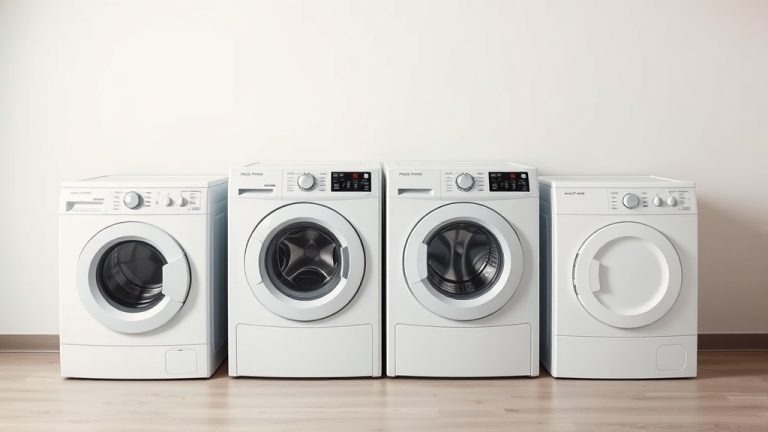
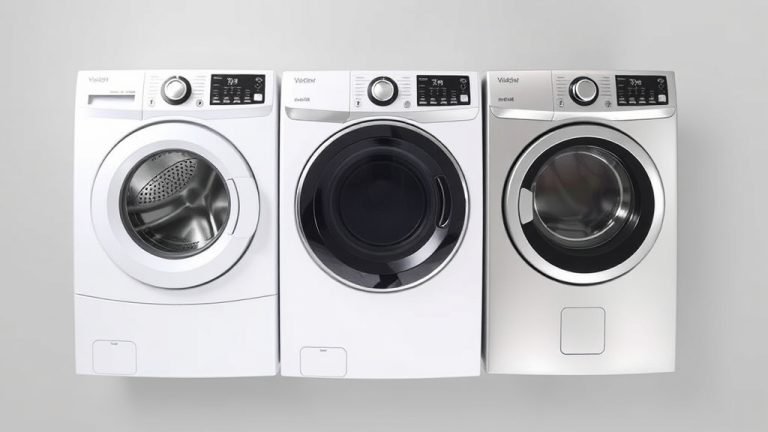
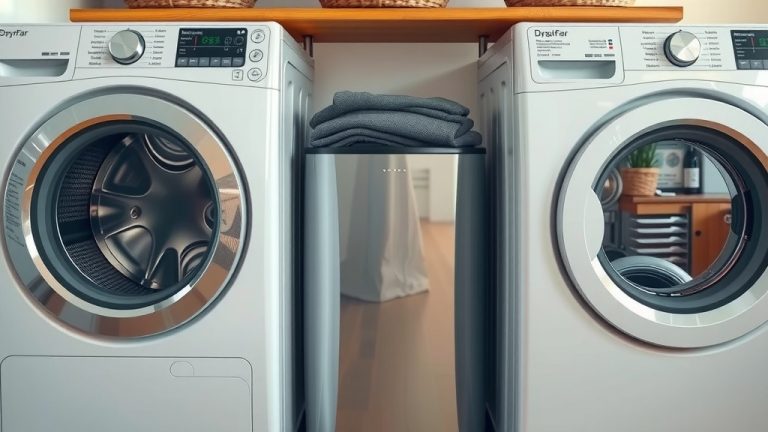
A washer dryer combo typically stands about 33-36 inches tall. Its width is usually around 24 inches. The depth can range from 24 to 30 inches. This compact size makes them ideal for small spaces.
These all-in-one units are a fantastic space-saving solution. They combine washing and drying functions into a single appliance. This makes them a smart choice for apartments, RVs, or any home with limited laundry room space. Many homeowners find them incredibly convenient.
- Washer dryer combos are about 33-36 inches tall.
- They are typically 24 inches wide.
- Depth usually falls between 24 and 30 inches.
- Great for small apartments and homes.
- Combines both washing and drying.
Ready to figure out if a combo unit is the right fit for your home? Let’s dive into the typical dimensions and what that means for your laundry routine.
Understanding Washer Dryer Combo Dimensions
So, you’re curious about how much space a washer dryer combo unit actually takes up? You’ve landed in the right spot! These handy appliances are designed to be space-efficient. We found that their typical size makes them a dream for smaller living situations.
Standard Unit Dimensions
Most washer dryer combos are built to fit into tight spots. This means they have a fairly standardized set of dimensions. Think of them like a single, tall appliance rather than two separate machines.
Height Considerations
When you measure the height, expect it to be around 33 to 36 inches. This is similar to many standard washing machines. It’s usually not taller than your average countertop height. This allows for easy loading and unloading for most people.
Width and Depth for Tight Spaces
The width is typically a very friendly 24 inches. This is narrower than many standard laundry pairs. For depth, you’re generally looking at 24 to 30 inches. This measurement includes the part that sticks out from the wall. Always double-check the specific model’s depth, as some might require a bit more clearance for hoses.
Comparing to Traditional Laundry Sets
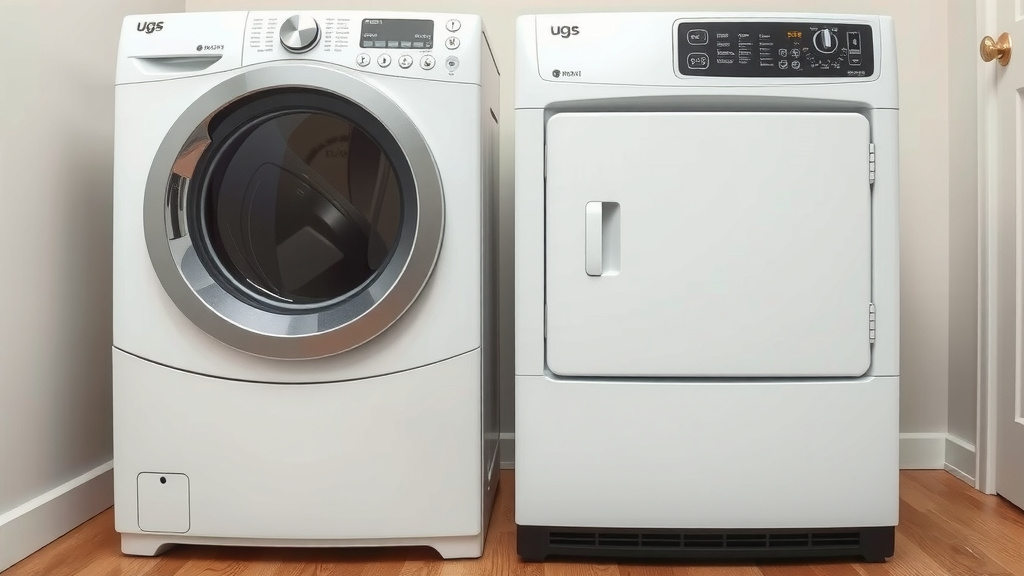
It’s helpful to visualize how these units compare to a separate washer and dryer. A standard front-load washer alone can be around 27-29 inches wide. Add a matching dryer, and you can easily need over 50 inches of width. You also need to consider the space for doors to open.
Washer dryer combos win big on width. They take up roughly half the horizontal space of a traditional pair. This is a huge advantage if your laundry area is more of a closet than a room. You gain back valuable floor space for other needs.
What These Dimensions Mean for Your Home
Knowing the exact measurements helps you plan. It’s not just about fitting the appliance; it’s about making your laundry process smooth.
Ideal Locations for Combo Units
Because of their compact nature, these units are perfect for various locations. We’ve seen them successfully installed in:
- Small Apartments: Especially those without dedicated laundry rooms.
- RV’s and Tiny Homes: Where every inch counts.
- Guest Houses or In-Law Suites: Providing convenient laundry access.
- Secondary Laundry Areas: Like a laundry closet on a bedroom floor.
- Kitchenettes or Small Utility Closets: If plumbing and ventilation are available.
Measuring Your Space: A Crucial Step
Before you buy, grab your tape measure! You need to measure the available space accurately. Don’t forget to account for:
- Doorway clearance for delivery.
- Space for the appliance doors to open fully.
- Room for ventilation, especially for the drying function.
- Accessibility for water hookups and drainage.
- Enough room behind the unit for hoses and power cords.
We found that a common mistake is forgetting the hoses. They can add several inches to the total depth. Always check the manufacturer’s specifications for recommended clearances.
Capacity Considerations within Compact Size
While the exterior dimensions are compact, you might wonder about the interior capacity. Washer dryer combos typically have a smaller drum size than full-sized standalone units. This means you’ll likely do fewer loads per week.
For a single person or a couple, this is usually perfectly fine. However, if you have a large family or tend to do large loads of laundry, you might find yourself doing multiple small loads. Research the capacity (measured in cubic feet) for the specific model you’re considering. Most combos range from 1.5 to 2.5 cubic feet.
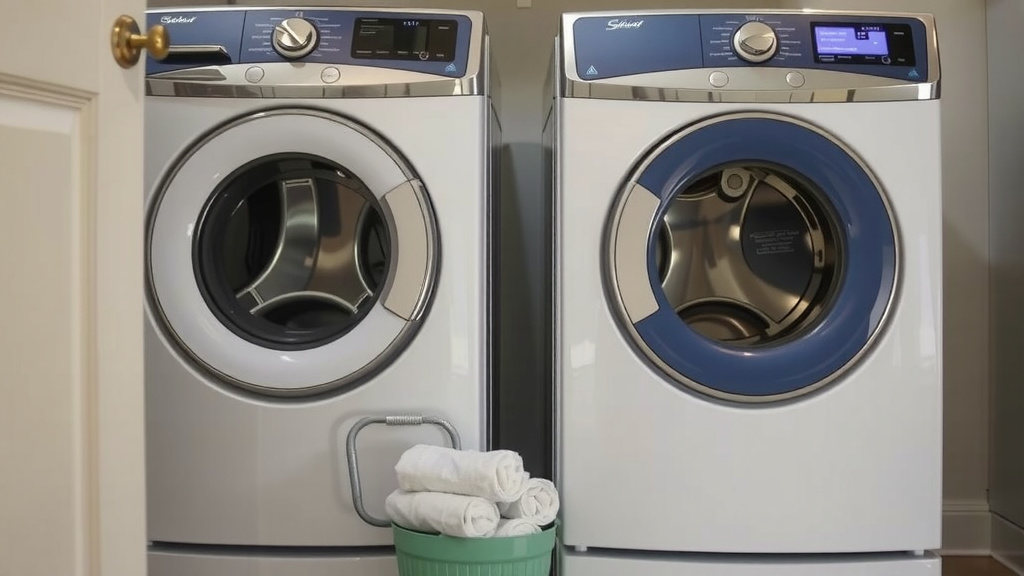
Comparing Key Features and Space Needs
It’s not just about size; it’s about how they perform and what other needs they have.
Ventless vs. Vented Drying
A key feature influencing space and installation is the drying method. Most washer dryer combos are ventless. This is a huge space-saver because you don’t need an external vent hose running outside.
Ventless drying works by condensing moisture from the clothes. This means they often take longer to dry than traditional vented dryers. They also require a bit more airflow in the room. Some older or specific models might be vented, but ventless is the norm for combos.
Installation and Utility Requirements
Installation is generally simpler with a combo unit, especially ventless ones. You need standard water hookups (hot and cold) and a drain. The electrical requirement is usually a standard 120-volt outlet. This is much simpler than the 240-volt outlet many traditional dryers need.
However, you do need a reliable water supply. Ensure your water pressure is adequate. Some units also have a drain pump, which is helpful if your drain is higher than the unit itself.
| Appliance Type | Approx. Height (in.) | Approx. Width (in.) | Approx. Depth (in.) | Space Required |
|---|---|---|---|---|
| Washer Dryer Combo | 33-36 | 24 | 24-30 | Single appliance footprint. Minimal side/back clearance needed for ventless. |
| Standalone Washer | 35-38 | 27-29 | 28-32 | Requires space for door swing and water/drain hookups. |
| Standalone Dryer | 35-38 | 27-29 | 30-34 | Requires door swing, power outlet, and potentially a vent. |
Energy and Water Usage
Because they are smaller and often use ventless drying, energy consumption can vary. Many newer combo units are quite energy-efficient. They often have high Energy Star ratings. However, the longer drying times of ventless models can sometimes use more electricity over time compared to a speedy vented dryer.
Water usage is generally comparable to a standard high-efficiency washing machine. Always check the model’s specific water factor rating for the most accurate comparison.
Your Laundry Day Checklist for Combos
To make sure a washer dryer combo is your perfect match, consider these points:
- Measure your intended space meticulously.
- Confirm plumbing and electrical hookups are suitable.
- Assess your typical laundry load size.
- Read reviews on drying times for specific models.
- Factor in accessibility for loading and unloading.
- Check manufacturer specs for clearance requirements.
Conclusion
You’ve learned that washer dryer combos are a smart choice for saving space. Their compact dimensions, typically around 33-36 inches tall and 24 inches wide, make them ideal for smaller homes and apartments. Remember to measure your space carefully before buying. Consider your laundry needs and compare models to find the best fit. Taking these steps ensures your new combo unit works perfectly for your home and routine. Now, you’re ready to find the right combo unit for your laundry needs!
Frequently Asked Questions
How much space do I really need behind a washer dryer combo?
For most ventless combo units, you’ll need about 4-6 inches of clearance behind the appliance. This allows for proper airflow and hose connections. Always check the manufacturer’s manual for the exact recommended space. This prevents overheating and ensures efficient operation.
Can a washer dryer combo fit in a standard closet?
Yes, many washer dryer combos are designed to fit into standard closets, especially those intended for laundry. Their 24-inch width often matches the space of a standard washing machine. Just ensure there’s enough clearance for the door to open and for ventilation.
Will a king-size comforter fit in a combo unit?
Generally, larger bedding items like king-size comforters may not fit comfortably in most washer dryer combo drums. Their drum capacities are typically smaller than full-sized machines. You might need to visit a laundromat for these larger items.
Do I need special plumbing for a washer dryer combo?
No special plumbing is usually required beyond standard hot and cold water hookups and a drain. Most combos use a regular 120-volt electrical outlet, unlike many traditional dryers. Ensure your water pressure is adequate for optimal performance.
Are washer dryer combos difficult to install?
Installation is typically straightforward, especially for ventless models. You’ll connect water lines and the drain, then plug it in. If you’re uncomfortable with basic plumbing connections, hiring a professional installer is a good idea. They can ensure everything is hooked up correctly and safely.