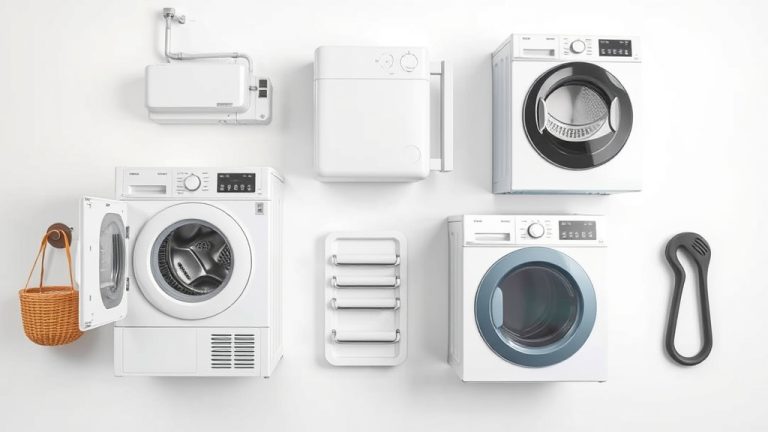
How to Clean Your Portable Washer Step-by-Step
The easiest way to clean a portable washer is by using a mild detergent and a soft cloth to wipe down the interior and exterior. Regular cleaning prevents mold and mildew buildup. You can also run a cleaning cycle with vinegar or a specialized washer cleaner. This simple upkeep keeps your machine running smoothly and your clothes smelling fresh.
Keeping your portable washing machine clean ensures it lasts longer and performs better. Neglecting it can lead to unpleasant odors and reduced efficiency. We’ve researched the best methods to help you maintain your appliance, ensuring hygienic laundry and a happy washer. It’s a simple process that makes a big difference.
- Wipe down the drum and lid regularly.
- Use vinegar or a special cleaner for deeper cleans.
- Clean the exterior to keep it looking nice.
- Check and clean the filter if yours has one.
Below, we’ll guide you through each step of cleaning your portable washer so it stays in top condition. Let’s get your machine sparkling!
Keeping Your Portable Washer Sparkling: A Simple Guide
Your portable washing machine is a fantastic convenience. It saves you trips to the laundromat and lets you wash whenever you need to. But like any appliance, it needs a little TLC to keep it working its best. You might be wondering, “How often should I clean my portable washer?” We found that a quick wipe-down after every few uses and a deeper clean once a month is a good rule of thumb. This helps prevent pesky odors and keeps your laundry truly clean.
Basic Cleaning: Everyday Upkeep for Your Machine
Let’s start with the basics. Regular, simple cleaning is the easiest way to maintain your portable washer. Think of it like wiping down your kitchen counters after cooking. It prevents small issues from becoming big problems.
Wipe Down the Drum and Lid
After you’ve finished your laundry, take a moment to wipe down the inside of the drum. You can use a soft, damp cloth. This removes any lingering lint or residue. Don’t forget the lid! Moisture can get trapped there, leading to mildew. A quick swipe helps keep things fresh.
Many manufacturers suggest this simple step. It’s like giving your machine a little pat on the back for a job well done. This habit prevents the buildup of soap scum and fabric softener residue. These can make your clothes feel less clean over time.
Cleaning the Exterior
Your portable washer lives in your home, so you want it to look nice, right? The outside might get dusty or splashed. A damp cloth with a drop of mild dish soap works wonders. Gently wipe down the casing, control panel, and any hoses. Make sure to dry it afterward to prevent water spots.
This might seem obvious, but it’s easy to overlook. A clean exterior not only looks better but also helps protect the machine’s components from dirt and grime. It’s another simple step that contributes to the overall lifespan of your appliance.
Deep Cleaning Methods for a Fresher Wash
When a quick wipe-down isn’t enough, it’s time for a deeper clean. This tackles any unseen gunk and tackles odors that might be lurking. You have a couple of great options here, and we’ve researched them for you.
Using Vinegar for a Natural Clean
Vinegar is a household hero for cleaning, and your portable washer is no exception. It’s a natural disinfectant and deodorizer. To do this, add about 2 cups of white vinegar directly into the empty drum. Run the machine through a full wash and rinse cycle. Don’t add any clothes!
We found that this method is very effective at breaking down mineral deposits and soap residue. The acetic acid in vinegar is a powerful cleaner. Many health organizations, like the Cleveland Clinic, note vinegar’s natural cleaning properties for homes. It helps kill bacteria and mold spores that can cause those musty smells.
Specialized Washer Cleaning Solutions
If vinegar isn’t your preference, there are many cleaning products made specifically for washing machines. These are formulated to be tough on grime but gentle on your machine. You can find them at most supermarkets or online.
Follow the product instructions carefully. Typically, you’ll add the cleaner to the drum or dispenser and run a hot water cycle. These cleaners often contain agents that specifically target mold, mildew, and detergent buildup. They are designed to provide a thorough clean, leaving your machine smelling fresh and neutral.
Cleaning the Water Inlet Hoses and Drain Hose
Don’t forget about the hoses! Over time, sediment can build up in them. If your portable washer has removable hoses, disconnect them and rinse them out. For fixed hoses, you might be able to run a bit of water with vinegar through them. Check your machine’s manual for specific guidance.
Don’t Forget the Lint Filter (If Applicable)
Some portable washers have a small lint filter. This little guy catches fibers from your clothes. If it gets clogged, it can reduce washing efficiency and even lead to smells. Check your manual to see if your model has one and where it’s located.
Most filters are easy to access. You’ll likely need to unscrew or unclip it. Rinse it under running water to remove all the lint and debris. A clean filter means better drainage and less strain on your machine. We found cleaning this filter can make a surprising difference in performance.
Checklist for a Clean Portable Washer
Here’s a quick rundown to help you stay on top of your cleaning routine:
- Wipe down the drum and lid after each use.
- Clean the exterior weekly with a damp cloth.
- Perform a deep clean (vinegar or cleaner) monthly.
- Check and clean the lint filter every few weeks.
- Inspect hoses for any debris or buildup.
- Ensure the washer is dry before storing.
When to Call a Professional
For most portable washers, regular cleaning keeps them in tip-top shape. However, if you notice persistent leaks, strange noises, or error codes that cleaning doesn’t resolve, it might be time to consult your owner’s manual or contact the manufacturer. Sometimes, a small issue can signal a larger problem that requires expert attention.
Conclusion
You’ve learned how simple it is to keep your portable washer sparkling and running efficiently. Regular wipe-downs prevent everyday buildup, while monthly deep cleans with vinegar or a specialized cleaner tackle tougher grime and odors. Don’t forget to check your lint filter and hoses for optimal performance. By incorporating these easy steps into your routine, you ensure hygienic laundry and extend the life of your convenient appliance. Make a habit of these cleaning tasks, and you’ll enjoy fresh-smelling clothes and a happy washer for years to come.
Frequently Asked Questions
How often should I deep clean my portable washer?
We recommend performing a deep clean of your portable washer about once a month. This frequency helps prevent the buildup of soap scum, mineral deposits, and potential mold or mildew that a simple wipe-down might miss. If you use your washer very frequently or notice any odors, you may want to do it more often.
Can I use bleach to clean my portable washer?
While bleach is a strong disinfectant, most manufacturers advise against using it in portable washing machines, especially for cleaning cycles. Bleach can be harsh and may damage certain parts of your machine over time. Vinegar or specific washer cleaning solutions are generally safer and equally effective for most cleaning needs.
What should I do if my portable washer still smells after cleaning?
If odors persist after a thorough cleaning, check for hidden dampness or residue. Ensure you’ve cleaned the lint filter and hoses thoroughly. Sometimes, a second deep clean cycle, perhaps with a specialized washer cleaner if you used vinegar last time, can help. Ensure the machine is completely dry after cleaning and before storing it.
Is it okay to leave wet clothes in the portable washer for a while?
It’s best to remove wet clothes from your portable washer as soon as the cycle is finished. Leaving damp clothes in the drum can promote the growth of mold and mildew, leading to unpleasant odors that can transfer to your laundry. Prompt removal also helps the drum dry out more effectively.
Do I need to clean the water inlet hoses?
Yes, you should check and clean your water inlet hoses periodically. Sediment can build up inside them, potentially affecting water flow. If your hoses are removable, you can rinse them out. Consult your owner’s manual for the best method to clean them without damaging your machine.