How Long Does a Front Loader Wash Cycle Take?
So, you’re wondering, how long does a front loader take to wash? Generally, a front loader wash cycle can take anywhere from 30 minutes to 2 hours. This time frame depends heavily on the cycle you choose and your machine’s specific settings.
Many factors influence the total wash time. Think of things like water temperature, load size, and soil level. Some advanced cycles are designed for heavy-duty cleaning and may run longer. Others, like quick wash options, are built for speed.
- Front loader wash times vary widely.
- Expect cycles from 30 minutes to 2 hours.
- Cycle choice is the biggest time factor.
- Load size and soil level also play a role.
- Quick wash is faster, heavy-duty is slower.
Let’s dive into the details and see what makes your front loader tick (and how long it’ll take!).
Understanding Your Front Loader’s Wash Cycle Duration
You’re curious about how long your front loader washing machine will run for a cycle. You’re not alone! It’s a common question as we all try to manage our time efficiently. The truth is, there’s no single answer. Your washing machine’s cycle length can swing quite a bit.
Generally speaking, you can expect a standard wash cycle to take somewhere between 30 minutes and a full 2 hours. This wide range is because so many things can influence the total time. Let’s break down what makes your machine tick and how long it might take to get your clothes clean.
Factors That Dictate Wash Time
Think of your front loader like a chef preparing a meal. Some dishes are quick and simple, while others require slow simmering and careful attention. Your wash cycle is no different!
The Chosen Cycle: Your Biggest Time Driver
The most significant factor affecting wash time is the cycle setting you select. Most front loaders come with a variety of cycles, each designed for specific needs. A “Quick Wash” is built for speed, while a “Heavy Duty” or “Sanitize” cycle needs more time to work its magic.
For instance, a basic “Normal” or “Cotton” cycle might take around 45-60 minutes. This is a good middle-ground for everyday laundry. If you’re in a rush, a “Speed Wash” or “Express” cycle could have your clothes clean in as little as 15-30 minutes. These are fantastic for lightly soiled items you need in a hurry.
On the flip side, if you’re tackling heavily soiled work clothes or bedding that needs a deep clean, you’ll likely opt for a “Heavy Duty” or “Bulky Items” cycle. These cycles often include longer wash times, extra rinses, and more vigorous agitation to remove tough dirt and grime. These can easily stretch to 90 minutes or even longer.
Water Temperature Settings
Did you know that the water temperature you choose also impacts wash duration? Yes, it’s true! Heating the water takes time, and cycles that use hotter water often run longer to allow for proper heating and saturation.
For example, a wash on cold water will generally be quicker than one set to hot water. Hot water is excellent for sanitizing and removing stubborn stains, but it does add to the overall cycle time. If speed is your priority and your clothes aren’t heavily soiled, consider using a cooler setting.
Load Size and Soil Level
Your washing machine is pretty smart these days. Many models have sensors that detect the size of the load and the level of soil in your laundry. These sensors help optimize the wash for efficiency.
A small load of lightly soiled clothes might finish faster than a large, heavily stained load. The machine might use less water and shorter agitation times for smaller, cleaner loads. Conversely, a very full drum or clothes with significant dirt or odors will prompt the machine to extend the wash time, add more rinses, or even increase the water temperature to ensure everything comes out clean.
Spin Speed and Extra Features
The spin speed you select can also play a small role. Higher spin speeds extract more water, meaning your clothes might feel drier coming out of the machine. While this doesn’t drastically change the wash *duration*, it’s part of the overall cycle.
Many modern front loaders also offer extra features like steam cycles, extra rinses, or pre-soak options. Each of these adds time to the cycle. A steam cycle, for instance, uses heat and moisture to refresh clothes and reduce wrinkles, which naturally takes longer than a standard wash.
Typical Cycle Times for Common Settings
To give you a clearer picture, let’s look at some common cycle types and their approximate timings. Keep in mind that these are general estimates, and your specific machine might vary.
| Cycle Type | Estimated Time Range | Best For |
|---|---|---|
| Quick Wash / Express | 15 – 30 minutes | Lightly soiled clothes, small loads, refreshing items. |
| Normal / Cotton | 45 – 60 minutes | Everyday laundry, mixed fabrics, moderate soil levels. |
| Delicates / Hand Wash | 30 – 50 minutes | Lingerie, silk, items requiring gentle care. |
| Heavy Duty / Whites | 60 – 90 minutes | Heavily soiled items, towels, bedding, tough stains. |
| Sanitize / Allergen | 90 – 120 minutes | Baby clothes, allergy sufferers, items needing germ removal. |
Understanding Your Machine’s Display
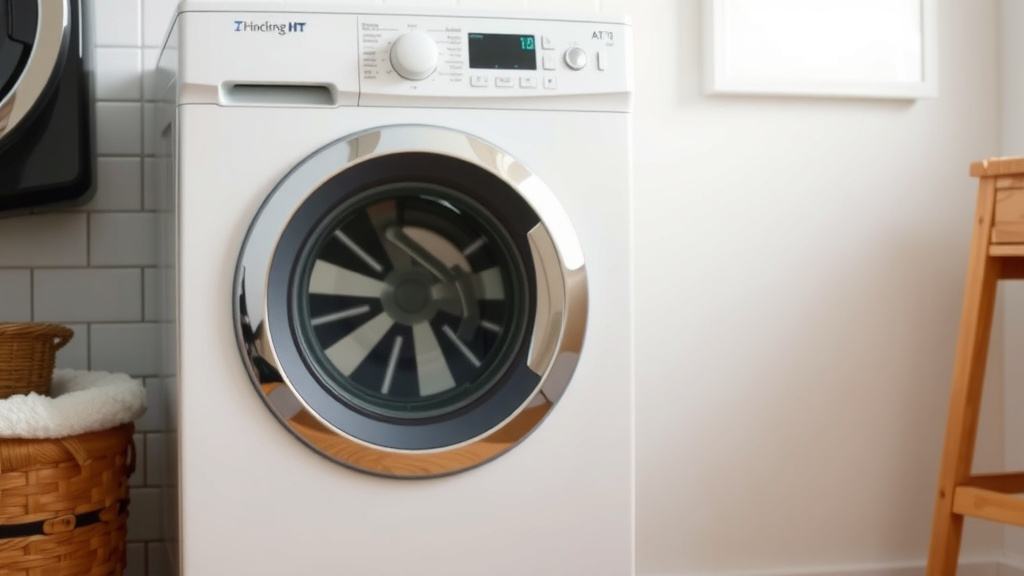
Most newer front loaders will actually display an estimated time for the cycle you select. This is incredibly helpful! You can see at a glance how long the machine *thinks* it will take. However, research and found that this time can sometimes be a bit of an estimate. The machine might adjust the time mid-cycle based on its sensors detecting how much water is being absorbed or how long it takes for suds to dissipate.
Tips for Managing Wash Times
Want to get your laundry done more efficiently? Here are a few things you can do:
- Choose wisely: Always select the cycle that best matches your load’s needs. Don’t use “Heavy Duty” for your delicate blouses!
- Don’t overload: A packed machine can’t clean effectively and may even extend cycle times.
- Pre-treat stains: Tackle tough stains before they go into the wash. This might allow you to use a shorter cycle.
- Read your manual: Every machine is a little different. Your owner’s manual is the best resource for understanding your specific model’s cycles and features.
- Consider a “Speed Wash” for small loads: If you just have a few items, a quick wash is your best friend.
When a Longer Cycle is Better
While speed is nice, remember that some tasks genuinely require more time. For instance, a sanitizing cycle is designed to reach high temperatures for extended periods, as recommended by health organizations for killing bacteria and viruses (CDC). If you’re washing baby clothes or dealing with illness in the house, the longer wash time is necessary for peace of mind and hygiene.
Similarly, those bulky comforters or sleeping bags need ample space and time to get thoroughly clean and rinsed. A short cycle just won’t cut it. Embrace the longer cycles when your laundry truly needs that deep clean!
Conclusion
So, you’ve learned that the time your front loader takes to wash can vary quite a bit. Remember, the cycle you choose is the main driver, but factors like water temperature, load size, and soil level also play a part. While a quick wash can be done in under 30 minutes, heavy-duty or sanitize cycles can easily extend past an hour. Don’t hesitate to check your machine’s display for an estimated time and always consult your manual for your specific model’s capabilities. For your next laundry day, try selecting the most appropriate cycle for your load to save time and energy!
Frequently Asked Questions
Can I make my front loader wash cycle faster?
Yes, you can often speed up your front loader’s wash time. Choosing a “Quick Wash” or “Express” cycle is the most direct way. Additionally, using cooler water temperatures and ensuring you don’t overload the machine can also help shorten the cycle duration.
Why do some cycles take so much longer than others?
Longer cycles, like “Heavy Duty” or “Sanitize,” are designed for specific purposes. They often involve higher temperatures, more water, longer agitation times, and extra rinses to effectively remove tough stains, kill germs, or handle bulky items. These processes naturally require more time to complete thoroughly.
Is it okay to wash small loads on a long cycle?
While your front loader might adjust the time slightly, it’s generally more efficient to use a shorter cycle for small loads. A “Quick Wash” is ideal for lightly soiled items or a few garments. Using a long cycle for a small load can waste water and energy.
Does the time displayed on my machine’s panel ever change?
Yes, the time displayed is often an estimate. Your front loader likely has sensors that monitor the wash process in real-time. If the machine detects that clothes aren’t clean enough or need more rinsing, it may automatically extend the cycle time beyond the initial estimate.
Will using steam or extra rinse options add a lot of time to my wash?
Adding features like steam cycles or extra rinses will typically increase the total wash time. Steam cycles use heat and moisture to refresh clothes and reduce wrinkles, which takes extra time. Similarly, an extra rinse ensures all detergent is removed, adding a few minutes to the cycle’s completion.