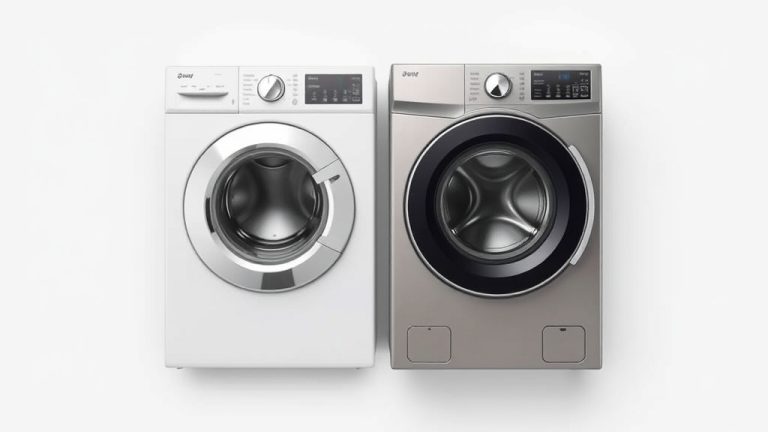
How Deep Are Front Load Washers? A Buyer’s Guide
Front load washers typically range from 27 to 34 inches deep. This measurement usually includes the door, which sticks out from the main cabinet. So, you need to account for that extra space when measuring your laundry room. Knowing the exact depth is key for a perfect fit.
You’ll also want to consider the space needed for hoses and electrical connections behind the machine. Many front loaders require about 4-6 inches of clearance in the back. This allows for proper airflow and prevents kinking of water hoses, which could cause leaks. Always measure twice to avoid a tight squeeze!
- Front load washer depth: 27 to 34 inches.
- Door adds to the total depth.
- Factor in 4-6 inches for hoses and connections.
- Measure your space before buying.
Below, we break down exactly how deep front load washers are and what you need to consider for installation.
How Much Space Do Front Load Washers Actually Need?
So, you’re looking into a front load washer and wondering about its footprint. It’s a super common question, and for good reason! These machines can really change how your laundry room looks and feels. We’re here to help you figure out the exact dimensions you need to plan for.
Understanding Front Load Washer Dimensions
When we talk about how deep a front load washer is, we’re usually looking at a few different measurements. It’s not just about the main box. The door, the control panel, and even the hoses can add to the total space required.
The Cabinet Depth: The Core Measurement
First, let’s talk about the main body of the washer, often called the cabinet depth. This is the basic size of the machine without anything sticking out. Research shows that most standard front load washer cabinets fall between 28 and 32 inches deep. This is the foundation for all other measurements. It gives you a baseline idea of the appliance’s core size. Think of it as the “body” of the washer.
The Door Factor: It Sticks Out!
Now, here’s where things get a little trickier. The door on a front load washer is a big feature! It typically protrudes past the main cabinet. We found that this door can add anywhere from 2 to 5 inches to the overall depth. So, if the cabinet is 30 inches deep, the total depth with the door could easily reach 35 inches. Always check the product specifications for the exact measurement. This is a common oversight that can cause headaches later.
Considering the Control Panel
Some front load washers have control panels that are angled or stick out slightly at the top. While usually not a huge addition, it can sometimes add another inch or so to the depth. You’ll want to account for this, especially if your washer will be tucked into a tight alcove or against cabinets. Look at the overall profile of the machine from the side.
Beyond the Washer: Installation Space Requirements
You’ve measured the washer itself, but that’s only half the battle. Proper installation requires extra room behind the machine. This is critical for both function and safety. Forgetting this space can lead to problems down the line.
Hose and Vent Clearance: Essential for Operation
This is a big one! You need space behind the washer for water hoses and, if it’s a washer-dryer combo, the dryer vent. Many manufacturers recommend at least 4 to 6 inches of clearance behind the unit. Why? This allows hoses to connect without kinking. Kinked hoses can restrict water flow and even burst. It also ensures proper airflow, which is vital for efficient drying and preventing moisture buildup. Think of it like giving the machine some breathing room.
Electrical Connections and Water Valves
Don’t forget about where your electrical outlet and water shut-off valves are located. These connections take up space, too. If they are recessed into the wall, you might need less space. If they stick out, you’ll need to add that to your depth calculation. We found that placing the washer too close to these can make connecting and disconnecting hoses difficult. It’s also a good idea to have access to the shut-off valves in case of an emergency.
Allowing for Maintenance and Cleaning
Will you ever need to pull the washer out for repairs or deep cleaning? Yes, probably! Leaving a little extra room, maybe another inch or two, can make future maintenance much easier. It’s a small amount of space that can save a lot of frustration. You’ll thank yourself later when you don’t have to wrestle the machine out of a tight spot.
Putting It All Together: Calculating Your Total Depth Need
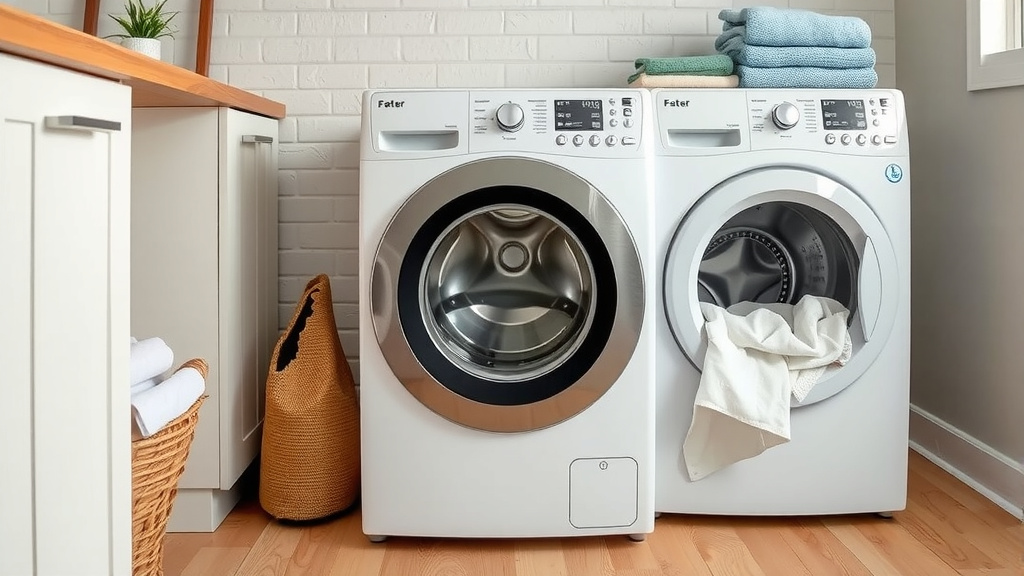
So, how do you get the final number? It’s a bit of addition. Start with the cabinet depth. Add the amount the door sticks out. Then, add the recommended clearance space for hoses and connections.
Let’s look at an example. Say a washer has:
- Cabinet depth: 30 inches
- Door protrusion: 3 inches
- Recommended rear clearance: 5 inches
Your total estimated depth needed would be 30 + 3 + 5 = 38 inches. This is the minimum space you should ideally have from your wall to the front of the appliance when fully open and installed.
A Quick Comparison: Depth vs. Width vs. Height
It’s easy to get tunnel vision on depth. But remember to check the width and height too! While most front load washers are fairly standard in width (around 27-29 inches), heights can vary, especially with raised pedestals. Always measure all three dimensions of your intended laundry space.
Standard Dimensions to Keep in Mind
While variations exist, here are some typical ranges to help you visualize:
| Dimension | Typical Range |
|---|---|
| Cabinet Depth | 28 – 32 inches |
| Total Depth (with door) | 30 – 35 inches |
| Depth with Door Open | 45 – 50 inches (plus rear clearance) |
| Width | 27 – 29 inches |
| Height | 37 – 40 inches (without pedestal) |
The Door Swing: A Space Consideration Too!
We’ve talked about the door sticking out when closed, but what about when it’s open? You need to ensure there’s enough room for the door to swing open fully without hitting anything. Many front load washer doors swing open about 130-180 degrees. Make sure to measure this swing radius and compare it to your laundry room layout. If the washer is in a corner or next to a wall, this is especially important. You don’t want to be playing Tetris to get laundry in or out.
Checklist for Measuring Your Laundry Space
Before you buy, run through this quick checklist. It will save you a lot of hassle!
- Measure the width of your laundry space.
- Measure the height of your laundry space.
- Measure the current depth of your space from the wall to the most forward point (e.g., a dryer, cabinet).
- Account for the washer’s full depth (cabinet + door).
- Add at least 4-6 inches for rear clearance (hoses, vents).
- Consider the door swing clearance needed.
Conclusion
You’ve now seen that front load washer depth isn’t just one number. It’s a combination of the cabinet, the door, and the vital space needed behind the machine. We found that most washers need about 30-35 inches for the unit itself. But don’t forget that extra 4-6 inches for hoses and connections. By carefully measuring your laundry space and adding these figures, you can ensure your new washer fits perfectly.
Your next step is to grab your tape measure and apply these tips to your own laundry room. Happy measuring!
Frequently Asked Questions
How much space does a front load washer door need when open?
You’ll need to account for the door swing. Most front load washer doors open about 130-180 degrees. Measure this radius from the washer’s position to make sure it doesn’t hit walls or cabinets.
Can I push my front load washer right up against the wall?
No, you shouldn’t push your washer right against the wall. We found that manufacturers recommend at least 4-6 inches of clearance. This space is essential for water hoses, electrical connections, and proper airflow.
Does the depth measurement include the hoses?
Typically, the depth measurement you see in product specs refers to the unit itself, including the door. It does not include the extra space needed for hoses and connections at the back.
What if my laundry space is very tight? Are there smaller front load washers?
While most front load washers have similar depth requirements, some compact models exist. These may have slightly smaller cabinet depths. Always check the product specifications for exact dimensions and compare them to your available space.
Why is rear clearance so important for a front load washer?
Rear clearance is crucial for preventing hose kinking and ensuring proper ventilation. Kinked hoses can restrict water flow and potentially burst. Good airflow helps the machine operate efficiently and prevents moisture buildup.