Agitator vs Impeller: Washing Machine Differences Explained
The main difference between an agitator and an impeller washing machine lies in their cleaning mechanism. An agitator machine uses a central post to twist clothes, while an impeller machine uses a low-profile disc or cone to move clothes gently. You’ll find impeller models tend to be gentler on fabrics.
Both designs aim to get your laundry clean. However, they achieve this in different ways, impacting wash time and capacity. Many people wonder which type is better for their needs, and research shows both have their upsides. We found that impeller machines often offer more space for larger loads.
- Agitators use a central post to move clothes.
- Impellers use a disc or cone at the bottom.
- Impellers are generally gentler on fabrics.
- Agitators can sometimes handle tougher stains better.
- Impeller machines often have larger capacities.
Let’s break down exactly how each of these washing machine types works, so you can decide which one is the best fit for your laundry room.
Agitator vs. Impeller Washers: Understanding the Core Differences
So, you’re curious about what really sets agitator and impeller washing machines apart? It’s a great question to ask before you buy. While both get your clothes clean, they use fundamentally different methods. Understanding these methods helps you pick the right machine for your laundry habits and fabric types.
The main distinction boils down to how they move your clothes around in the wash water. One uses a strong, central force, while the other relies on a gentler, broader motion. Let’s get into the nitty-gritty of each.
The Agitator Washing Machine Explained
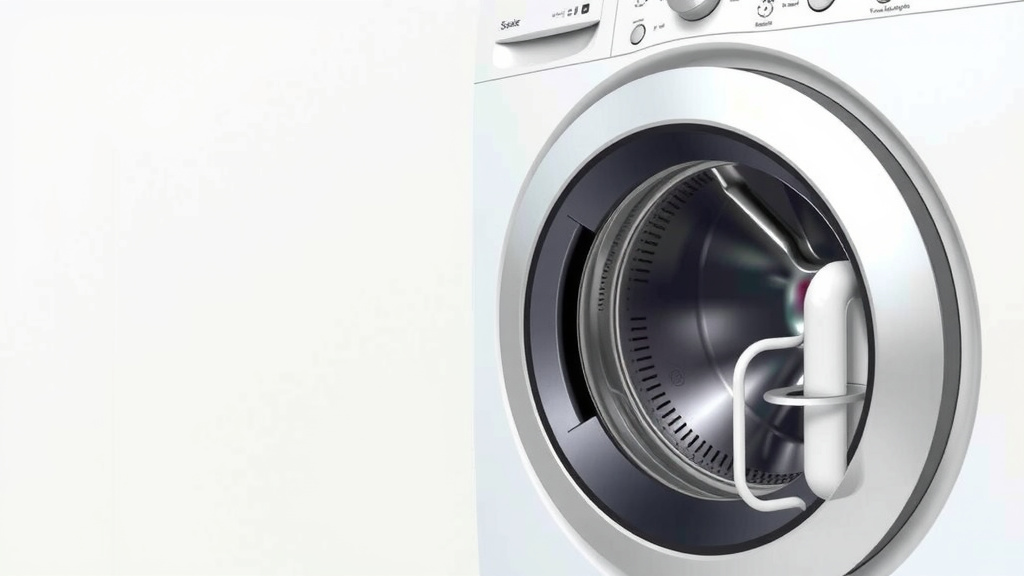
You’ve probably seen these before. Agitator washing machines are the classic type many of us grew up with. They feature a central post, known as the agitator, that stands tall in the middle of the wash drum. This post is ribbed or finned and has a crucial job to do.
How the Agitator Works Its Magic
The agitator’s primary function is to twist and turn your clothes. It moves back and forth, or sometimes in a circular motion. This twisting action forces water and detergent through the fabric fibers. It’s a pretty vigorous process designed to dislodge dirt and grime effectively.
Pros of Agitator Washers
Because of this powerful action, agitator machines are often great at tackling tough stains. They can really work the detergent into the fabric. Many people feel they offer a deeper clean, especially for heavily soiled items like work clothes or sports gear. Plus, they’re often more straightforward to operate, with simpler controls.
Cons of Agitator Washers
However, this intense motion isn’t always kind to your clothes. The vigorous movement can cause more wear and tear on fabrics over time. Items can get tangled around the agitator, potentially leading to stretching or snagging. Also, the agitator itself takes up space in the drum, reducing the overall capacity you might get compared to other types.
The Impeller Washing Machine Explained
Impeller washing machines, also often called high-efficiency (HE) top-loaders, offer a different approach. Instead of a tall central post, they have a low-profile disc or cone at the bottom of the drum. This part is the impeller.
How the Impeller Works Its Magic
The impeller doesn’t twist clothes in the same way an agitator does. Instead, it spins and rotates, creating currents and water jets. These currents gently move the clothes around the drum. Think of it more like a gentle tumble or swirl. This motion is designed to rub fabrics against each other, which helps lift dirt away.
Pros of Impeller Washers
The main advantage here is gentleness. Because there’s no central post to tangle clothes around, impeller machines are much kinder to your fabrics. This means less stretching, fewer snags, and longer-lasting clothes. Also, since the impeller takes up less space, these machines generally offer a larger wash capacity. You can often fit more laundry in a single load, which is a real time-saver!
Cons of Impeller Washers
While gentle, some users find that impeller machines might not tackle extremely tough, set-in stains as effectively as agitators. The cleaning action is less aggressive. You might need to pre-treat very stubborn spots. They also tend to use less water, which is great for the environment and your bills, but sometimes means clothes can rub together a bit more during the cycle.
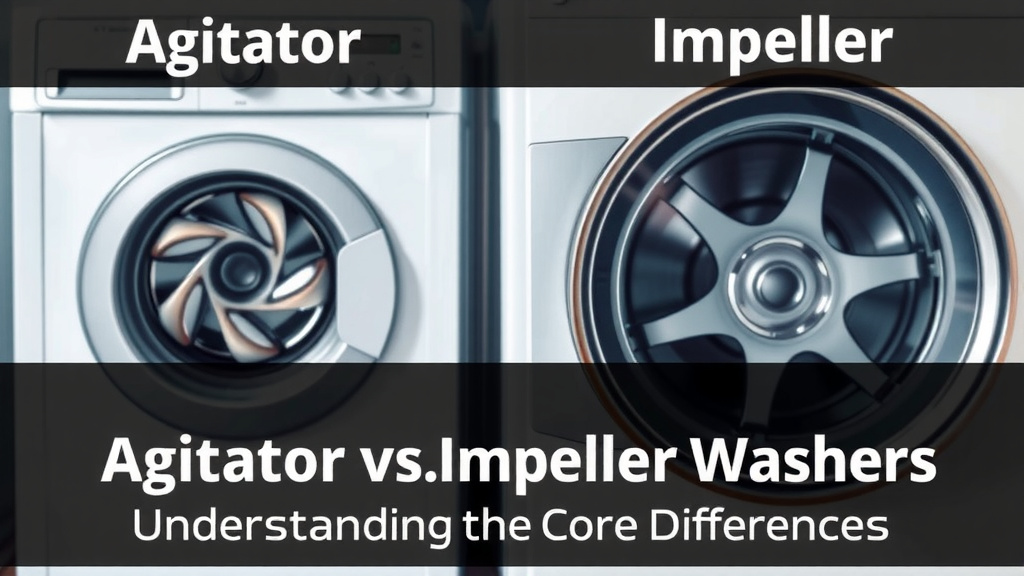
Direct Comparison: Agitator vs. Impeller
Let’s break down some key differences side-by-side. This will help you see where each type shines.
| Feature | Agitator Washer | Impeller Washer |
|---|---|---|
| Cleaning Mechanism | Central post twists and turns clothes. | Low-profile disc or cone creates water currents. |
| Gentleness on Clothes | Can be rougher; potential for tangling. | Much gentler; less wear and tear. |
| Capacity | Generally smaller due to agitator space. | Often larger capacity; more room for laundry. |
| Stain Removal | Often better for tough, set-in stains. | Good for everyday dirt; may need pre-treatment for tough stains. |
| Water Usage | Typically uses more water. | Typically uses less water (HE). |
| Wash Time | Can sometimes be faster due to vigorous action. | Can sometimes be longer to allow gentler action to work. |
Which is Better for Your Laundry Needs?
When it comes down to it, the “better” machine really depends on your priorities. Do you often deal with heavily soiled items and prefer a super-powerful wash? An agitator might be your go-to. Think of it like a power scrub for your clothes.
On the other hand, if you have delicate fabrics, a lot of laundry to do, or you’re focused on energy and water savings, an impeller model could be a fantastic choice. They’re like a spa day for your wardrobe.
Making Your Final Decision
Choosing between these two types is about matching the machine’s action to your lifestyle. Consider these points as you weigh your options:
- Your most common laundry types.
- How important fabric longevity is to you.
- The typical size of your laundry loads.
- Your tolerance for pre-treating stains.
- Your desire for water and energy efficiency.
Conclusion
So, you’ve learned how agitator and impeller washing machines tackle your laundry differently. Agitators offer a powerful, deep clean for tough messes, while impellers provide a gentler wash that’s kinder to fabrics and often handles larger loads. Research shows both have their place. The best choice really comes down to your personal laundry needs and priorities. Do you need a heavy-duty clean, or is fabric care and capacity more important? Carefully consider your most common laundry types and how much wear and tear you want to avoid. Think about these points, and you’ll be ready to pick the perfect machine for your home.
Frequently Asked Questions
Will an impeller washer get my clothes as clean as an agitator?
Impeller washers generally provide an excellent clean for everyday dirt and grime. They use water currents to move clothes, which can be very effective. However, for extremely tough, set-in stains, an agitator’s vigorous action might sometimes be more powerful.
Can an impeller washer handle large loads of laundry?
Yes, impeller washers often have a larger capacity. Because they don’t have a central agitator post taking up space, you can typically fit more clothes into a single load. This can save you time and energy by reducing the number of washes you need to do.
Is an impeller washer better for delicate clothes?
Generally, yes. Impeller washers are much gentler on fabrics because they avoid the twisting and tangling that can happen with a central agitator. If you have many delicate items or want your clothes to last longer, an impeller model is a great choice.
Do agitator washers use more water?
Typically, agitator washers use more water than impeller models. Impeller washers are often classified as High Efficiency (HE) machines and are designed to use less water to get your laundry clean. This can be better for your utility bills and the environment.
Which type of washing machine is faster?
This can vary, but agitator washers sometimes have shorter cycle times due to their more aggressive cleaning action. Impeller washers may have slightly longer cycles to allow their gentler motions to effectively clean the clothes. However, the larger capacity of some impeller models can mean fewer loads overall, saving you time in the long run.