How Important Are Air Purifiers in Modern Homes? A Complete Guide to Breathing Better
Pause for a moment and consider the air that fills your lungs day in and day out. It’s a vital, invisible element, yet few of us truly ponder its quality. The truth is, we dedicate about 90% of our lives inside—in our homes, offices, or schools. And here’s the surprising part: the air within these spaces can be anywhere from two to five times more polluted than the air outside. This often overlooked fact only becomes apparent when family members begin to experience respiratory problems or allergies suddenly flare up.
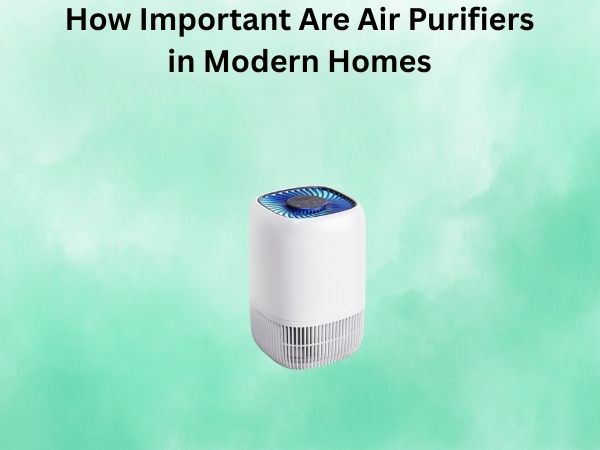
Air purifiers have become increasingly popular in recent years, and for good reason. They’re no longer just a luxury item for health-conscious folks—they’ve become a genuine necessity for many households. But are they truly as important as manufacturers claim? Let’s dive deep into this topic and explore what you really need to know about air purifiers in modern living.
Understanding What’s Actually in Your Home’s Air
Before we can really appreciate the importance of air purifiers, we need to understand what’s lurking invisibly in the air we breathe every day. Think of your home’s air like a soup—except instead of vegetables and broth, it’s filled with particles you can’t see.
Common Indoor Air Pollutants
Indoor air contains a surprising variety of contaminants. Dust particles, pet dander, mold spores, bacteria, and viruses are constantly floating around. Then there’s volatile organic compounds (VOCs) that come from paint, cleaning products, and furniture. Carbon monoxide from gas appliances, formaldehyde from building materials, and even radon seeping from the ground—it all accumulates in your enclosed space.
- Dust mites and their droppings
- Pet hair and dander from cats and dogs
- Mold and mildew spores
- Pollen trapped indoors
- Bacterial and viral particles
- Chemical fumes from household products
- Particulate matter from cooking
- Smoke particles and odors
- Radon and other radioactive elements
Why Your Home Traps These Pollutants
Modern homes are built to be energy efficient, which means they’re sealed tightly against the outside world. While this saves on heating and cooling costs, it also means that pollutants get trapped inside like prisoners in a cell. Without proper ventilation, these particles just keep recirculating through your living spaces, building up over time.
The Health Impact of Poor Indoor Air Quality
Now, you might be thinking, “Okay, so the air is dirty. Is it really that big of a deal?” The answer is absolutely yes, and the evidence is compelling.
Respiratory Problems and Allergies
When you’re constantly breathing in pollutants, your respiratory system bears the brunt of it. People with asthma, allergies, or chronic obstructive pulmonary disease (COPD) are particularly vulnerable. But here’s what surprises many people—even those without pre-existing conditions can develop respiratory issues from prolonged exposure to poor indoor air quality. It’s like smoking cigarettes in slow motion.
Long-Term Health Consequences
Research has shown that poor indoor air quality can lead to more serious health problems over time. We’re talking about increased risk of heart disease, stroke, and even cancer. Studies have found that people living in homes with high levels of particulate matter have significantly higher mortality rates. The World Health Organization has identified indoor air pollution as a major public health concern, ranking it among the top health risks globally.
Vulnerable Populations
Children are particularly susceptible because their lungs are still developing and they breathe more air per pound of body weight than adults. Elderly individuals often have weaker immune systems, making them more prone to infections. Pregnant women pass on the effects of poor air quality to their developing babies. If you have any of these vulnerable family members in your home, air quality becomes even more critical.
When Air Purifiers Become Essential
Not every home necessarily needs an air purifier, but certain situations make them absolutely essential rather than optional.
Living in High-Pollution Areas
If you live near busy highways, industrial areas, or in a city with significant smog problems, outdoor pollution seeps into your home. Air purifiers with HEPA filters can capture these particles before they settle into your lungs. I know someone who moved to a city with terrible air quality, and they said getting an air purifier was the difference between feeling sick constantly and actually being able to breathe comfortably indoors.
Household Members with Health Conditions
Anyone in your home suffering from asthma, allergies, or respiratory conditions will likely benefit tremendously from cleaner air. It’s not just about comfort—it’s about preventing serious health events and reducing medication dependence. Many people report needing fewer inhaler treatments after installing a quality air purifier.
Pets in Your Home
If you’re a pet owner, you’re dealing with constant shedding and dander. These particles trigger allergies in many people and just accumulate on surfaces and in your lungs. An air purifier can significantly reduce pet-related air quality issues.
Recent Renovations or New Furniture
When you’ve just painted, installed new flooring, or brought in new furniture, your home is flooded with VOCs and particulate matter. An air purifier running during and after these projects can dramatically reduce chemical off-gassing.
Different Types of Air Purifiers and Their Effectiveness
Not all air purifiers are created equal, and understanding the different technologies helps you make an informed decision.
HEPA Filters: The Gold Standard
HEPA filters are the most commonly recommended type, and for good reason. They can capture 99.97 percent of particles as small as 0.3 microns. That’s incredibly effective at removing dust, pollen, pet dander, and bacteria. Think of a HEPA filter like a microscopic net that catches almost everything that tries to pass through.
Activated Carbon Filters
These are excellent at removing odors, chemicals, and gases. If you’re dealing with cooking smells, pet odors, or chemical fumes, activated carbon is your answer. It works through a process called adsorption, where molecules stick to the carbon surface.
UV-C Light Technology
Some purifiers use ultraviolet light to kill bacteria and viruses. While effective at neutralizing these microorganisms, UV purifiers don’t physically remove particles, so they’re often combined with HEPA filters for comprehensive protection.
Ionizers: The Controversial Option
Ionizers release negatively charged ions that attach to particles, causing them to fall out of the air. However, some research suggests they may produce ozone as a byproduct, which itself is a pollutant. I’d recommend being cautious with ionizers unless you’re certain they don’t produce ozone.
How Air Purifiers Fit Into Your Overall Home Health Strategy
Here’s something important to understand—air purifiers aren’t a magic bullet. They’re one component of a comprehensive approach to indoor air quality.
Ventilation and Fresh Air Exchange
You still need to open windows and doors regularly to allow fresh air into your home. An air purifier can’t completely replace natural ventilation. Ideally, you’d run an air purifier for air cleaning while also ensuring your home gets fresh air exchanges.
Source Control Matters Most
The best strategy is preventing pollution from entering your home in the first place. Use natural cleaning products instead of harsh chemicals. Don’t smoke indoors. Ensure proper ventilation when cooking. Regularly vacuum with HEPA filters. These preventative measures are just as important as running an air purifier.
Humidity Control
High humidity promotes mold growth, while very dry air can irritate respiratory passages. Maintaining humidity between 30 and 50 percent is ideal. Some air purifiers include humidifiers or dehumidifiers, which adds another layer of air quality control.
Evaluating Whether Your Home Needs an Air Purifier
Let’s get practical. How do you know if your specific home would benefit from an air purifier?
Signs Your Home Needs Better Air Quality
- You notice dust settling quickly on surfaces
- Allergies or asthma symptoms get worse indoors
- You have persistent coughs or throat irritation at home
- There are noticeable odors you can’t eliminate
- Someone in your home has respiratory conditions
- You live in an area with outdoor air pollution
- You have pets that shed significantly
- You’ve recently renovated or brought in new furniture
Testing Your Indoor Air Quality
You can get your air professionally tested to know exactly what you’re dealing with. Some companies offer air quality testing kits that are relatively affordable. Alternatively, you can purchase an air quality monitor to track particulate matter, VOCs, and other pollutants over time.
The Economic Argument for Air Purifiers
Let’s talk money for a moment. Air purifiers require an initial investment, plus ongoing costs for filter replacements. But consider this from a cost-benefit perspective.
Healthcare Cost Savings
Fewer respiratory infections, reduced medication needs, fewer doctor visits, and potentially avoiding serious health conditions add up to substantial savings. If your air purifier prevents even one serious health event or reduces medication expenses, it’s already paid for itself.
Productivity and Quality of Life
When you’re not dealing with constant coughing, sneezing, or respiratory discomfort, you’re more productive at work and home. Your family enjoys a better quality of life. These intangible benefits are worth something too.
Choosing the Right Air Purifier for Your Home
If you’ve decided an air purifier makes sense for your situation, here are key factors to consider.
Room Size and Coverage Area
Air purifiers have different Clean Air Delivery Rates (CADR). Make sure you choose one that matches your room size. A small purifier in a large room simply won’t be effective. Most manufacturers specify the square footage their units cover.
Filter Replacement Costs and Frequency
Don’t just look at the initial price. Factor in how often you’ll need to replace filters and what those replacements cost. Some purifiers have expensive filters that need frequent changing, while others are more economical long-term.
Noise Level
If you’re placing the purifier in a bedroom, noise matters. Check the decibel rating, especially for nighttime operation. You want clean air without it sounding like a jet engine.
Smart Features and Automation
Modern air purifiers often include app control, air quality sensors, filter replacement reminders, and scheduling features. These conveniences can improve your likelihood of actually using and maintaining the device properly.
Common Misconceptions About Air Purifiers
Let me clear up some myths I hear frequently about air purifiers.
They Don’t Replace Opening Windows
Some people think an air purifier means they never need fresh outside air. That’s not true. While purifiers clean the air circulating indoors, you still need periodic fresh air exchange for overall health.
One Purifier Won’t Clean Your Whole House
If you place a purifier in your living room, it won’t significantly improve air quality in your bedroom. You might need multiple units or a whole-house system depending on your needs.
They Eliminate All Odors Instantly
Air purifiers need time to filter the air in a room, and they’re most effective when run continuously. Don’t expect instant odor elimination—it’s a gradual process.
Maintenance Tips for Maximum Effectiveness
An air purifier only works as well as you maintain it. Here’s how to keep yours running at peak performance.
Regular Filter Replacements
Follow the manufacturer’s recommendations for filter changes. A clogged filter reduces effectiveness dramatically. Most purifiers will have indicators telling you when replacement is needed.
Proper Placement
Position your purifier in a central location with good air circulation. Keep it away from walls and furniture that might block airflow. The more air can move through the unit, the more effective it becomes.
Consistent Operation
Air purifiers work best when run continuously, not sporadically. Leaving it on 24/7 might seem excessive, but continuous operation provides the most benefit. Many models have energy-saving modes that keep operating costs down.
The Bottom Line: Are Air Purifiers Really Important?
After examining all this information, the answer is nuanced. Air purifiers are genuinely important for certain situations and people, but they’re not universally essential for every home.
If you have health conditions, live in a polluted area, own pets, have young children or elderly family members, or have recently renovated, an air purifier is a worthwhile investment. If you’re generally healthy, live in an area with good air quality, and maintain good ventilation practices, you might not absolutely need one.
What I can tell you definitively is this: clean indoor air is worth prioritizing. Whether that comes from an air purifier, better ventilation, source control, or a combination of all three, breathing clean air should be a non-negotiable part of your home environment.
Conclusion
The importance of air purifiers in modern homes really depends on your individual circumstances, but there’s no denying that indoor air quality has become a legitimate health concern. We spend so much time indoors that the air we breathe deserves serious attention. Air purifiers represent a practical solution to a very real problem—contaminated indoor air that we can’t see but definitely can feel in our health and wellbeing.
If you’re experiencing respiratory issues, live in a polluted area, have pets, or have vulnerable family members, an air purifier isn’t a luxury—it’s a necessity. Even if none of these apply to you, the minimal investment in an air quality monitor can tell you whether your home actually needs one. Knowledge is power, and when it comes to your family’s health, that’s the most important power of all.
Think of an air purifier less as a purchase and more as an investment in your family’s long-term health and quality of life. That’s the real importance of air purifiers in modern homes.
Frequently Asked Questions About Air Purifiers
How long does it take for an air purifier to clean a room?
The time it takes depends on the room size, the purifier’s Clean Air Delivery Rate (CADR), and the initial pollution level. Generally, a properly sized air purifier can clean a room’s air several times per hour. Most people notice improvements in air quality within the first few hours of operation, though maximum benefit is achieved after running continuously for several days. Think of it like filling a bathtub—it doesn’t happen instantly