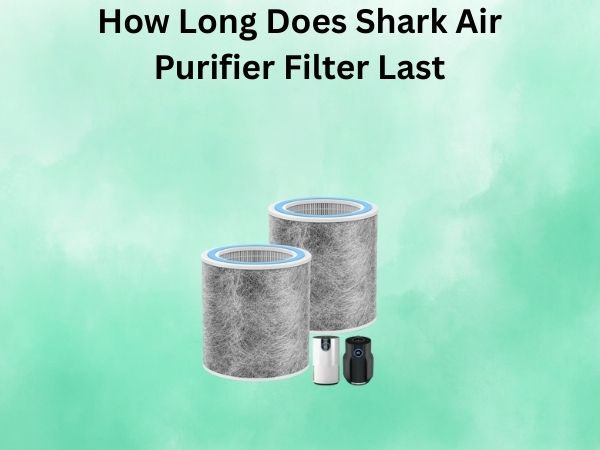
How Long Does Shark Air Purifier Filter Last? A Complete Guide to Filter Lifespan
So, you’ve brought home a new Shark air purifier – great choice! Now, one of the first things on your mind is likely how long those filters actually last before needing a change. This isn’t just a minor detail; understanding your filter’s lifespan is key to both saving money and consistently enjoying fresh, clean air. I’m here to guide you through all the essential details about your Shark air purifier filter longevity.
Quick Answer: What’s the Typical Filter Lifespan?
The straightforward answer is that most Shark air purifier filters last between 6 to 12 months under normal household conditions. However, this isn’t a one-size-fits-all situation. Think of it like your car’s oil filter—the lifespan depends on how hard your filter is working. If you’re running your purifier 24/7 in a dusty environment, your filter will wear out faster than someone who runs it occasionally in a clean space.
Understanding Filter Types in Shark Air Purifiers
Before we dive deeper, let’s talk about the different filters you might encounter in Shark models. Most Shark air purifiers use a combination of filters working together, kind of like a team protecting your home.
Pre-Filters and Their Role
The pre-filter is your first line of defense. It captures larger particles like dust, pet hair, and debris. These filters typically last 3 to 6 months depending on usage. The pre-filter is like a bouncer at a club—it stops the big stuff from getting through. When you use your purifier regularly, the pre-filter accumulates particles quickly, which is why it needs replacement more frequently than deeper filters.
HEPA Filters: The Main Powerhouse
The HEPA filter is where the real magic happens. This is the component that captures 99.97% of particles as small as 0.3 microns. We’re talking about pollen, mold spores, and even some bacteria. HEPA filters in Shark purifiers typically last between 6 to 12 months. These are built to last longer because they’re designed to handle the heavy lifting after the pre-filter has done its job.
Activated Carbon Filters
If you’re dealing with odors, smoke, or chemical smells, your Shark purifier probably includes an activated carbon filter. These filters absorb odors and volatile organic compounds. Carbon filters usually last around 3 to 6 months, sometimes shorter if you’re dealing with strong smells or cooking odors regularly. Think of it like a sponge that eventually gets saturated and can’t absorb anymore.
Factors That Affect Your Shark Filter’s Lifespan
The lifespan of your filter isn’t set in stone. Several variables can either extend or shorten how long your filter remains effective.
Usage Hours Matter
How many hours per day are you running your Shark air purifier? If you’re running it 24/7, you can expect filters to reach their replacement point faster than someone running it just a few hours daily. It’s simple math—more usage equals faster filter saturation. Some users find they need to replace filters every 6 months with continuous use, while others stretch it to 12 months with moderate usage.
Indoor Air Quality and Environment
Your home’s starting point makes a huge difference. Do you have pets? Are you in an urban area with higher pollution? Do you cook frequently with your kitchen’s oil and smoke? Do you have carpet or hard floors? These factors all impact how quickly your filter gets clogged. A home with multiple cats and dogs will need filter replacements much sooner than a neat, pet-free apartment with excellent ventilation.
Room Size and Purifier Placement
Using your Shark purifier in the right-sized room is crucial. If your purifier is designed for a 300-square-foot room but you’re using it in a 500-square-foot space, it’s working harder and will clog faster. Similarly, where you place the purifier matters. Placing it near a source of pollution like a kitchen or a pet’s favorite spot means it works overtime.
Filter Maintenance and Cleaning
Here’s something many people don’t realize—you can extend your filter’s life through proper maintenance. Vacuuming or tapping your pre-filter monthly can actually extend its life significantly. However, HEPA and carbon filters shouldn’t be vacuumed, as this can damage them. Still, proper care and keeping your home relatively clean helps everything last longer.
Signs Your Shark Filter Needs Replacement
You shouldn’t just rely on the calendar to tell you when to replace your filter. Your Shark purifier gives you clues that it’s time for a change.
Check Your Filter Indicator Light
Most modern Shark air purifiers have a filter indicator light that tells you when it’s time to replace the filter. This is honestly the most reliable way to know. The light might turn yellow or red, depending on your model. Pay attention to this indicator—it’s been programmed based on average usage patterns and air quality.
Reduced Airflow or Performance
Notice your purifier isn’t pushing out air like it used to? That reduced airflow is a telltale sign that your filter is clogged. It’s the same reason your vacuum doesn’t work as well when the filter is full. When you notice decreased performance, even if the indicator light hasn’t changed yet, it might be time to consider a replacement.
Unpleasant Odors Return
If odors start coming back into your home despite running your purifier regularly, your carbon filter has likely reached the end of its life. The activated carbon has absorbed all it can and needs refreshing. This is particularly noticeable if you were previously smelling dramatic improvements in your air quality.
Visible Filter Discoloration
Take a look at your filter when you can. A clean or light-colored filter shows it still has work left. A heavily darkened or discolored filter is working overtime and is approaching retirement. The dirtier and darker it looks, the less effective it becomes.
Different Shark Models and Their Filter Specifications
Not all Shark air purifiers are created equal. Different models have different filter types and lifespans.
Shark UltraClean Series
The UltraClean models typically feature three-stage filtration with filters lasting around 6 to 12 months under normal conditions. These are great mid-range purifiers designed for average households.
Shark Air Purifier Max
The Air Purifier Max is a higher-end model with more advanced filtration. You can expect the HEPA filter to last around 12 months, while the pre-filter might need replacement every 6 months. This model is designed for heavier usage.
Shark Vertex Series
Vertex models are engineered for higher performance and larger spaces. The filters in these units often last similarly to the Max series—about 12 months for the main HEPA filter and 6 months for pre-filters.
Model-Specific Considerations
Always check your specific model’s user manual for exact filter replacement recommendations. Shark provides detailed guidance for each product, and these specifications are based on their testing and real-world usage data.
Cost of Replacement Filters
Let’s talk about the financial aspect. Replacement filters aren’t free, so understanding the cost helps you budget properly.
Typical Filter Replacement Costs
A replacement HEPA filter for a Shark air purifier typically costs between $30 to $50. Pre-filters run about $15 to $25, and carbon filters are usually in the $15 to $30 range. Buying all three filters at once might cost $60 to $100. It sounds like an investment, but spread over 6 to 12 months, it works out to less than a dollar per day for cleaner air.
Where to Buy Replacement Filters
You can purchase Shark replacement filters from several sources. Amazon offers fast shipping and competitive prices. Walmart has them both in-store and online. Best Buy carries some models. You can also buy directly from Shark’s website, though shipping might take longer. Compare prices before buying, as sometimes bundles offer better value than individual filters.
Tips to Maximize Your Filter Lifespan
Want to get the most out of your filters before replacement? Here are some practical strategies.
Keep Your Home Cleaner
Regular vacuuming, dusting, and general tidiness reduces the burden on your air purifier. This is the single most effective way to extend filter life. A cleaner home means fewer particles for your filters to capture.
Vacuum or Tap the Pre-Filter Monthly
Take your pre-filter and gently tap it over a trash can to dislodge accumulated dust. Some pre-filters are washable with cool water and should be dried completely before reinstalling. Check your manual for whether your specific pre-filter is washable. This maintenance can extend pre-filter life by several months.
Use Your Purifier in the Right Room Size
Match your purifier to the room size it’s designed for. Using a smaller purifier in a larger space forces it to work harder and reduces filter lifespan. Similarly, using a larger purifier in a small room is overkill but won’t harm anything.
Minimize Pollution Sources
If possible, reduce things that create pollution. Use your kitchen exhaust fan when cooking, don’t smoke indoors, and address any moisture issues that could promote mold growth. These actions lighten the load on your air purifier.
Keep the Unit Clean
Dust the exterior vents of your purifier monthly with a soft cloth. When vents are clogged with dust, your purifier works harder to pull air through, which can shorten filter life.
Seasonal Variations in Filter Life
Did you know that seasons affect how long your filters last?
Spring and Summer Challenges
Spring brings pollen season, which means your air purifier is working overtime capturing allergens. You might notice your filter needs replacement sooner during these months. Similarly, summer cooking and increased outdoor activity mean more particles entering your home.
Fall and Winter Considerations
Fall brings falling leaves and mold spores. Winter means closed windows and increased indoor heating, which can dry out air and create dust. Many people run their purifiers more in winter for comfort, which accelerates filter clogging.
The Cost-Benefit of Regular Filter Replacement
Some people delay replacing filters to save money, but this is actually penny-wise and pound-foolish. A clogged filter forces your purifier to work harder, consuming more electricity. Additionally, filters lose effectiveness as they clog, meaning you’re not getting the air quality benefits you paid for. Regular replacement ensures optimal performance and extends your purifier’s overall lifespan.
Warranty and Filter Guarantees
Most Shark air purifiers come with a warranty on the unit itself, typically one to two years. However, filters are usually considered consumables and aren’t covered under warranty. This is standard across the industry. Some retailers offer extended warranties that might cover filter replacements, so check your purchase details.
Environmental Impact of Filter Replacement
It’s worth considering that replacing filters creates waste. Some Shark filters are recyclable, so check with your local recycling center about proper disposal. Alternatively, some vendors offer filter recycling programs. While filter replacement does have environmental implications, the health benefits of breathing cleaner air typically outweigh these concerns.
Conclusion
So, how long does a Shark air purifier filter last? The honest answer is that it depends on multiple factors, but generally you’re looking at 6 to 12 months for HEPA filters, 3 to 6 months for pre-filters, and 3 to 6 months for carbon filters under normal household conditions. The key is paying attention to your specific model’s indicator lights, watching for performance changes, and maintaining your purifier properly. By understanding these factors and following the tips I’ve shared, you can ensure that your Shark air purifier continues to provide the clean, fresh air your home deserves. Regular filter replacement isn’t just maintenance—it’s an investment in your family’s health and the air you breathe every single day. Don’t wait for dramatic performance loss before replacing your filters. Stay proactive, and your air quality will thank you.
Frequently Asked Questions
Can I clean and reuse my Shark HEPA filter instead of replacing it?
No, HEPA filters should not be cleaned or reused in the way pre-filters can be. Attempting to wash or vacuum a HEPA filter can damage the delicate fibers that make it effective at capturing ultra-fine particles. Once a HEPA filter has reached the end of its life, it needs to be replaced. Pre-filters are different and can often be gently vacuumed or washed, but HEPA filters are designed for single use until replacement.
What happens if I use an expired or very dirty Shark filter?
Using an expired or very dirty filter significantly reduces your purifier’s effectiveness. A clogged filter can’t capture new particles properly, so you’re essentially running your purifier without getting the benefits you paid for. Additionally, a heavily clogged filter forces your purifier’s motor to work harder, consuming more electricity and potentially reducing the lifespan of your machine. It’s like trying to run a marathon with a weighted backpack—it’s inefficient and hard on the equipment.
Are Shark replacement filters expensive compared to other brands?
Shark replacement filters are competitively priced within the air purifier market. While they’re not the cheapest option available, they’re not overly expensive either. The price is reasonable for genuine OEM filters that are designed specifically for your purifier. You can sometimes find deals through bulk purchases or sales, but budget around $50 to $100 annually for filter replacements depending on your usage and which filters need changing.
How do I know which filter to order for my specific Shark model?
The best way is to check your purifier’s manual or look for the model number on your unit itself. You can then search for that model number on Amazon, Shark’s website, or other retailers, and they’ll show you the correct replacement filters. Shark’s official website also has a filter finder tool where you can enter your model number and get directed to the exact filters you need. Never guess which filter to buy—getting the wrong one won’t fit properly and won’t work effectively.
Is it worth buying third-party filters instead of genuine Shark filters?
While third-party filters are cheaper, I’d recommend sticking with genuine Shark filters when possible. Genuine filters are engineered specifically for your purifier and meet Shark’s quality standards. Third-party filters might not seal properly, could have different filtration efficiency, or might even damage your machine. It’s a situation where the savings don’t justify the potential risks. That said, if you find a reputable third-party manufacturer with good reviews, it might be acceptable, but genuine filters are the safest choice.
“`