How Long After Hysterectomy Can I Vacuum?
Generally, you can expect to resume vacuuming about 4 to 6 weeks after a hysterectomy, but it really depends on your individual healing progress and your doctor’s advice. It’s important to avoid strenuous activities, and vacuuming involves bending, twisting, and lifting, which can strain your abdominal incision. Always listen to your body and get the all-clear from your healthcare provider before picking up that vacuum.
Recovery from a hysterectomy is a marathon, not a sprint. While many women feel significantly better after a few weeks, your internal healing continues for months. Gentle movement is encouraged, but activities that put pressure on your abdomen, like heavy lifting or vigorous chores, need to be eased back into slowly. Getting back to vacuuming means your core muscles are ready to handle the job without risking injury or slowing your recovery.
- Vacuuming usually becomes okay around 4-6 weeks post-hysterectomy.
- Always follow your doctor’s specific guidance for activity.
- Avoid strenuous tasks that strain your abdomen.
- Listen to your body and don’t rush back to chores.
- Your internal healing is just as important as your external recovery.
Let’s walk through exactly what your doctor might look for and how to ease back into household tasks like vacuuming safely.
Getting Back to Chores: When Can You Vacuum After Hysterectomy?
You’re likely eager to get back to your routine. Many women wonder when they can safely pick up the vacuum cleaner. Generally, you can plan on resuming vacuuming around 4 to 6 weeks after your hysterectomy. This timeline is a common guideline, but it’s really your body’s healing and your doctor’s approval that matter most.
Vacuuming involves movements that can stress your healing incision and internal tissues. This includes bending, twisting, and potentially lifting the vacuum itself. Doing too much too soon can slow down your recovery. Your doctor will give you the final say based on how your body is healing (Cleveland Clinic).
Understanding Your Recovery Timeline
Recovery after a hysterectomy isn’t just about how you feel on the outside. Your internal healing is just as important, and it takes time. Most doctors recommend **limiting strenuous activity for at least 4-6 weeks**. This is to allow your incisions to close properly and your internal tissues to mend. Think of it like letting a delicate piece of art dry without touching it.
What Does “Strenuous Activity” Mean?
This is a common question! Strenuous means anything that makes your heart pound or makes you strain. For hysterectomy recovery, this includes activities that put pressure on your abdominal muscles. Things like heavy lifting (more than 10-20 pounds), vigorous exercise, and yes, even vigorous cleaning fall into this category. Vacuuming, with its pushing, pulling, and bending, definitely counts as more than gentle activity.
Signs Your Body is Ready
How do you know if you’re ready? Your body will give you clues. You should feel significantly less pain and fatigue. You should be able to move around more freely without discomfort. Most importantly, your doctor will assess your progress. They’ll check your incision sites and ask about your energy levels. Don’t hesitate to ask them directly, “Am I ready to start light chores like vacuuming?”
The Mechanics of Vacuuming and Your Hysterectomy
Let’s break down why vacuuming requires caution. When you vacuum, you engage your core muscles. This includes your abdomen and back. After a hysterectomy, these muscles need time to heal. Pushing and pulling the vacuum can strain the surgical site. It can also cause internal pressure. This pressure can hinder the healing process.
Bending and Twisting Concerns
The act of bending over to reach tight spots or twisting to maneuver the vacuum can be particularly challenging. These motions can pull on your stitches or surgical staples. They can also aggravate internal sutures. Imagine doing a sit-up; that’s the kind of strain you want to avoid early on. Many surgical recovery guidelines advise against these types of movements for several weeks (NIH).
Lifting the Vacuum Cleaner
Some vacuum cleaners are lighter than others. However, lifting any vacuum, even a lightweight model, can be problematic. It often requires bending and twisting. It also involves lifting, which is a definite no-no in the initial recovery period. A common recommendation is to avoid lifting anything heavier than a gallon of milk for the first few weeks (Mayo Clinic).
Easing Back into Household Tasks
Once your doctor gives you the green light, you don’t have to tackle the entire house at once. Start small. You can begin with a quick once-over of one room. Pay close attention to how your body feels during and after. If you experience any increased pain, bleeding, or discomfort, stop immediately.
A Gradual Approach to Cleaning
Think of it as a phased approach. Perhaps week one post-clearance, you vacuum one high-traffic area. The next week, you might add another room or two. As you get closer to the 6-8 week mark, you can gradually increase the duration and intensity. This slow and steady method helps your body adapt without overexertion.
When to Absolutely Wait
There are times when you should definitely hold off on vacuuming, even if you’re nearing the 4-6 week mark. If you’re still experiencing significant pain, notice any drainage from your incision, or feel unusually tired, it’s best to wait. Your internal healing is the priority. Don’t let household chores rush that process.
Your Doctor’s Guidance is Key
This cannot be stressed enough: your surgeon’s advice is the ultimate guide. They know your specific surgery and your healing progress. They will provide personalized instructions regarding activity levels. Always communicate openly with your healthcare team about any concerns or symptoms you experience.
Preparing for Your Post-Op Visits
During your follow-up appointments, be prepared to discuss your activity level. Your doctor may ask you specific questions about lifting, bending, and household chores. This is your opportunity to get clear answers about when you can safely resume activities like vacuuming. Don’t be shy about asking for clarification.
Checklist: Ready to Vacuum?
Before you plug in that vacuum, consider this quick checklist:
- Have you had your 4-6 week post-operative check-up?
- Did your doctor give you explicit permission to resume light chores?
- Is your pain well-controlled with minimal or no medication?
- Do you feel generally stronger and have more energy?
- Are you able to walk around for extended periods without pain?
- Can you bend and twist slightly without discomfort?
| Timeframe | Typical Activity Level | Vacuuming Status |
|---|---|---|
| 0-2 Weeks | Rest, gentle walking, minimal exertion | No |
| 2-4 Weeks | Increased walking, light household tasks (no lifting/bending) | Likely No |
| 4-6 Weeks | Doctor’s assessment; gradual return to normal activity possible | Maybe, with doctor’s approval |
| 6-8 Weeks & Beyond | Most normal activities resumed, listen to your body | Generally Yes, if cleared by doctor |
Conclusion
Getting back to vacuuming after your hysterectomy is a milestone that signals your recovery is progressing well. Remember, the general guideline of 4 to 6 weeks is just a starting point. Your body’s healing journey is unique. Always prioritize your surgeon’s advice and listen carefully to your body’s signals. Gradually reintroducing chores like vacuuming will help you avoid setbacks and ensure a safe return to your routine. Be patient with yourself, and celebrate each step forward in your healing process.
Frequently Asked Questions
What if my vacuum is very heavy?
If your vacuum is heavy or requires a lot of force to push, it’s best to wait longer than the typical 4-6 week period. Ask your doctor for specific advice on when you might manage heavier appliances. Consider getting help from a family member or friend to vacuum until you’re fully cleared.
Can I just vacuum a small area?
Starting with a small, easy-to-reach area, like a single rug or a short hallway, can be a good way to test your body’s readiness. However, even this should only be done if your doctor has given you permission for light chores. Pay close attention to how you feel afterward.
What if I feel tired after trying to vacuum?
Feeling tired is a sign that you might be doing too much, too soon. It’s important to rest if you experience fatigue after a light activity. Pushing yourself too hard can slow down your overall recovery. Wait a few more days or a week and try again, or consult your doctor.
Are there any specific types of vacuums I should avoid?
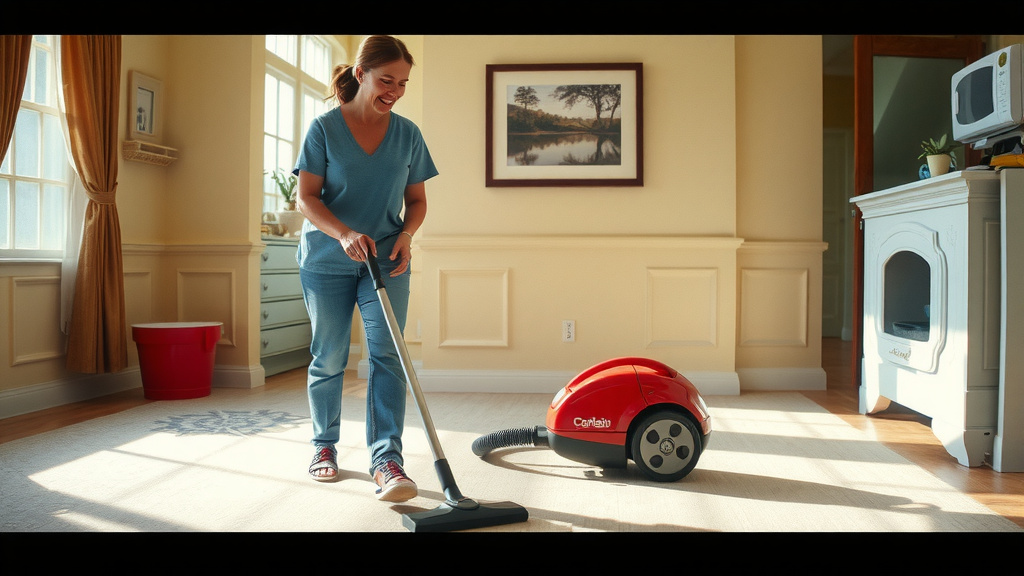
You should generally avoid vacuums that require significant bending, twisting, or heavy pushing and pulling. Stick to lighter, more maneuverable models if possible. Canister vacuums might be easier to manage than upright ones, but your doctor’s clearance is the most important factor.
What if my incision hurts when I try to vacuum?
Any pain at your incision site is a clear indication that you should stop immediately. Vacuuming involves movements that can put strain on your healing tissues. If you experience incision pain, wait at least another week and check in with your doctor before attempting any similar activities.



![7 Best Food Vacuum Sealer For Sous Vide [2026]](https://bathroomexplorer.com/wp-content/uploads/2026/05/7-best-food-vacuum-sealer-for-sous-vide-2026-featured-768x432.jpg)