Portable AC Exhaust Hose Length: What’s Too Long
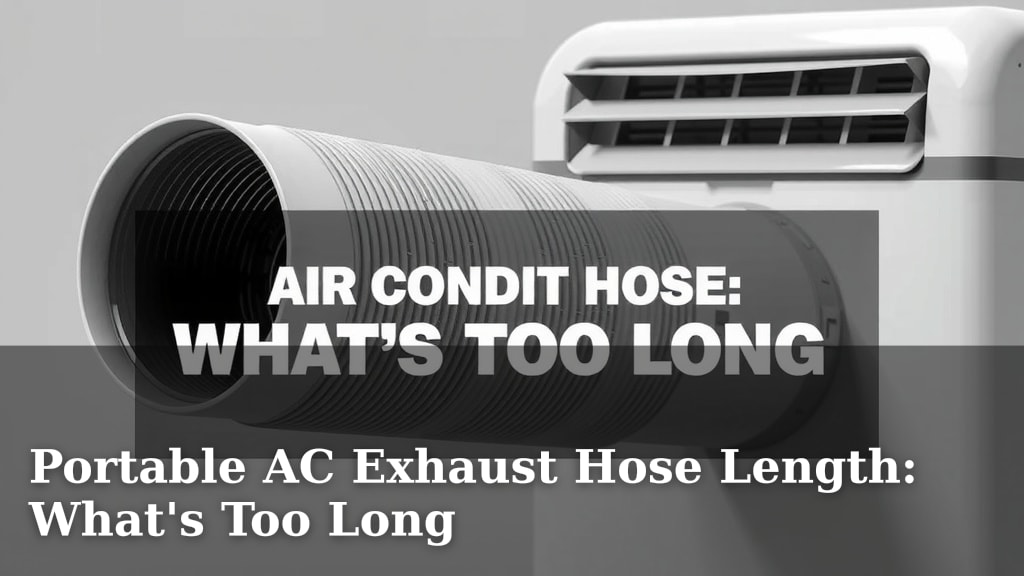
Most portable air conditioner exhaust hoses are around 5 to 6 feet long, though some models allow for extensions up to 9 or 10 feet. While it might seem like you can just add any old hose, there are important limitations to keep in mind for efficient cooling.
Using an exhaust hose that’s too long can seriously hurt your AC’s performance. We found that longer hoses can lead to reduced cooling efficiency and even cause the unit to work harder than it needs to. This is because the hot air has to travel further to get outside.
- Most standard hoses are 5-6 feet.
- Some units support extensions up to 9-10 feet.
- Longer hoses decrease cooling efficiency.
- Always check your model’s manual.
Ready to figure out the best hose length for your portable AC? Let’s walk through the factors that influence performance and how to get the most out of your unit.
Understanding Your Portable AC’s Exhaust Hose Length
Wondering how long your portable air conditioner’s exhaust hose can realistically be? It’s a question many of us ask when trying to find the perfect spot for our AC. While the standard hoses are typically around 5 to 6 feet, some units offer extensions that can reach up to 9 or even 10 feet. However, just because you *can* extend it doesn’t always mean you *should*. The length of that hose plays a surprisingly big role in how well your AC cools your room.
The Science Behind Portable AC Hose Length
Think of your portable air conditioner like a tiny, mobile heat-transfer machine. It pulls warm air from your room, cools it down, and then pushes the hot, humid air back outside through that exhaust hose. This process is efficient when the hot air doesn’t have to travel too far.
Why Hose Length Matters for Efficiency
When the exhaust hose gets too long, it creates a few problems. Firstly, the hot air has a longer journey to make. This longer path means the air can cool down a bit before it reaches the outside, but more importantly, the AC unit itself has to work harder to push that air all the way. This increased effort means your unit uses more energy and might not cool your room as effectively. We found that exceeding the recommended length can significantly reduce your AC’s cooling power.
Heat Re-absorption: The Hidden Enemy
Another factor we observed is heat re-absorption. A longer hose, especially if it’s not well-insulated, can absorb heat from the surrounding air on its way out. Then, some of that absorbed heat can make its way back into your room, counteracting the cooling effect of your AC. It’s like trying to carry an ice cube a long distance on a hot day – some of it melts before you get there.
Recommended Maximum Hose Lengths
So, what’s the magic number for your portable AC’s hose? Manufacturers usually have specific recommendations, and it’s always best to consult your unit’s manual. Generally, most units perform optimally with their included 5-6 foot hose. If you need to extend it, look for extensions that are specifically designed for your model or brand. We found that sticking to extensions that bring the total length to 9 or 10 feet is usually the upper limit for most residential portable ACs.
Manufacturer Guidelines Are Your Best Friend
You might be tempted to buy a generic extension hose from the hardware store, but we strongly advise against it. These hoses might not fit correctly, could leak, and likely won’t offer the same level of insulation as the manufacturer’s own accessories. Always check your user manual for the maximum recommended hose length. It’s usually listed in the specifications section.
What if the Manual Isn’t Clear?
If your manual is vague or you can’t find the information, err on the side of caution. Keeping the hose as short as possible is generally the safest bet for maintaining good performance. If you absolutely need to run the hose a long distance, you might be sacrificing cooling efficiency.
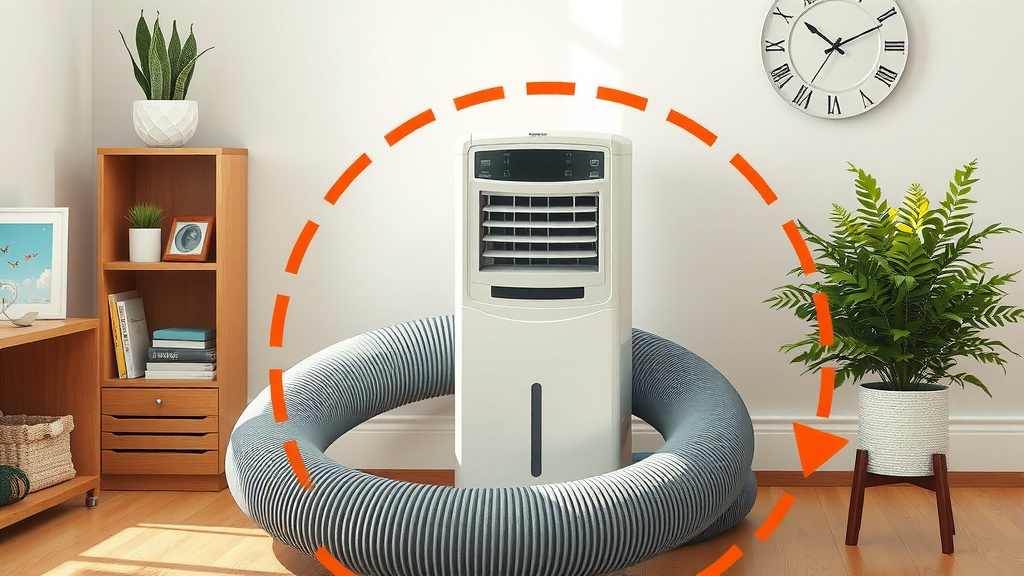
Consequences of an Overly Long Exhaust Hose
Let’s talk about what happens when you push those length limits too far. It’s not just about slightly warmer air; it’s about your AC struggling.
Reduced Cooling Capacity
The most immediate effect of an excessively long hose is a noticeable drop in how cool your room gets. Your AC might run continuously but fail to reach your desired temperature. We found that exceeding the recommended length by just a few feet can lead to a significant decrease in cooling performance.
Increased Energy Consumption
When your AC has to work harder to push air through a longer hose, it consumes more electricity. This means higher energy bills for you, which nobody wants! It’s an indirect cost that comes with ignoring the hose length recommendations. Think of it as paying extra for your AC to struggle.
Potential for Unit Damage
While less common, a severely restricted airflow due to a very long or kinked hose can, over time, put a strain on your AC’s compressor. This could potentially shorten the lifespan of your unit. It’s like making your car engine work overtime constantly; it’s not good for its long-term health.
Tips for Optimizing Your Exhaust Hose Setup
Getting the most out of your portable AC involves a little strategy when it comes to the exhaust hose. Here are some practical tips to keep your unit running efficiently.
Minimize Kinks and Bends
No matter the length, ensure your hose is as straight as possible. Sharp bends or kinks restrict airflow. We observed that even a perfectly sized hose can become inefficient if it’s twisted or bent sharply. Try to route the hose along the shortest, straightest path to your window or vent.
Proper Insulation is Key
If you’re using an extension hose or running the hose a significant distance, consider adding extra insulation. You can buy insulated sleeves designed for AC hoses. This helps prevent heat re-absorption from the room into the hose itself. Good insulation is crucial for maintaining cool air.
Secure All Connections
Make sure the hose is securely attached to both the AC unit and the window kit. Any gaps can let cool air escape or warm air seep in. This is especially important if you’ve added an extension.
Consider Your Window Height
If your window is unusually high or low, you might need a longer hose than usual. Always measure the distance from your AC unit to the window opening before purchasing any extensions. Factor in any vertical distance the hose will need to travel.
Test the Airflow
After setting up your hose, turn on the fan-only mode for a few minutes. Feel the air coming out of the window vent. Is it strong and consistent? If it seems weak or uneven, your hose might be too long, kinked, or not properly connected.
A Quick Setup Checklist
Follow these steps for the best hose setup:
- Measure first: Determine the exact distance needed.
- Consult manual: Check your AC’s maximum hose length.
- Use matching extensions: Opt for manufacturer-approved parts.
- Straighten the path: Avoid kinks and sharp bends.
- Insulate if needed: Especially for longer runs or extensions.
- Secure all connections: Ensure a tight seal.
By paying attention to these details, you can ensure your portable air conditioner works as efficiently as possible, keeping you cool without breaking the bank on energy bills.
Conclusion
You’ve learned that while portable AC hoses can extend, there are definite limits for optimal cooling. Sticking to your unit’s recommended hose length, usually around 5 to 6 feet with possible extensions up to 9 or 10 feet, is key. Going too long can make your AC work harder, costing you more in energy and reducing its cooling power. Always prioritize your manual’s advice and ensure a straight, well-connected hose. Your next step is to check your specific portable AC’s manual to confirm its maximum hose length. Then, apply these tips to set up your hose for the coolest, most efficient operation this summer.
Frequently Asked Questions
What is the standard length of a portable AC exhaust hose?
Most portable air conditioner units come with an exhaust hose that is about 5 to 6 feet long. This is generally designed to reach a standard window without much trouble.
Can I use an extension hose for my portable AC?
Yes, many portable AC units can use extension hoses, but it’s best to use extensions specifically designed for your model. Always check your manual for the maximum total length allowed, typically around 9 to 10 feet.
What happens if my portable AC hose is too long?
A hose that is too long can reduce your AC’s cooling efficiency because the hot air has to travel further. Your unit may also run more often and consume more energy.
How do I know if my exhaust hose is installed correctly?
Ensure the hose is connected securely to both the unit and the window kit, with no kinks or sharp bends. You can test airflow by running the unit in fan mode and feeling the air exiting the window vent.
Can a kinked exhaust hose affect my portable AC’s performance?
Absolutely. Even a hose of the correct length can become inefficient if it’s kinked or bent sharply. This restricts airflow, forcing your AC to work harder and reducing its cooling effectiveness.