
How Long Can Your Air Conditioner Run Continuously
An air conditioner can run continuously for long periods, often 24 hours a day, without necessarily causing damage. Modern AC units are designed for sustained operation, especially during extremely hot weather. As long as your system is properly maintained and sized for your home, it should handle continuous use. We found that issues typically arise from poor maintenance or improper installation rather than the unit’s running time.
However, allowing your AC to run non-stop might not always be the most energy-efficient choice. Continuous operation means your system is constantly working to maintain a set temperature. This can lead to higher electricity bills if not managed smartly. Many experts suggest smart thermostat use to regulate cycles and reduce unnecessary strain on your air conditioning system.
- Your AC can run continuously, often 24/7.
- Damage is usually due to poor maintenance, not runtime.
- Continuous use can increase energy bills.
- Smart thermostats help manage runtime and efficiency.
- Regular maintenance is key for longevity.
Let’s break down what makes your air conditioner run continuously and how you can ensure it does so without problems. We’ll cover everything from system checks to energy-saving tips.
How Long Can an Air Conditioner Keep Running?
Your air conditioner is built to last through the hottest days. It’s designed to run for extended periods. Many units can operate continuously, even for 24 hours straight, without suffering damage. This is especially true for modern, well-maintained systems. The key is that your system is properly sized for your home and receives regular upkeep.
Understanding Your Air Conditioner’s Cycles
An air conditioner works by cycling on and off. It cools your home to a set temperature. Then, it shuts off until the temperature rises again. This is a normal part of its operation. If your AC is constantly running, it means it’s working hard to keep up with the heat.
When Does Continuous Running Become a Problem?
While running continuously isn’t inherently bad, it can signal underlying issues. If your AC never cycles off, it might be struggling. This could be due to several factors. We found that poor maintenance is a common culprit. Dirt buildup on coils or filters makes the unit work harder.
Another reason could be that the unit is too small for your space. It may struggle to reach the set temperature. In such cases, it runs constantly. This constant strain can shorten its lifespan. It also uses more electricity. We found that properly sizing your unit is vital for efficiency and longevity.
Signs Your AC is Running Too Much
You might notice a few things if your AC is overworking itself. One sign is if your home doesn’t feel as cool as it should. Another is if you hear strange noises from the unit. You might also see a significant jump in your energy bills. These are signals to pay attention to.
Factors Affecting Your AC’s Runtime
Several things influence how long your air conditioner needs to run. Understanding these can help you manage its performance and your energy use.
Outside Temperature and Humidity
The most obvious factor is the weather. On extremely hot and humid days, your AC will need to run longer. It’s trying to combat the heat trying to get inside your home. High humidity also makes the air feel warmer. Your AC works harder to remove that moisture.
Think of it like trying to cool a car on a scorching day. If the windows are open, it’s much harder to cool. Similarly, if your home isn’t sealed well, warm air creeps in. This forces your AC to run more often.
Home Insulation and Sealing
Good insulation acts like a blanket for your home. It keeps the cool air in and the hot air out. If your attic, walls, or windows aren’t well-insulated, cool air escapes easily. Warm air from outside then finds its way in. This makes your AC work overtime.
We found that sealing air leaks is just as important. Check around windows, doors, and where pipes or wires enter your home. Small gaps can let a lot of air escape. Weatherstripping and caulk can seal these leaks effectively.
Thermostat Settings and Usage
How you set your thermostat plays a big role. Setting it to a very low temperature will make the AC run longer. It will try to reach and maintain that lower temperature. For example, setting it to 70°F will require more work than setting it to 75°F.
Many experts recommend using a programmable or smart thermostat. These devices can help manage your AC’s run time. You can set schedules. This allows the AC to cool your home when you need it most. It can then run less when you’re away or asleep. We found that this smart approach can save energy and reduce wear and tear.
Sizing and Condition of the Unit
An air conditioner that is too small for your home will run constantly. It simply cannot cool the space efficiently. Conversely, a unit that is too large might short-cycle. This means it cools the air too quickly and shuts off. Then it turns back on shortly after. Neither extreme is ideal.
The overall condition of your AC is also critical. Dirty filters, clogged coils, or low refrigerant levels all make the unit work harder. This can lead to continuous running. Regular professional maintenance can prevent these issues. Experts suggest an annual check-up for optimal performance (Air Conditioning Contractors of America).
What Happens When AC Runs Continuously?
When your AC runs non-stop, it’s constantly using energy. This can lead to higher electricity bills. While modern units are durable, constant operation does put more strain on components over time. It’s like driving a car at high speeds for days on end. It might hold up, but it’s not ideal.
Energy Consumption and Bills
The most direct impact of continuous AC use is on your energy bill. Your AC unit is one of the biggest energy consumers in your home. Running it 24/7, especially during peak heat, can significantly increase costs. We found that efficiency ratings matter here. Higher SEER (Seasonal Energy Efficiency Ratio) ratings mean more efficient cooling.
Wear and Tear on Components
Every component in your AC system has a lifespan. Running continuously means these parts are in use more often. This can lead to faster wear and tear. For example, the compressor is the heart of your AC. Constant running means the compressor is working more. This can potentially reduce its overall lifespan compared to a unit that cycles normally.
Potential for Overcooling
Sometimes, an AC that runs too much can overcool your home. You might find yourself reaching for a sweater indoors even when it’s 95°F outside. Overcooling is not only uncomfortable but also a waste of energy. This is a sign that the system’s cycle control might not be working optimally.
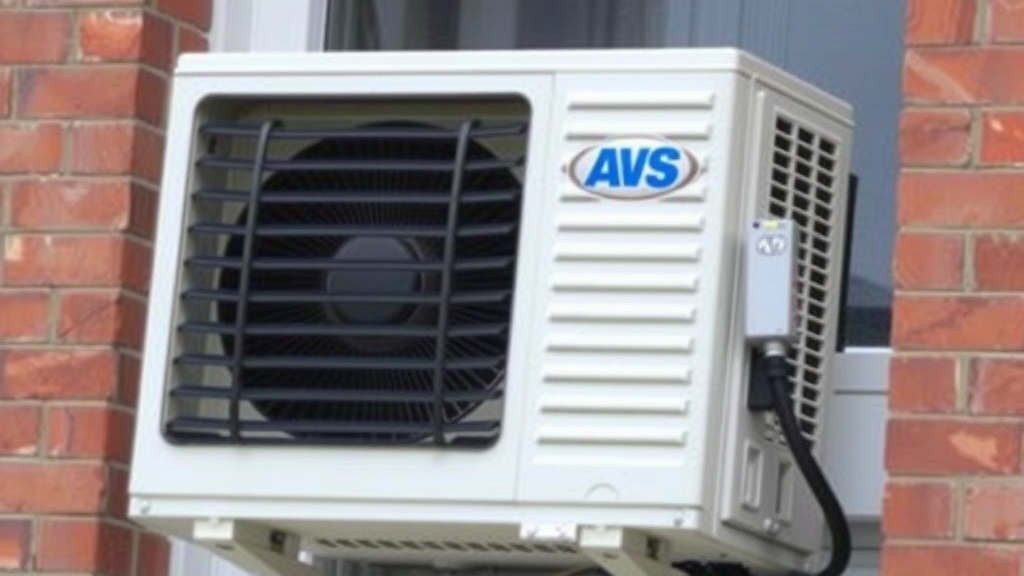
Ensuring Your AC Runs Efficiently and Safely
You can take steps to ensure your air conditioner runs as efficiently and safely as possible, even during hot spells. Prevention and smart usage are key.
Regular Maintenance is Non-Negotiable
This is the most important step you can take. Schedule professional tune-ups at least once a year. Technicians will clean coils, check refrigerant levels, and inspect all parts. They can catch small issues before they become big problems. Many HVAC companies offer maintenance plans.
Keep Air Filters Clean
Your air filter is like the lungs of your AC system. A dirty filter restricts airflow. This makes your AC work harder and less efficiently. We found that checking and replacing or cleaning your air filter monthly is a good practice.
Check for Air Leaks and Insulation
As mentioned earlier, sealing your home is crucial. Walk around your house and look for obvious drafts. Use caulk or weatherstripping to seal gaps around windows and doors. Ensure your attic has adequate insulation. This helps keep your cool air inside.
Smart Thermostat Use
Invest in a programmable or smart thermostat. Set it to raise the temperature a few degrees when you’re away or sleeping. This allows your AC to rest. You can program it to start cooling before you need it. This balances comfort with energy savings.
Consider Unit Sizing and Age
If your AC is old or has consistently struggled to keep up, it might be time to consider replacement. An undersized or aging unit will always struggle. Modern high-efficiency units can cool your home effectively and save you money. Consult with an HVAC professional to ensure the new unit is properly sized.
Key Takeaways for Continuous AC Operation
Here’s a quick rundown to help you manage your air conditioner’s runtime:
- Your AC is designed for continuous operation under normal conditions.
- Damage is rarely caused by running time alone; look for poor maintenance.
- Ensure your unit is properly sized for your home for optimal efficiency.
- Regular professional maintenance is the best way to prevent issues.
- Clean or replace air filters regularly to ensure good airflow.
- Seal air leaks and improve home insulation to reduce AC workload.
Conclusion
Your air conditioner is built to handle the heat and can run continuously for extended periods, even 24 hours a day. The main concerns aren’t about runtime itself, but rather about the health of your unit. Poor maintenance, improper sizing, or home insulation issues are typically what cause your AC to struggle or run excessively. By keeping up with regular tune-ups, clean filters, and ensuring your home is well-sealed, you help your AC work smarter, not harder. This not only prolongs its life but also keeps your energy bills in check. Take a moment this week to check your air filter – it’s a simple step that makes a big difference!
Frequently Asked Questions
Can running my AC 24/7 damage it?
Generally, no. Modern air conditioners are designed for continuous operation during hot weather. Damage usually stems from factors like lack of maintenance or incorrect sizing, rather than simply running the unit for long hours. Consistent upkeep is more important than avoiding runtime.
How often should I service my AC if it runs all day?
If your AC runs continuously, especially during peak season, it’s wise to schedule professional maintenance at least once a year. Some experts even recommend a twice-yearly check-up. This ensures all components are clean and functioning optimally, reducing strain.
What’s the difference between an AC running continuously and cycling normally?
A normally cycling AC turns on to cool your home and then shuts off once the set temperature is reached. If your AC runs continuously, it means it’s struggling to reach or maintain the set temperature. This constant running indicates it might be working too hard.
Will my electricity bill skyrocket if my AC runs 24 hours a day?
It likely will increase, yes. Your air conditioner is a major energy consumer. Running it non-stop means it’s constantly drawing power. Using a smart thermostat to manage cycles and raising the temperature slightly when you’re away can help mitigate these higher costs.
Is it better to set my AC to a specific temperature or just let it run?
It’s better to set a specific, comfortable temperature. Letting your AC run without a target means it will never shut off, regardless of how cool it gets. Using a programmable or smart thermostat allows you to set schedules that balance comfort with energy efficiency, reducing unnecessary runtime.
![7 Best Energy Efficient Split System Air Conditioner [2026]](https://bathroomexplorer.com/wp-content/uploads/2026/06/7-best-energy-efficient-split-system-air-conditioner-2026-featured-768x432.jpg)
![7 Best Cooling Window Air Conditioner [2026]](https://bathroomexplorer.com/wp-content/uploads/2026/06/7-best-cooling-window-air-conditioner-2026-featured-768x432.jpg)
![7 Best Small Home Air Conditioner [2026]](https://bathroomexplorer.com/wp-content/uploads/2026/06/7-best-small-home-air-conditioner-2026-featured-768x432.jpg)
![7 Best Window Air Conditioner For 800 Square Feet [2026]](https://bathroomexplorer.com/wp-content/uploads/2026/07/7-best-window-air-conditioner-for-800-square-feet-2026-featured-768x432.jpg)
![7 Best Dometic Rv Air Conditioner [2026]](https://bathroomexplorer.com/wp-content/uploads/2026/06/7-best-dometic-rv-air-conditioner-2026-featured-768x432.jpg)