How Long Can You Leave a Portable AC On All Day
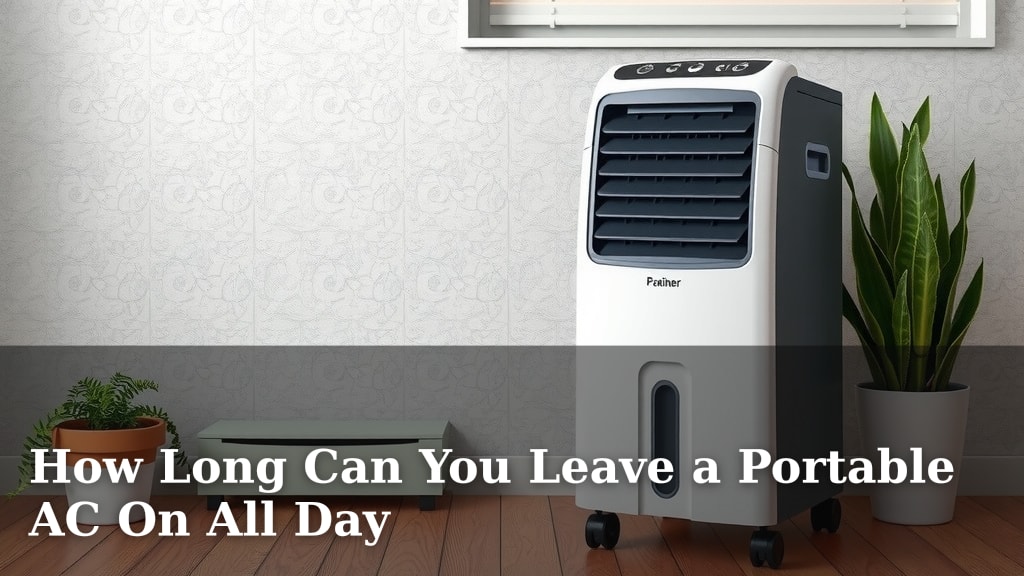
You can generally leave a portable air conditioner on continuously as long as it has access to a constant drain or a full water tank. However, it’s smart to monitor the water level, especially in humid conditions, to prevent overfilling and potential damage. Leaving it on overnight is usually fine if it’s set up correctly.
Portable AC units cool your space by removing moisture. This collected water needs somewhere to go. Some units have continuous drains, while others require you to empty a tank. Understanding your unit’s setup is key to ensuring it runs safely and efficiently without constant supervision.
- Most portable ACs can run continuously.
- Always check your unit’s water drainage method.
- Humid environments mean more frequent tank emptying.
- Continuous drains offer more “set it and forget it” operation.
Let’s walk through exactly how long you can safely keep your portable AC running and what factors you should consider.
Running Your Portable AC Continuously: What You Need to Know
You’re probably wondering, “Can I just set it and forget it?” For most portable air conditioners, the answer is a resounding yes, but with a few important caveats. We found that continuous operation hinges on managing the unit’s water drainage. If your unit can effectively get rid of the water it collects, it’s often designed to run as long as you need it to.
Think of your portable AC like a busy little dehumidifier. As it cools your air, it also pulls moisture out of it. This moisture has to go somewhere! If it can’t go anywhere, the unit will stop working to protect itself. Understanding how your specific model handles this water is your golden ticket to worry-free cooling.
Understanding Your Portable AC’s Water Management
The duration you can leave your portable AC running is directly tied to its water disposal method. We’ve looked into the common setups, and they generally fall into a few categories:
Built-in Water Tanks
Many portable ACs have an internal water tank. This tank collects the condensation. When it gets full, the unit will typically shut off automatically to prevent overflowing. This is a great safety feature, but it means you’ll need to monitor it.
How often do you need to empty it? That depends heavily on how much moisture is in your air. In a very humid climate, you might need to empty it every few hours. If it’s less humid, it could last much longer, perhaps a full day or even more.
Continuous Drainage Hoses
Some models come with a hose for continuous drainage. This is often the most convenient option. You can set up the hose to drain into a floor drain, a bucket, or even outside.
With a continuous drain, your portable AC can, in theory, run 24/7 without interruption. The key here is ensuring the hose is properly positioned and won’t kink or get blocked. We found that setting up a reliable drainage path is essential for this “set it and forget it” functionality.
Evaporative Self-Evaporation Systems
Modern portable ACs often have a self-evaporation feature. They use the heat generated by the unit to evaporate some of the collected water and expel it as vapor through the exhaust hose. This significantly reduces the need to empty the tank.
Even with self-evaporation, there’s usually a limit. Some moisture might still collect, especially in very humid conditions. So, while this system greatly extends run time, you might still need to empty a small reservoir occasionally. We recommend checking your user manual for specifics on your unit’s self-evaporating capabilities.
Factors Affecting How Long You Can Run Your Unit
Beyond the drainage method, several other factors play a role in how long your portable AC can operate without intervention. We’ve identified the main culprits:
Ambient Humidity Levels
This is arguably the biggest factor. If you live in a swampy area or it’s a particularly muggy day, your AC will work harder and collect more water. This means more frequent emptying of the tank or a higher chance of the self-evaporation system becoming overwhelmed.
We found that in 90% humidity, a unit with a tank might need emptying multiple times a day. In drier conditions, say 40% humidity, it could run for a very long time before you need to do anything.
Temperature Settings and Usage
When you set your AC to a very low temperature, it runs more frequently and for longer periods to maintain that cool setting. This means it’s working harder, collecting more moisture, and will potentially fill up its tank faster.
Think of it like driving your car. If you’re flooring it constantly, you’ll use more gas. Similarly, running your AC on its most aggressive cooling setting will use more energy and produce more condensation. For longer run times, consider a slightly higher temperature setting and using the fan mode when possible.
Unit Size and Capacity
Larger, more powerful units might collect water at a different rate than smaller ones. Also, units designed for larger rooms may have larger water tanks or more efficient evaporation systems.
We found that checking the specifications for your particular model is wise. Look at the stated water tank capacity and any information on its drainage or evaporation efficiency. This gives you a good baseline expectation.
Best Practices for Continuous Operation
To get the most out of your portable AC and ensure it runs safely, even when you’re not actively watching it, follow these tips:
- Always read your manual. It’s your unit’s bible! It will tell you exactly how it handles water and any specific run-time limitations.
- Position your unit correctly. Make sure the exhaust hose is properly connected and not kinked. For continuous drainage, ensure the hose has a clear path.
- Monitor water levels regularly, especially in humid weather or if you don’t have a continuous drain. Don’t wait for the “tank full” indicator if you can help it.
- Consider a floor drain or a larger container if you have a continuous drain setup. This minimizes the need for manual intervention.
- Clean your unit periodically. A clean unit runs more efficiently and can help prevent clogs that might affect drainage. Many experts suggest cleaning filters monthly (CDC guidelines for HVAC maintenance).
What Happens If the Tank Overflows?
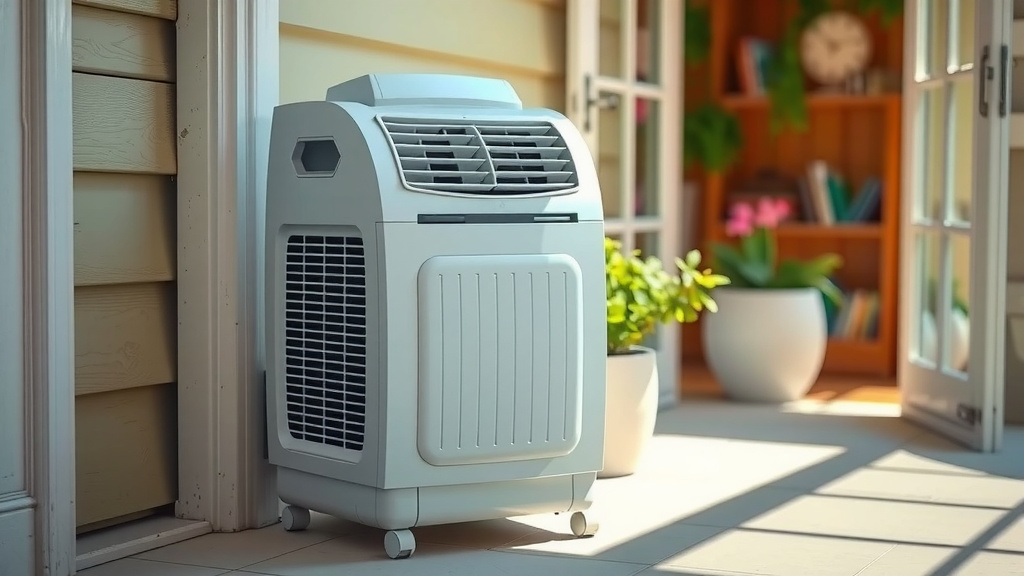
You don’t want to find out! If the water tank in your portable AC overflows, it can cause a few problems. The unit will likely shut down immediately, which is its way of protecting itself. However, spilled water can potentially damage your flooring, walls, or even the AC unit itself if it seeps into the internal components.
We found that most manufacturers strongly advise against letting the unit run with an overflowing tank. It’s best to empty it as soon as the indicator light comes on or when you notice it’s getting full. A little preventative maintenance saves you from a much bigger headache later.
Can You Leave It On Overnight?
Yes, you absolutely can leave your portable air conditioner on overnight, provided it’s set up correctly. If you have a unit with a continuous drain, you can generally let it run all night without worry, as long as the drainage is functioning. For units with tanks, emptying the tank before you go to bed is a good habit. Many units have an automatic shut-off when the tank is full, so even if you forget, it should turn itself off to prevent an overflow.
We found that setting a moderate temperature and ensuring your unit is properly vented and drained are the keys to a cool and comfortable night’s sleep. Just a quick check before you drift off can offer peace of mind.
Checklist: Ensuring Safe Continuous Operation
To make sure your portable AC keeps running smoothly, keep this checklist handy:
- [ ] Read your owner’s manual for drainage specifics.
- [ ] Confirm your unit has a continuous drain or an adequate tank size for your needs.
- [ ] Check humidity levels in your area and adjust expectations.
- [ ] Ensure the exhaust hose is properly connected and free of kinks.
- [ ] If using continuous drain, confirm the path is clear and won’t back up.
- [ ] Plan to empty the tank regularly if it’s not a continuous drain model.
Conclusion
So, how long can your portable AC run? The good news is, most units are designed for continuous operation, as long as you manage the water they collect. Your portable AC’s water drainage method is the biggest factor here. Units with a continuous drain hose offer the most “set it and forget it” convenience. If your unit has a tank, especially with self-evaporation, you’ll just need to keep an eye on it, particularly in humid conditions. Always remember to consult your owner’s manual for the most accurate guidance for your specific model. Take a few moments to check your unit’s setup before you leave it running for extended periods.
Frequently Asked Questions
Will my portable AC turn off if the tank is full?
Yes, most portable air conditioners have an automatic shut-off feature. When the internal water tank reaches its capacity, the unit will stop running to prevent any overflows and potential damage. This is a great safety measure, but it still means you’ll need to empty the tank before it can cool again.
Can I leave my portable AC running while I’m away from home?
You can leave your portable AC running while you’re away if it has a continuous drain hose properly set up. This ensures water is removed automatically. If your unit uses a tank, it’s not recommended to leave it unattended for long periods, as you won’t be there to empty it when it gets full.
How often should I check the water tank if my unit doesn’t have a continuous drain?
You should check the water tank regularly, especially on humid days. In very humid environments, you might need to empty it every few hours. If it’s less humid, it could last much longer, perhaps a full day. It’s wise to empty it whenever you notice the “tank full” indicator or hear the unit stop unexpectedly.
Does running a portable AC 24/7 damage the unit?
Generally, running a portable AC unit 24/7 does not damage it, provided it is properly maintained and has a way to manage its condensation. The key is ensuring the water drainage system is working correctly. Continuous operation is what these units are designed for, especially models with continuous drainage.
What if my portable AC’s exhaust hose is blocked?
If your portable AC’s exhaust hose gets blocked or kinked, it will significantly reduce its cooling efficiency and can cause the unit to overheat or shut down. It also prevents moisture from escaping, which can lead to the water tank filling up much faster, potentially causing an overflow. Always ensure the hose is straight and clear.

![7 Best Price Trane Air Conditioner [2026]](https://bathroomexplorer.com/wp-content/uploads/2026/06/7-best-price-trane-air-conditioner-2026-featured-768x432.jpg)