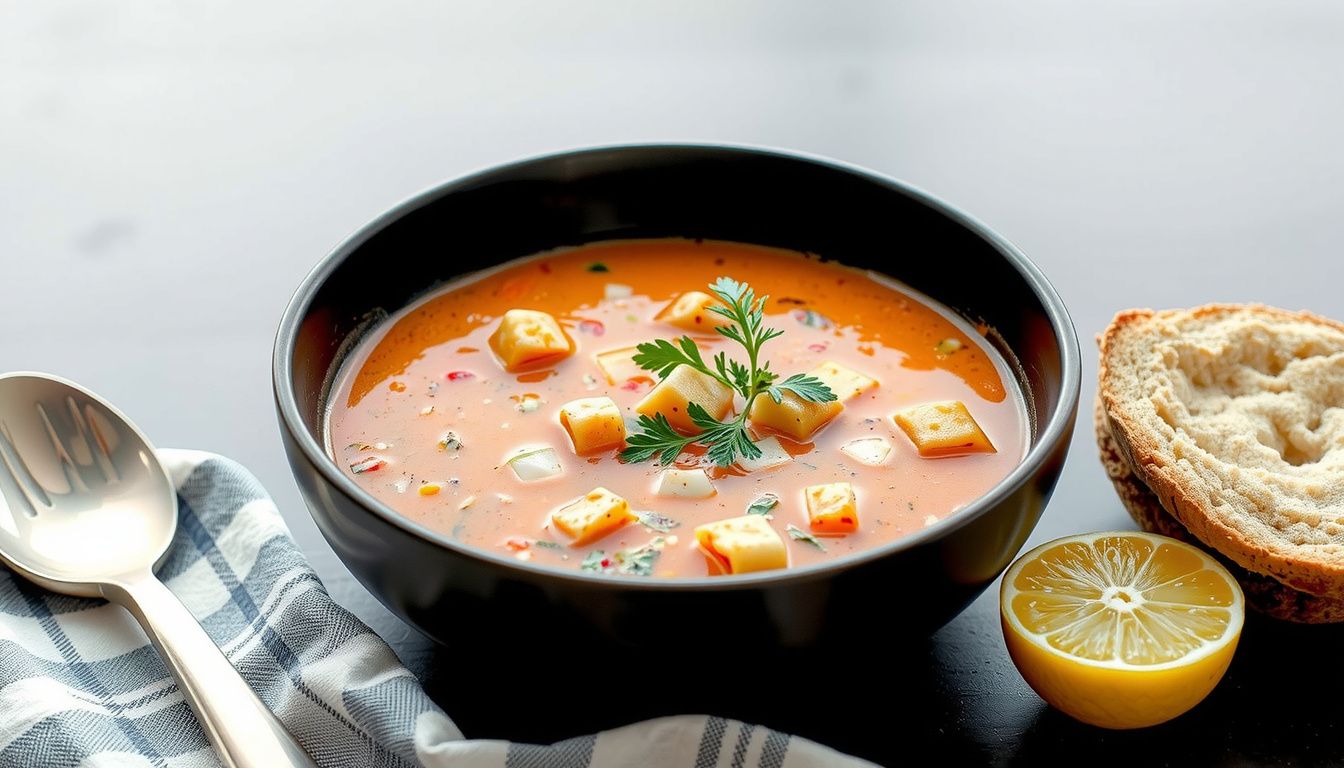
How Long Can I Keep Soup in the Refrigerator for Safe Storage
Ever found yourself staring at a pot of leftover soup and wondering, “How long can I keep soup in the refrigerator before it’s no longer safe to eat?” You’re not alone—this is a common question in kitchens everywhere, whether someone’s cooking for one or feeding a family. Food safety isn’t just for restaurants; it matters at home, too, and knowing the right storage times can help prevent unnecessary waste and protect everyone’s health.
Experts agree that even homemade favorites like chicken noodle or creamy vegetable soup have a limited fridge shelf life. Picture this: after a busy Monday, Jamie reheats last Saturday’s soup, only to wonder if it’s still okay. Making these decisions confidently is easier with the right information.
This guide breaks down exactly how long soup stays safe in the fridge, what factors impact freshness, and how to spot when it’s time to toss it. By the end, readers will have simple, science-backed answers to keep meals both tasty and safe. Ready for some kitchen confidence?
Let’s get started.
Understanding Soup Shelf Life in the Refrigerator
Once soup cools and is placed in the fridge, its shelf life is surprisingly predictable. Most homemade or store-bought soups last three to four days when stored properly at or below 40°F (4°C). This timeline includes both clear broths and heartier varieties like chicken noodle or vegetable soup.
Soups containing dairy, seafood, or eggs often have a shorter window, sometimes just two to three days. The reason is simple: these ingredients spoil faster due to their higher protein and moisture content, which create ideal conditions for bacteria growth.
For example, a family might prepare a large pot of chicken soup on Sunday. If refrigerated within two hours of cooking and stored in a tightly sealed container, it should stay safe and tasty until Wednesday or Thursday. After that, even if it smells fine, quality and safety decline.
Tip: Always label containers with the date the soup was made. This small habit removes any guesswork and helps avoid consuming spoiled food.
Factors Affecting How Long Soup Lasts
Several variables influence just how long soup can be safely kept in the refrigerator. Ingredient type, storage method, and even how the soup is handled all play a role in maximizing shelf life.
Key factors include:

- Ingredients: Cream, seafood, and eggs shorten lifespan. Vegetable and broth-based soups tend to last longer.
- Temperature: Soup must cool to room temperature before refrigerating, but shouldn’t sit out longer than two hours.
- Storage Container: Air-tight glass or BPA-free plastic containers prevent contamination and keep soup fresher.
- Cross-Contamination: Using a clean spoon each time helps prevent introducing bacteria.
Consider the case of a lentil soup left uncovered in the fridge. Exposure to air and fluctuating temperatures, especially if the fridge is opened often, can lead to spoilage within two days—much sooner than if it were sealed tightly.
Being attentive to these factors ensures soup remains both delicious and safe for as long as possible.
Recommended Refrigerator Storage Times for Different Soups
Soup recipes vary widely, so their recommended refrigerator storage times aren’t all the same. For most homemade or store-bought soups, the window for safe consumption is relatively short. Here’s what the experts suggest for different types:
- Vegetable soups (no meat or dairy): Usually safe for 4–5 days.
- Chicken, beef, or other meat-based soups: Best consumed within 3–4 days for optimal safety and flavor.
- Cream-based or dairy-rich soups: Should be eaten within 2–3 days due to a higher risk of spoilage.
- Seafood soups: Consume within 1–2 days, as seafood deteriorates quickly even under refrigeration.
For example, someone might prepare a large batch of chicken noodle soup on Sunday. By Wednesday, the chicken and broth are still safe to eat if stored properly, but by Thursday, it’s wiser to freeze or discard any leftovers. These guidelines help reduce foodborne illness risk and preserve quality.
How to Properly Store Soup to Maximize Freshness
Proper storage plays a major role in extending the shelf life of soup in the refrigerator. Start by letting soup cool at room temperature for no more than two hours before refrigerating. Rapid cooling prevents bacteria growth.
Transfer soup into shallow, airtight containers. This increases surface area, allowing soup to cool faster and minimizing exposure to air, which can accelerate spoilage. Avoid storing large batches in a single deep pot.
- Use containers with tight-fitting lids.
- Label each container with the date it was made.
- Store on the middle or lower shelf, where the temperature is most consistent.
For example, after hosting a family dinner, one might divide leftover cream of broccoli soup into two small containers rather than one large one. This method not only cools the soup quickly but also allows for easier reheating of single portions. Following these steps helps keep soup fresh and safe to eat for as long as possible.
Signs Your Refrigerated Soup Has Spoiled
Knowing when soup has turned is just as important as knowing how long can I keep soup in the refrigerator. Even with the best storage methods, soup can spoil, and the warning signs are often clear.
First, check for changes in appearance. Cloudiness, separation, or unusual colors are instant red flags. Mold, which may look like fuzzy spots or a film on the surface, means the soup is unsafe.
Next, trust your nose. Sour or off odors—especially those resembling rotten eggs or vinegar—signal bacterial growth. If the soup smells even slightly odd, it’s better to discard it.

Texture also matters. A slimy or sticky feel (either in the liquid or on solid ingredients) often means the soup’s been compromised.
- Visual Clues: Mold, cloudiness, separation
- Smell Test: Sour, rancid, or “off” odors
- Texture: Slimy consistency, sticky residue
For example, someone once saved a batch of homemade chicken soup for five days. When reheating, they noticed a sour smell and slimy vegetables—clear indicators it was time to toss it. Don’t risk foodborne illness; when in doubt, throw it out.
Safe Reheating and Serving Practices
Safety doesn’t end at storage—proper reheating is crucial for enjoying leftover soup without risk. Always bring soup to a rolling boil before serving; this kills most bacteria that might have developed in the fridge. The USDA recommends heating leftovers to at least 165°F (74°C).
Use a food thermometer for accuracy, especially with thick or creamy soups. Stir well during reheating to ensure even temperature throughout. Never reheat soup multiple times; only heat what you plan to consume.
- Bring to a rolling boil (165°F/74°C minimum)
- Stir thoroughly for even heating
- Reheat only once—avoid repeated cycles
For instance, someone reheated a large pot of lentil soup but only ate a small portion, then returned the rest to the fridge. This repeated reheating allowed bacteria to thrive, and the soup spoiled faster. Best practice: portion out only what’s needed, reheat, and keep the rest chilled.
Frequently Asked Questions About Soup Storage
Questions about soup storage often come up once leftovers hit the fridge. Here are clear, expert-backed answers to common concerns home cooks face, helping them keep their soup safe and tasty for as long as possible.
Can I freeze soup if I can’t eat it in time? Yes—most soups freeze well. Just let the soup cool, transfer it to airtight containers, and label with the date. Cream-based soups may change texture, but broths and purees usually thaw with no problem.
Is it safe to put hot soup directly in the refrigerator? It’s best to let soup cool slightly—ideally to room temperature (within 2 hours)—before refrigerating. Placing hot soup in the fridge can raise the internal temperature, risking other foods’ safety.
How should I store large batches? Divide soup into shallow containers. This cools soup faster and helps maintain quality. For example, a home cook making a big pot of chicken noodle can split it into several smaller containers, preventing spoilage and making reheating easier.
- Never store soup uncovered. Use lids or plastic wrap to avoid contamination and drying out.
- Label with dates. This avoids guessing when to toss leftovers.
The Bottom Line
Once the last ladle of soup cools, it’s tempting to simply stash the pot in the fridge and forget about it. But knowing how long can I keep soup in the refrigerator helps safeguard both flavor and food safety. By following best practices—prompt cooling, airtight storage, and quick labeling—anyone can extend the delicious life of their favorite recipes.
For instance, imagine prepping a hearty chicken noodle soup on Sunday. By transferring it into shallow containers and chilling it within two hours, that week’s lunches will be both safe and satisfying. No guesswork, no waste—just reliable, home-cooked meals when needed.
Ready to put these tips into action? Take a moment to double-check your fridge, review any soup containers, and set reminders for when to enjoy or freeze those leftovers. With these habits, every batch stays fresh and every bowl is worry-free.