How Long Can I Refrigerate Eggs: Safe Storage and Freshness Guide
Ever wondered, how long can I refrigerate eggs before they’re no longer safe or tasty? It’s a common kitchen question, especially for those who like to stock up on groceries or buy eggs in bulk. Knowing the right answer can help prevent food waste and keep everyone healthier.
Most people are surprised to learn that eggs can last much longer in the fridge than they think, but just tossing them in and forgetting about them isn’t always the best strategy. Food safety experts and experienced home cooks all agree: proper storage is key to maximizing freshness.
For example, imagine Sarah, who loves baking on weekends but only shops once a month. She needs to know exactly how long her eggs will last so her Saturday morning pancakes are always delicious and safe to eat.
This guide breaks down the facts about egg storage, explains why refrigeration works so well, and gives you expert-backed tips so you can always answer, “How long can I refrigerate eggs?” with confidence. Let’s make sure your eggs stay at their best—read on for everything you need to know.
Understanding Egg Shelf Life in the Refrigerator
Eggs are impressively resilient when stored properly. Once placed in the refrigerator, clean, uncracked eggs can remain safe and delicious for up to four to five weeks past their pack date. This longevity owes much to the protective cuticle on fresh eggs and the consistent cool temperatures of the fridge.
The USDA recommends keeping eggs in their original carton on a middle shelf, rather than the door, to maintain a steady temperature. The carton also shields them from absorbing strong odors and flavors from other foods. For instance, a home cook who buys a dozen eggs can safely use them for breakfasts and baking projects for an entire month, as long as they’re refrigerated immediately after purchase.
Key point: Refrigerated eggs don’t spoil quickly. However, quality—such as texture and flavor—may start to decline after a few weeks, even if they’re still safe to eat.
Factors Affecting Egg Freshness and Longevity
Several factors influence how long eggs stay fresh in the refrigerator. Temperature consistency is vital; fluctuating temperatures can cause condensation, leading to faster spoilage. Egg cleanliness also matters.
Commercial eggs in the U.S. are washed, removing the protective cuticle, so refrigeration becomes even more crucial to slow bacterial growth.
Storage methods make a difference. Storing eggs in their original carton rather than a loose tray protects them from both moisture loss and contamination. Age is another factor: the closer to the pack date, the fresher the egg.
If someone stores eggs from a local farm that are unwashed, those eggs might last even longer due to the intact cuticle, provided they’re refrigerated after a few days at room temperature.
- Keep eggs cold and dry
- Store in original packaging
- Avoid temperature swings
Maintaining ideal conditions means eggs can remain safe and enjoyable for weeks, maximizing their shelf life and taste.

Proper Methods for Refrigerating Eggs
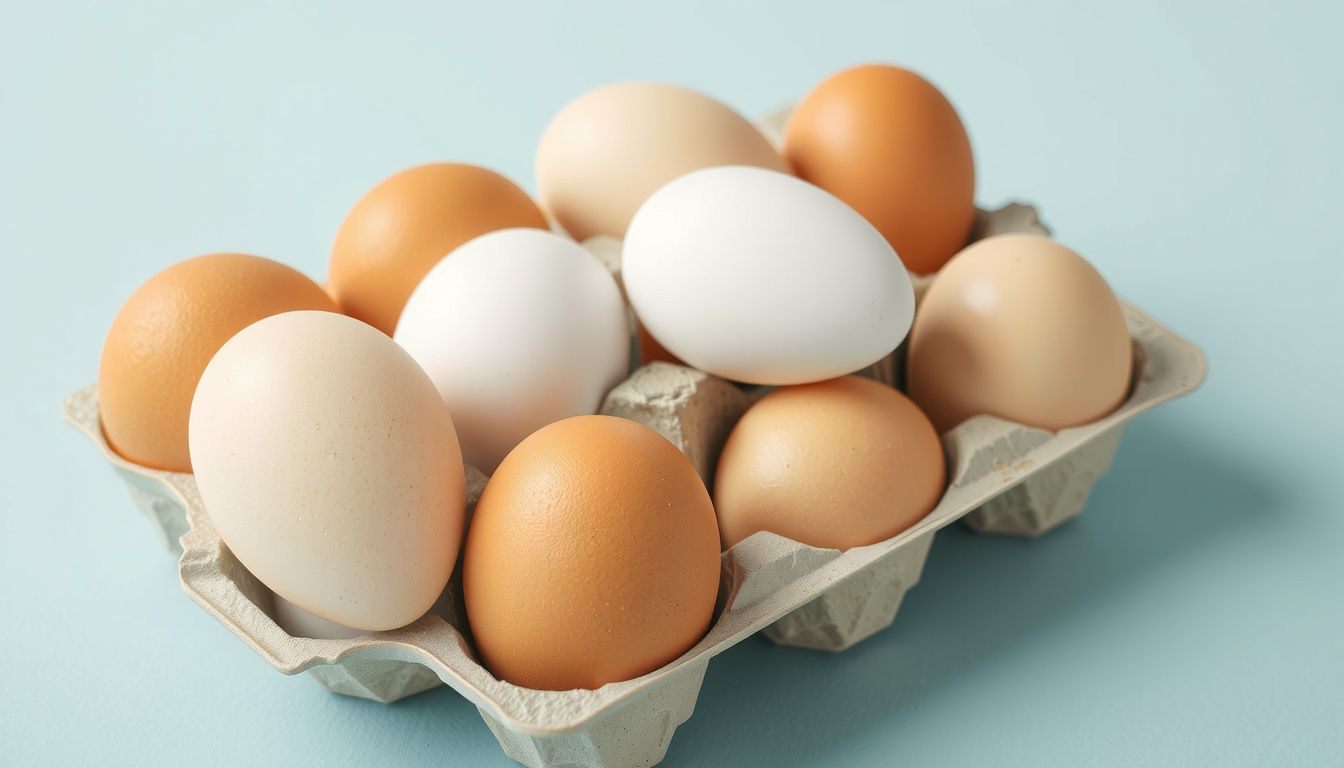
Safe egg storage starts with proper refrigeration techniques. Always keep eggs in their original carton, as it helps prevent moisture loss and shields them from strong odors. The carton also displays the expiration or “best by” date, making it easy to track freshness.
Place eggs in the coldest part of the refrigerator, not the door. The door is subject to temperature fluctuations each time it’s opened, which can shorten shelf life. Instead, store eggs on a middle or lower shelf, where temperatures remain steady.
For best results, avoid washing eggs before storing. Commercial eggs sold in the U.S. are already cleaned and have a protective coating.
Washing can remove this barrier and invite bacteria inside.
A practical example: After grocery shopping, someone stores their eggs in the fridge door for convenience. They notice the eggs spoil faster. By moving them to a central shelf in the original carton, future batches stay fresh weeks longer.
How to Tell If Refrigerated Eggs Are Still Good
Determining egg freshness isn’t difficult with a few time-tested methods. The most reliable is the water test: gently place an egg in a bowl of cold water. If it sinks and lies flat, it’s fresh.
If it stands upright or floats, it’s time to discard it.
Another way is to inspect and smell the egg after cracking it open. If the egg white is cloudy but not off-smelling, the egg is still good. A sour or sulfur-like odor signals spoilage.
- Fresh egg: Sinks in water, no odor.
- Questionable egg: Stands upright in water, use soon.
- Bad egg: Floats in water, unpleasant smell.
For instance, a home baker unsure about her eggs performs the water test. When one floats, she discards it; others that sink become the base for a safe, delicious quiche.
Differences Between Store-Bought and Farm-Fresh Eggs
Several key differences impact how long eggs can be refrigerated, depending on whether they are store-bought or farm-fresh. Store-bought eggs in the U.S. are washed and sanitized before packaging.
This process removes the natural protective coating—called the “bloom”—which means they must be refrigerated right away to prevent bacteria from entering the shell.
On the other hand, farm-fresh eggs often retain their natural bloom because they aren’t washed immediately. This protective layer allows unwashed farm eggs to stay fresh at room temperature for several days. Once washed or refrigerated, however, their shelf life is similar to store-bought eggs and they should remain in the fridge afterward.

For example, a home baker who gathers eggs from backyard chickens can safely leave unwashed eggs on the counter for up to a week, but should refrigerate them after washing or for longer storage. Always remember: once an egg has been chilled, keep it cold.
Common Myths About Refrigerating Eggs
There’s plenty of confusion about egg refrigeration, leading to persistent myths. One common misconception is that eggs will last indefinitely if kept cold. In reality, even refrigerated eggs have a finite shelf life—typically three to five weeks after purchase.
Another myth is that farm-fresh eggs don’t need refrigeration at all. While unwashed eggs can stay out for a short period, refrigeration is essential for longer storage, especially in warmer climates or for eggs that have been washed.
Some believe that eggs must be stored in the refrigerator door. However, temperature fluctuations from the door opening can reduce freshness. Instead, eggs should be kept in their original carton on an interior shelf for maximum shelf life.
For instance, a busy family might use the carton’s date as a quick reference, ensuring eggs are used while still at their best.
Best Practices for Extending Egg Shelf Life
Proper storage can make a significant difference in how long eggs stay fresh and safe to eat. To get the most mileage out of every carton, prioritize consistency and minimize temperature fluctuations. Always refrigerate eggs as soon as possible after purchase, and keep them in their original carton to reduce moisture loss and protect them from absorbing strong odors.
Place eggs on an internal refrigerator shelf, not in the door. The door is subject to frequent temperature changes, which can shorten shelf life. Store eggs with the pointed end down—this helps maintain the yolk’s centered position, preserving freshness.
For practical application, consider this: A home baker stores her eggs in the fridge’s main compartment, away from pungent foods, and always checks “best by” dates. She routinely gets three weeks of peak quality, even after the sell-by date, thanks to these habits.
- Keep eggs cold and steady—avoid temperature swings.
- Leave eggs in their carton for protection and moisture retention.
- Don’t wash eggs before refrigeration; washing removes the protective bloom.
Frequently Asked Questions About Egg Refrigeration
Egg storage often sparks questions, especially about safety and longevity. Here are some of the most common ones, answered with science-backed clarity.
- How long can I refrigerate eggs? Most eggs remain safe for 3–5 weeks after refrigeration, sometimes longer if stored properly.
- Is it safe to eat eggs past the “sell by” date? Yes, if they pass the sniff and float test, eggs are often good for several weeks beyond the printed date.
- Should eggs be washed before storing? No. Washing removes the natural protective coating, increasing risk of spoilage.
- Can I freeze eggs for longer storage? Absolutely—crack and lightly beat them before freezing for best results.
For instance, a home cook might find eggs two weeks past their date. If they smell normal and sink in water, they’re still perfectly usable for breakfast or baking.
What This Means for You
Understanding how long you can refrigerate eggs empowers anyone to maintain both safety and quality in their kitchen. By applying reliable storage methods and distinguishing between egg types, it’s possible to reduce both waste and risk.
Imagine a home baker who regularly buys eggs in bulk. With the right refrigeration approach, they can confidently use eggs over several weeks, checking freshness before each use—no guesswork, just consistency and peace of mind.
Here’s what to do next:
- Check your eggs’ packaging for best-by dates and always store them promptly in the coldest part of your fridge.
- Use a simple water test or look for changes in appearance and smell before using eggs you’ve stored for a while.
- Commit to regular fridge checks, rotating older eggs to the front so nothing goes to waste.
Take these steps today and enjoy fresher, safer eggs—every time you crack one open.
Related read: Add shower gel to my shopping list
![How Long Do Refrigerators Last [Your Complete Guide to Appliance Longevity]](https://bathroomexplorer.com/wp-content/uploads/2025/05/how-long-do-refrigerators-last.jpg)