
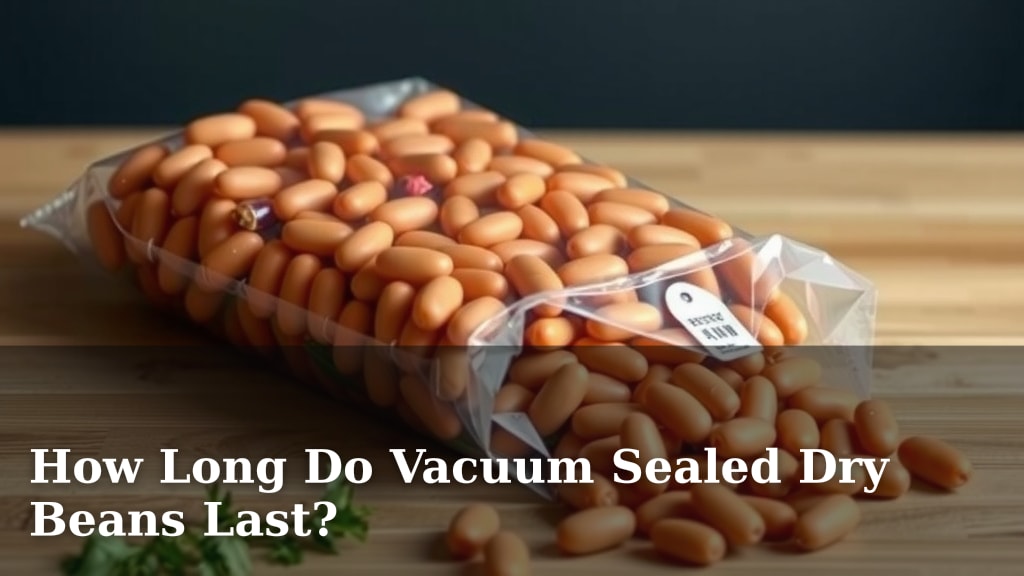
How Long Do Vacuum Sealed Dry Beans Last?
Vacuum sealed dry beans can last for an incredibly long time, often for decades if stored properly. This method of sealing significantly slows down degradation, making them a super long-term pantry staple. You can expect unopened, vacuum-sealed bags of dry beans to remain safe and edible for 20-30 years, sometimes even longer.
When you vacuum seal dry beans, you remove the oxygen that contributes to spoilage. This process protects them from moisture, pests, and oxidation. Many experts agree that vacuum sealing is one of the best ways to achieve truly long shelf life for dry goods. It’s a smart way to stock up and ensure you always have protein on hand without worrying about them going bad.
- Vacuum sealed dry beans can last for decades.
- Proper storage is key to their longevity.
- The vacuum seal protects beans from oxygen and moisture.
- This makes them a reliable pantry staple.
Let’s break down exactly how long your vacuum sealed dry beans are likely to last and what factors can affect their lifespan.
Understanding the Longevity of Vacuum Sealed Dry Beans
So, you’ve got a stash of dry beans sealed up tight. That’s a smart move! You’re probably wondering just how long they’ll hang around in your pantry. Research and expert opinions consistently show that vacuum sealing offers remarkable protection for dry goods. We’re talking about beans that can remain safe and nutritious for many, many years.
Think of vacuum sealing as creating a cozy, oxygen-free haven for your beans. This barrier is incredibly effective. It stops those little spoilage culprits in their tracks. We’re talking about things like oxidation and moisture, which are the main enemies of dry beans. So, your beans are in for a long, peaceful retirement.
Factors Affecting Your Beans’ Lifespan
While vacuum sealing is a superstar for preservation, a few other things can play a role. It’s not just about the seal itself. Where you keep those beans makes a difference. You want to give them the best possible environment for them to last as long as possible.
The Role of Temperature
Temperature is a big player in how long foods last. Heat is the enemy of shelf stability. Storing your vacuum-sealed beans in a cool, consistent temperature is ideal. We’re talking about a place that stays roughly between 50°F and 70°F (10°C to 21°C). Think of a basement, a cool pantry, or even a climate-controlled garage. Avoid places that experience wild temperature swings.
High temperatures can accelerate the degradation process, even in a vacuum-sealed bag. It’s like putting your beans in a little sauna, and nobody likes that. Studies on food storage consistently highlight temperature control as a primary factor for extending shelf life (National Center for Home Food Preservation). So, keep it cool, and your beans will thank you.
Light Exposure Matters
Just like you might protect certain foods from sunlight, light can also impact your beans. Prolonged exposure to light, especially direct sunlight, can degrade the quality of dry goods over time. It can contribute to nutrient loss and even affect flavor. Your beans prefer to hang out in the dark!
A dark pantry or cupboard is your best friend here. If your storage area gets some light, consider placing your vacuum-sealed bags inside opaque containers or bins. This extra layer of protection ensures the light stays out. It’s a simple step that helps maintain the integrity of your beans.
Moisture is the Foe
This might seem obvious, but it bears repeating. Even though the vacuum seal is a great barrier, extreme humidity in your storage area can eventually pose a problem. If moisture gets into the packaging over a very long time, it can lead to clumping or even mold. You want to keep your beans dry and happy!
Always store your vacuum-sealed beans in a dry environment. If you live in a particularly humid climate, be extra mindful of your storage choices. Sometimes, using desiccants inside your storage containers can be an extra layer of defense. This helps absorb any stray moisture that might try to sneak in.
Expected Shelf Life: Decades, Not Just Years
Let’s get down to brass tacks. How long can you realistically expect your vacuum-sealed dry beans to last? The general consensus from food storage experts and practical experience is quite impressive. Unopened, properly stored vacuum-sealed dry beans can remain perfectly edible for 20 to 30 years. Some sources even suggest longer.
This longevity is largely due to the removal of oxygen. Oxygen is what causes food to oxidize and spoil. By removing it, you essentially put the beans in a state of suspended animation. They aren’t “fresh” in the way a just-harvested bean is, but they retain their nutritional value and cooking quality for an extended period.
Beans are Built to Last
Dry beans themselves are naturally very shelf-stable. They have low moisture content to begin with. This inherent quality makes them prime candidates for long-term storage. When you add the protection of vacuum sealing, you amplify that stability dramatically.
Think of it like this: dry beans are already like little soldiers ready for a long mission. Vacuum sealing just gives them a top-notch uniform and a secure bunker. They are well-equipped to withstand the test of time when stored correctly. Many homesteading and survivalist communities rely on this method for good reason.
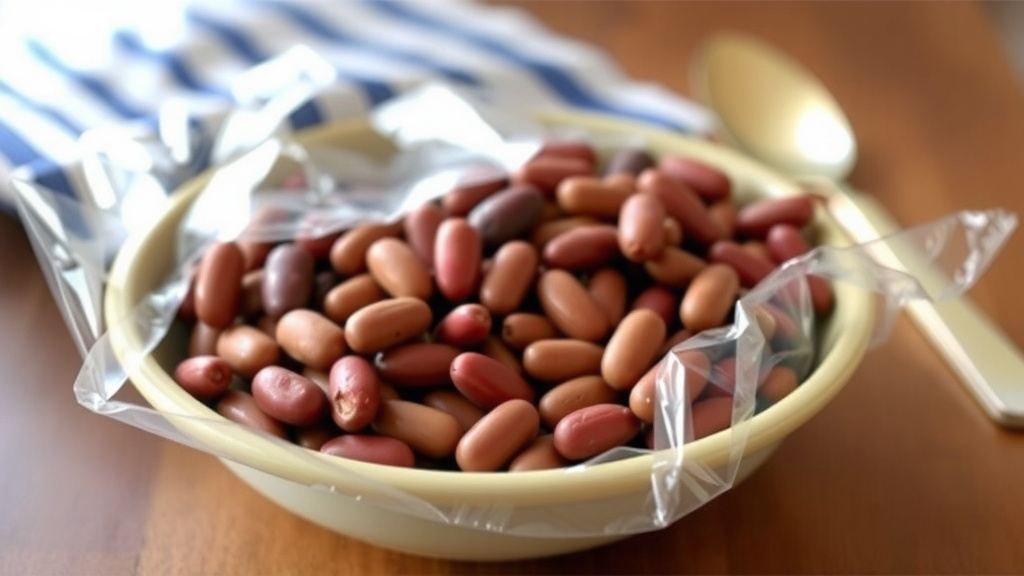
How to Tell If Your Beans Are Still Good
Even with the best storage, you’ll want to know how to check your beans before you cook them up. While they are safe for a very long time, quality can eventually decline. Fortunately, assessing their readiness is pretty straightforward. You’ll use your senses!
The most common indicator of spoilage in dry beans is a change in their smell or appearance. If your beans smell musty, moldy, or generally “off,” it’s best to discard them. Also, look for any signs of mold, insect activity, or discoloration. These are clear signals that the beans are no longer good to eat.
The Cooking Test
Sometimes, beans that look and smell okay might take an unusually long time to cook. This is often a sign that they are very old and have started to harden significantly. This phenomenon is sometimes called “dead beans.” While they might still be safe to eat, they can be incredibly frustrating to cook.
If you encounter beans that take excessively long to soften after soaking and cooking, and you’ve followed proper cooking procedures, it’s likely they’ve reached the end of their useful lifespan. It’s a good idea to toss them and open a fresh batch. They’ve served their purpose by staying stored for so long!
Maximizing Your Bean Storage: A Quick Checklist
Want to ensure your vacuum-sealed beans last as long as humanly possible? Follow these simple tips:
- Store in a cool, dark place.
- Keep them away from direct sunlight and heat sources.
- Ensure the storage area is dry and free of humidity.
- Use opaque containers if your pantry has light exposure.
- Inspect bags for any damage before storing.
- Rotate your stock – use older beans first, though with vacuum sealing, this is less critical than with standard packaging.
Conclusion
You’ve learned that vacuum-sealed dry beans are a pantry powerhouse, capable of lasting for decades with proper care. By removing oxygen, you create an environment that shields them from spoilage. Remember that temperature, light, and moisture are your bean’s biggest foes, so choose a cool, dark, and dry storage location.
This method ensures you have a reliable, long-term food source. Now that you know the secrets to their longevity, you can confidently stock up your pantry. Take a moment to assess your current storage and make any necessary adjustments to keep your beans in prime condition for years to come.
Frequently Asked Questions
Can vacuum-sealed dry beans go bad?
Yes, while vacuum-sealed dry beans can last for a very long time, they are not immortal. Over many years, their quality can degrade, making them tough to cook or potentially unpalatable. Always check for signs of mold or musty odors before cooking.
Do I need to worry about pests with vacuum-sealed beans?
No, that’s one of the major benefits of vacuum sealing! The sealed bag creates a barrier that pests, like weevils, cannot penetrate. This protection is a key reason why they last so much longer than beans stored in traditional packaging.
What’s the biggest mistake people make when storing vacuum-sealed beans?
The most common mistake is poor storage conditions. Storing them in a warm, humid, or light-exposed area can shorten their lifespan, even with a good seal. Always aim for a consistently cool, dark, and dry environment.
How do I know if my vacuum-sealed beans are too old to use?
If your beans have an off smell, like musty or moldy, discard them. A visual inspection for mold or insect activity is also important. If they look and smell fine but take an extremely long time to soften during cooking, they’ve likely reached their limit.
Can I vacuum seal already opened bags of dry beans?
Yes, you can absolutely vacuum seal opened bags of dry beans. Make sure the beans are completely dry first. Then, place the desired amount into a new vacuum seal bag and remove the air. This will help preserve them for long-term storage.
![5 Best Hand Vacuum Cleaners for Pet Hair [In 2026]](https://bathroomexplorer.com/wp-content/uploads/2025/06/best-hand-vacuum-cleaner-for-pet-hair.jpg)
![7 Best Hoover Vacuum For Hardwood Floors [2026]](https://bathroomexplorer.com/wp-content/uploads/2026/06/7-best-hoover-vacuum-for-hardwood-floors-2026-featured-768x432.jpg)