How Long Do Vacuum Sealed Coffee Beans Last?
So, you’re wondering, “How long do vacuum sealed coffee beans last?” Well, great news! When you vacuum seal your coffee beans properly, you can extend their freshness for a **much longer period**. While whole beans typically lose their peak flavor within a few weeks, vacuum sealing can keep them tasting great for **up to 6 months, or even longer** in ideal conditions.
Think of vacuum sealing as creating a personal spa day for your coffee. It removes the air, which is the enemy of fresh coffee. This process helps preserve those delicate **aromatic compounds** and prevents the beans from going stale too quickly. It’s a simple step that makes a big difference in your morning cup, keeping that **rich flavor** locked in.
- Vacuum sealing extends coffee bean freshness significantly.
- Properly sealed beans can last up to 6 months or more.
- It removes air, the main cause of coffee staling.
- Preserves aromatic compounds for better flavor.
- Key to keeping your coffee tasting its best.
Let’s dive into exactly how vacuum sealing works its magic and what you can expect for your coffee’s lifespan.
Extending the Life of Your Coffee Beans with Vacuum Sealing
You’re curious about how long your coffee beans stay fresh when vacuum sealed. You’ve come to the right place! Vacuum sealing is a fantastic method to **preserve the quality** of your coffee. It’s a simple technique that can keep your beans tasting much better for a lot longer. We’ll walk you through what you can expect.
Understanding Coffee Staling: The Enemies of Freshness
Coffee beans are packed with natural oils and aromatic compounds. These are what give your coffee its wonderful smell and taste. Unfortunately, they are quite fragile. Several factors can degrade these compounds quickly.
The Three Main Culprits
There are three primary enemies that lead to stale coffee. Understanding these helps you appreciate why vacuum sealing works so well.
1. Oxygen: The Great Staler
Oxygen is probably the biggest thief of coffee flavor. When beans are exposed to air, oxidation occurs. This process breaks down the delicate flavor compounds. It’s like leaving an apple out to turn brown, but for your coffee beans.
2. Moisture: The Subtle Saboteur
Too much moisture can also harm your beans. It can degrade the oils and even lead to mold growth over time. While air exposure is more common, controlling moisture is also important for long-term storage.
3. Light: The Fader of Flavor
Direct sunlight or even prolonged exposure to bright light can also negatively affect coffee. Light can break down certain compounds, leading to a duller flavor profile. That’s why coffee is often stored in opaque bags.
How Vacuum Sealing Protects Your Beans
Vacuum sealing tackles the main enemies of coffee freshness head-on. It’s an effective way to keep your beans tasting great.
Removing the Air Barrier
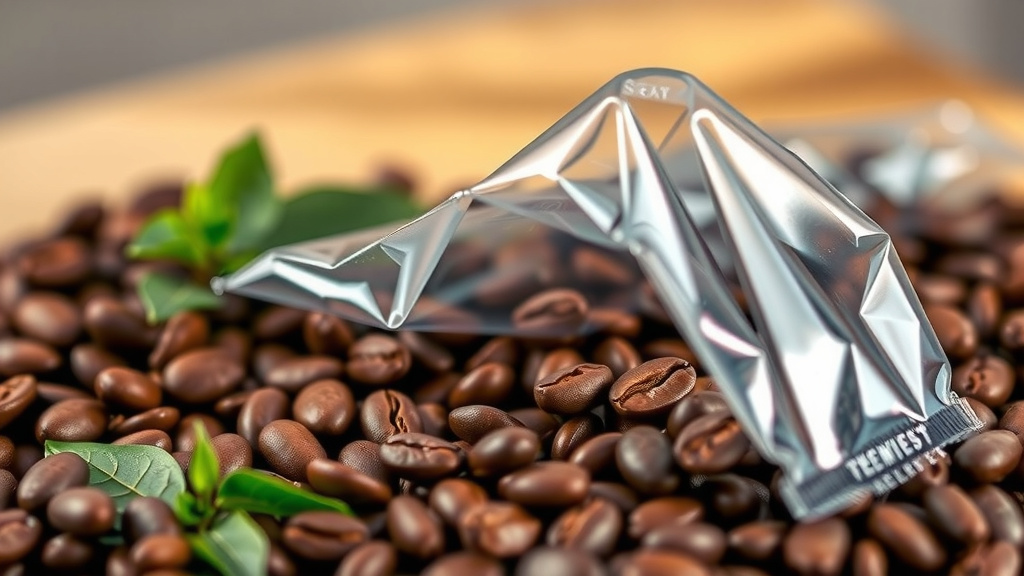
The core benefit of vacuum sealing is the removal of **oxygen**. By pulling out the air from the packaging, you create an environment where oxidation happens much, much slower. This is the most critical step in preserving flavor.
Creating an Airtight Seal
Once the air is out, the vacuum sealer creates a strong, airtight seal. This prevents new oxygen from getting in. It also helps to keep moisture out, creating a stable environment for your beans.
The Impact on Aroma and Flavor
When oxygen is kept away, those precious **aromatic compounds** remain locked inside the beans. This means when you open your vacuum-sealed bag, you’ll get that wonderful burst of coffee smell. The flavors will be much closer to when the beans were first roasted.
Expected Lifespan: How Long Do They Really Last?
So, how long can you expect your vacuum-sealed coffee to last? The answer is significantly longer than if you just stored them in a regular bag or container.
Whole Beans vs. Ground Coffee
It’s important to note that this advice primarily applies to **whole coffee beans**. Ground coffee has a much larger surface area exposed to air. This means it stales much faster, even when vacuum sealed. For the longest shelf life, always buy whole beans.
The 6-Month Mark and Beyond
Many experts and coffee enthusiasts agree that properly vacuum-sealed whole beans can maintain good quality for **up to 6 months**. Some even report excellent results for **9 to 12 months**, especially if stored correctly.
However, it’s essential to manage expectations. “Fresh” coffee is a spectrum. While vacuum sealing extends freshness, the peak flavor window might be shorter. You might notice subtle changes even after a few months.
Factors Influencing Shelf Life
Several things can affect just how long your beans stay at their best:
- Roast Date: Beans are freshest immediately after roasting. Vacuum sealing preserves them from that point.
- Bean Quality: Higher quality beans may retain their nuanced flavors for longer.
- Storage Conditions: Where you store the sealed bag matters.
Best Practices for Storing Vacuum-Sealed Coffee
To get the absolute most out of your vacuum-sealed coffee, follow these simple storage tips. These help ensure maximum freshness.
Keep Them Cool and Dark
Your vacuum-sealed coffee beans will do best when stored in a **cool, dark place**. A pantry or cupboard away from heat sources is ideal. Avoid the refrigerator or freezer, as this can introduce moisture when you open the bag (we’ll talk more about that below).
Avoid Temperature Fluctuations
Try to maintain a consistent temperature. Frequent swings in temperature can cause condensation to form inside the bag when you open it. This is detrimental to the beans.
The Freezer Debate: When It Might Be Okay
While we generally advise against the freezer for vacuum-sealed coffee, there’s a caveat. If you plan to store beans for a very long time (over 12 months) and can ensure they stay completely sealed and are not opened until ready for use, the freezer can be an option. The key is **zero moisture exposure**. Many sources suggest this is best for extended, long-term storage (USDA).
To do this successfully, you’d vacuum seal the beans, then place the sealed bag inside another freezer-safe bag or container. When you’re ready to use them, take out only the amount you need and let it come to room temperature *before* opening the outer packaging. This helps minimize condensation.
When to Use Your Vacuum-Sealed Beans
Think of your vacuum-sealed coffee like fine wine. It ages, but the goal is to enjoy it during its prime. For most people, the sweet spot for vacuum-sealed beans is within the **first 1 to 3 months**. After that, you might start to notice a gradual decline in the brighter, more complex flavors.
However, if you’re not an extreme coffee connoisseur and just want a good, solid cup of coffee, you’ll likely find that beans sealed for **up to 6 months** are still quite enjoyable. It’s all about your personal preference and how you plan to use the beans.
| Storage Method | Typical Freshness (Whole Beans) | Key Factors |
|---|---|---|
| Open Air / Countertop | 1-3 weeks (peak flavor) | High oxygen exposure, moisture, light |
| Airtight Container (no vacuum) | 2-4 weeks (peak flavor) | Reduced but still present oxygen, light |
| Vacuum Sealed (ideal conditions) | 3-6 months (good quality) | Minimal oxygen, protected from moisture & light |
| Vacuum Sealed (long-term freezer) | 6-12+ months (usable) | Extremely low oxygen, requires careful thawing |
Your Coffee Storage Checklist
To ensure your vacuum-sealed coffee stays as fresh as possible, keep these simple points in mind:
- Always start with **freshly roasted whole beans**.
- Use a quality vacuum sealer and **remove as much air as possible**.
- Store sealed bags in a **cool, dark, dry place**.
- Avoid frequent temperature changes.
- For longer storage, consider freezing carefully after sealing.
- Open only the amount you need and reseal if possible.
Conclusion
You’ve learned how vacuum sealing can be your coffee’s best friend for freshness. By removing air, you’re actively fighting off staleness and preserving those wonderful aromas and flavors. While peak freshness is often within the first few months, properly sealed whole beans can offer a good cup for much longer, potentially up to 6 months or even more. The key is good practice: start with quality beans, seal them well, and store them smartly. Ready to taste the difference?
Frequently Asked Questions
Can I vacuum seal coffee that’s already ground?
While you can vacuum seal ground coffee, it won’t last nearly as long as whole beans. Ground coffee has a much larger surface area exposed to air, causing it to stale much faster. For the best results, always vacuum seal whole beans and grind them just before brewing.
Will vacuum sealing coffee make it last forever?
Vacuum sealing significantly extends the freshness of coffee beans, but it doesn’t make them last forever. Coffee beans naturally degrade over time. Vacuum sealing slows this process dramatically, but it’s best to enjoy your beans within a reasonable timeframe for optimal flavor.
Is it safe to freeze vacuum-sealed coffee?
Yes, freezing vacuum-sealed coffee can work for very long-term storage, often beyond 6 months. The critical factor is ensuring the seal remains unbroken to prevent moisture exposure. Always thaw the beans completely *before* opening the bag to avoid condensation.
How do I know if my vacuum-sealed coffee has gone bad?
Even vacuum-sealed coffee can eventually lose its appeal. If your beans smell musty, have an oily residue that wasn’t there before, or the aroma and taste are very dull and flat, it’s likely time to replace them. Trust your senses!
Should I vacuum seal coffee right after roasting?
Yes, vacuum sealing immediately after roasting is ideal. This captures the beans at their freshest point. The sooner you seal them, the more of those desirable aromatic compounds you can preserve for later enjoyment.