How Long Do You Leave Air Purifier On? A Complete Guide to Optimal Usage
If you’ve recently brought an air purifier into your home, you’re probably wondering about the optimal way to use it. A very common question people ask is exactly how long to run their air purifier. The simple truth is, there isn’t a straightforward answer, as it depends on several factors unique to your specific situation.
Let me be honest with you—there’s no one-size-fits-all answer to this question. Think of your air purifier like a personal trainer for your indoor air. Sometimes you need intensive sessions, and sometimes maintenance work is enough. In this comprehensive guide, I’ll walk you through everything you need to know about air purifier usage, so you can make an informed decision that works best for your home and lifestyle.
Understanding the Basics of Air Purifier Operation
Before we dive into how long to run your air purifier, let’s talk about what these devices actually do. Air purifiers work by pulling in air from your room, filtering out contaminants like dust, allergens, pet dander, and pollutants, then releasing clean air back into your space. It’s kind of like a bouncer at a club, but instead of checking IDs, it’s checking for unwanted particles.
The effectiveness of your air purifier depends on several things: the quality of the filter, the size of the room, the air changes per hour (ACH) rating, and how polluted your indoor air actually is. Understanding these factors will help you determine the ideal operating schedule for your specific needs.
What Is the Air Changes Per Hour Rating?
The ACH rating tells you how many times your air purifier can clean all the air in your room in one hour. For example, if your room is 400 square feet and your purifier has a 4 ACH rating, it can completely cycle through all the air in that room four times in sixty minutes. This is crucial information when deciding how long to leave your purifier running.
Running Your Air Purifier Continuously vs. Intermittently
Here’s where things get interesting. You have two main options: run your air purifier all day and night, or use it strategically during certain times. Both approaches have their merits, and what works for your neighbor might not work for you.
The Case for Continuous Operation
Running your air purifier 24/7 offers some genuine advantages. If you’re someone who values consistent air quality, continuous operation means your indoor air is constantly being filtered and refreshed. This is particularly beneficial if you have severe allergies, asthma, or respiratory concerns. Think of it as keeping a constant shield of protection around your living space.
Continuous operation is also ideal if you have pets, smoke in your home, or live in an area with high outdoor pollution. The constant cycling of air helps manage odors and keeps particulates from settling and building up.
However, there’s a catch. Running your air purifier continuously means higher electricity bills and faster filter degradation. Your filters will need replacing more frequently, which adds to your overall costs.
The Case for Strategic Usage
On the flip side, using your air purifier strategically during peak times can be just as effective while being more economical. If you run your purifier for 8 to 12 hours daily—perhaps during waking hours or overnight while you sleep—you can still maintain good air quality without the continuous energy drain.
Strategic usage works particularly well if you’re someone who doesn’t have extreme air quality issues. Regular vacuuming, dusting, and good ventilation practices can complement your part-time air purifier usage nicely.
Factors That Determine Your Ideal Running Time
Let’s get down to the specifics. Several factors should influence how long you leave your air purifier on each day.
Room Size and Purifier Capacity
This is foundational. A small tabletop air purifier in a 400-square-foot bedroom has different requirements than a large commercial-grade unit in the same space. If your purifier is undersized for your room, you’ll need to run it longer to achieve the same air quality results. Conversely, if you have a powerful purifier in a small space, you might achieve your goals with just a few hours of operation daily.
Check your purifier’s specifications and match its coverage area to your room size. Most reputable manufacturers list the maximum room size their unit is designed for.
Air Quality in Your Area
Where you live matters tremendously. If you’re in an area with poor outdoor air quality, high pollen counts, or industrial pollution, you’ll benefit from longer or continuous air purifier operation. Urban dwellers, people near highways, or those in regions with frequent wildfires should lean toward extended usage.
If you live in a relatively clean area with good air quality, you can be more conservative with your usage. You might get away with running your purifier for just 4 to 6 hours daily.
Indoor Pollution Sources
Do you have pets? Do you cook frequently? Do you or anyone in your home smoke? These indoor pollution sources require more aggressive air purification. Each of these creates a steady stream of particles and odors that need continuous management.
- Pet owners should run their purifier at least 8 to 12 hours daily, or continuously if possible
- Frequent cooks might benefit from running their purifier during and after meal preparation
- Smokers should definitely consider continuous operation or at minimum 12+ hours daily
- Households without major pollution sources can get by with 4 to 8 hours daily
Health Conditions and Allergies
If anyone in your household has allergies, asthma, or other respiratory conditions, air quality becomes a health priority rather than just a comfort issue. In these cases, I’d strongly recommend running your air purifier for at least 12 hours daily, preferably continuously. The cleaner air can make a genuine difference in symptom severity and overall wellbeing.
Optimal Operating Schedules for Different Scenarios
Let me break down some practical schedules that work for different situations. Think of these as templates you can adjust based on your specific circumstances.
The 8-Hour Minimum Schedule
If you’re looking for the minimum effective usage, aim for about 8 hours daily. This could mean running your purifier while you’re at work or sleeping. An 8-hour schedule is suitable for people without major air quality concerns, living in reasonably clean areas, and without significant indoor pollution sources.
The 12-Hour Balanced Schedule
Running your air purifier for 12 hours daily—perhaps 7 AM to 7 PM or during your waking hours—provides solid protection without running continuously. This schedule works well for households with minor pollution sources or mild allergy concerns. It’s a good compromise between effectiveness and energy efficiency.
The Continuous Operation Schedule
For people with serious health concerns, severe allergies, pets, or poor outdoor air quality, running your purifier 24/7 is the ideal approach. Yes, it costs more in electricity and requires more frequent filter changes, but the health benefits can be substantial.
The Adaptive Schedule
Here’s something many people don’t consider: varying your usage based on actual air quality. On high pollen days or when outdoor pollution is bad, run your purifier longer or continuously. On cleaner days, you can dial it back. Some modern air purifiers have air quality sensors that actually do this automatically.
Night Time Air Purifier Usage
Should you run your air purifier while you sleep? Absolutely. This is actually one of the best times to operate it. During sleep, you spend 6 to 8 hours breathing the same air in your bedroom, so having clean air circulating is genuinely beneficial. Plus, many people find white noise from the purifier actually helps them sleep better.
If you’re only running your purifier part-time, making sure you run it at night is a smart priority. Your bedroom becomes your personal clean air sanctuary, which has significant health benefits.
Noise Considerations for Night Operation
The only caveat with night operation is noise. Some air purifiers are louder than others. If noise is an issue, look for units with a “sleep mode” or consider placing the purifier in a less sensitive location. Many modern purifiers are quite quiet on their lowest settings and won’t disturb your sleep.
The Cost of Running Your Air Purifier
Let’s talk money, because this influences how long most people actually leave their purifier on. The electricity cost depends on your unit’s wattage and your local electricity rates.
Most residential air purifiers use between 30 to 200 watts. A typical mid-range purifier using 100 watts run continuously costs roughly 20 to 30 dollars per month in electricity. Running it 12 hours daily cuts that roughly in half. It’s not a fortune, but it adds up, especially if money is tight.
Beyond electricity, there’s the filter cost. Filters typically need replacing every 6 to 12 months depending on usage. Continuous operation means replacing filters more frequently—possibly three to four times yearly. This can add 100 to 300 dollars annually to your costs.
Finding the Cost-Effective Balance
The sweet spot for many people is 8 to 12 hours of daily operation. This provides meaningful air quality improvement without being extravagant with energy and maintenance costs. You get about 70 to 80 percent of the benefits of continuous operation for maybe 50 percent of the cost.
Does Your Air Purifier Need to Run All Day?
Here’s the honest answer: for most people, no. Unless you have severe health issues, live in a heavily polluted area, or have significant indoor pollution sources, continuous operation isn’t necessary. However, running your purifier for a substantial portion of your day—at least 8 to 12 hours—provides genuine benefits.
It’s kind of like exercise. You don’t need to work out 24/7 to be healthy, but you do need regular activity. Similarly, your air needs regular filtering, but not necessarily constant filtering, in most situations.
The Effectiveness Question
Here’s something important to understand: air purifiers work cumulatively. The longer you run them, the cleaner your air becomes. But there’s a point of diminishing returns. After your air reaches a certain cleanliness level, adding more hours of operation provides marginal improvements.
If you run your purifier for 8 hours, your air might be 80 percent cleaner than it would be without the purifier. Running it 16 hours might get you to 85 or 90 percent cleaner. The improvement exists, but it’s incremental.
Maintenance and Filter Health
Here’s something many people overlook: your air purifier only works as well as its filter. Running your purifier is pointless if the filter is clogged and ineffective. Regular maintenance is essential.
Checking Your Filters
Check your filter’s condition monthly. Most purifiers have a filter check light or indicator. If you’re running your unit continuously, you might need to check more frequently. A dirty filter can actually become a source of pollutants, so keeping it clean is crucial.
Replacement Schedule
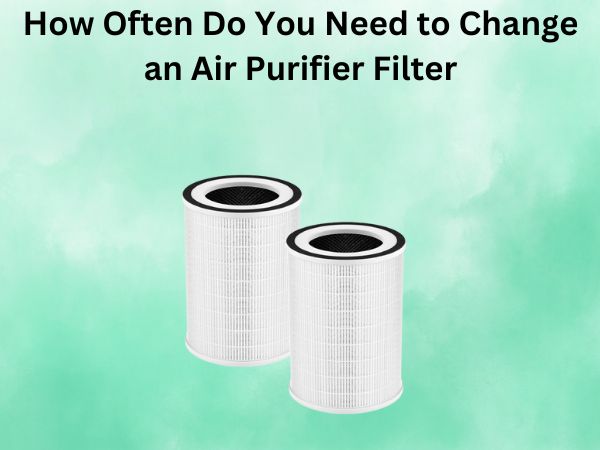
Most HEPA filters last 6 to 12 months with normal use. If you run your purifier continuously, plan on replacing them every 6 months. With part-time operation, you might stretch them to 12 months or beyond. Pre-filters (if your unit has them) often can be vacuumed and reused, extending their lifespan.
Tips for Maximizing Your Air Purifier’s Effectiveness
Regardless of how long you run your purifier, here are some strategies to get the most from it:
- Keep doors closed in the room where your purifier operates to contain the filtered air
- Place your purifier away from walls and obstructions for optimal air circulation
- Run your purifier at the highest setting when you’re not in the room, and lower settings when you need quiet
- Combine purifier use with other air quality improvements like regular vacuuming and good ventilation
- Keep windows closed on high pollution days to prevent new contaminants from entering
- Clean your purifier’s exterior regularly to prevent dust from accumulating
Should You Leave Your Air Purifier On When You’re Away?
This is a practical question many people ask. If you’re leaving for work or vacation, does it make sense to leave your purifier running?
Short answer: probably not for vacations, but it depends for daily absences. If you’ll be gone for 8+ hours daily, running your purifier during those hours provides no benefit since no one’s breathing the air. You’re just wasting electricity and degrading your filter unnecessarily.
However, if you’re only gone for a few hours, you might leave it on to maintain air quality for when you return. The calculation comes down to cost versus benefit.
Smart Scheduling Options
Some air purifiers and smart home systems allow you to schedule operation. You could program your purifier to run for a couple hours before you arrive home, ensuring clean air when you walk in, without running all day while you’re absent.
Air Purifiers for Different Room Types
Different rooms might benefit from different operating schedules.
Bedroom Air Purifier Usage
Bedrooms are premium territory for air purifiers. Running one for at least 8 hours nightly (matching your sleep schedule) significantly improves sleep quality and respiratory health. Many people who use bedroom purifiers report feeling more rested.
Living Room Considerations
Living rooms are high-traffic areas where your family spends time together. Running a purifier for your entire waking hours (8 to 12+ hours) makes sense here, especially if you have kids or pets.
Kitchen and Cooking
If you run an air purifier in or near your kitchen, you might want it active during cooking and for an hour after to manage cooking odors and particulates. A 2 to 3-hour daily cycle might be sufficient here unless you cook heavily.
Seasonal Adjustments to Your Air Purifier Schedule
Your air purifier needs might change with the seasons. During allergy season (spring and fall for many people), consider extending your running time. If you live somewhere with seasonal pollution events like wildfires, bump up your usage during those periods.
In winter, when houses are sealed tight and outdoor air is minimized, you might rely more on indoor pollution sources and could potentially reduce your purifier usage. Conversely, if your area has winter pollution issues, winter might require more intensive purification.
Conclusion
So, how long should you leave your air purifier on? The answer ultimately depends on your specific situation, but here’s what I hope you take away from this guide: for most people, running an air purifier for 8 to 12 hours daily provides excellent air quality improvement without excessive cost or maintenance burden. If you have health concerns, pets, smoke, or live in a polluted area, running it continuously or for at least 12+ hours daily makes sense. If you have minimal air quality concerns and live in a clean area, 4 to 8 hours daily might be sufficient.
Think about your specific circumstances, weigh the costs and benefits, and create a schedule that works for your household. Your air purifier is an investment in your health and comfort—use it strategically to get the maximum benefit without overdoing it. Regular maintenance and consistent operation (