
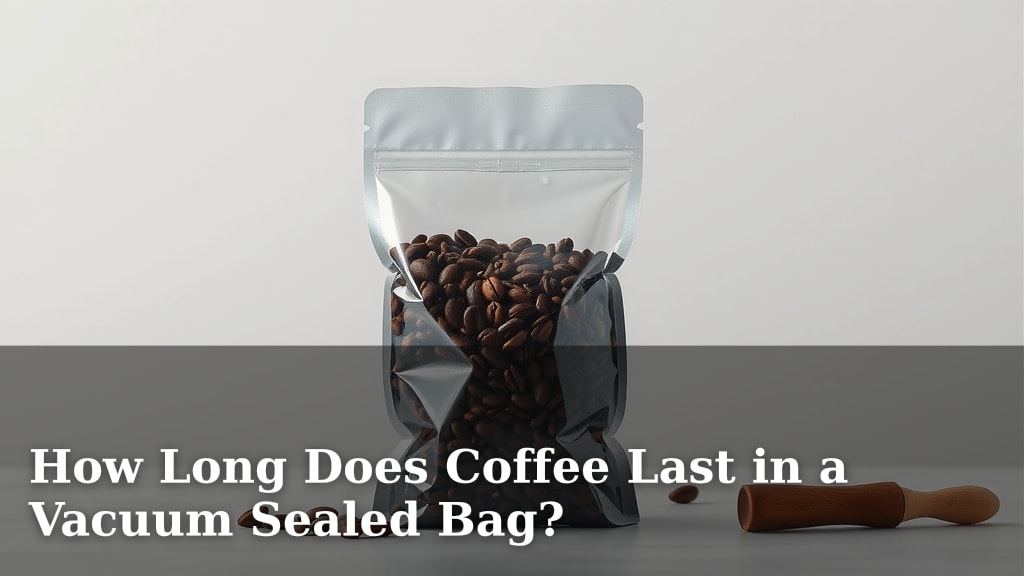
How Long Does Coffee Last in a Vacuum Sealed Bag?
So, how long does coffee last in a vacuum sealed bag? You can expect your coffee to stay fresh for months, even up to a year, when properly vacuum sealed. This method removes the oxygen that causes your delicious beans to go stale quickly. It’s a fantastic way to keep that morning brew tasting amazing.
Vacuum sealing is a game-changer for coffee lovers. It works by sucking out the air, which is the main enemy of fresh coffee. This process helps preserve the aroma and flavor of your beans far longer than traditional methods. You’ll notice a real difference in taste compared to coffee stored in regular bags or containers.
- Vacuum sealing keeps coffee fresh for months, up to a year.
- It removes oxygen, the primary cause of staleness.
- Preserves coffee’s aroma and flavor effectively.
- Great for buying coffee in bulk or storing it long-term.
Let’s dive into the details and see why vacuum sealing is so effective for keeping your coffee at its best.
Coffee Freshness: How Long Does Vacuum Sealing Keep It Good?
So, you’ve got your hands on some amazing coffee beans, maybe even a big bag. You want to keep that wonderful aroma and rich flavor around for as long as possible, right? That’s where vacuum sealing comes in. We found that when you properly vacuum seal your coffee, you can really extend its shelf life significantly compared to just tossing it in a pantry bin.
The big question is, exactly how long does this magical process keep your coffee tasting fantastic? The general consensus among coffee experts and research is that vacuum-sealed coffee can stay fresh for months, and in some cases, even up to a year. This is a pretty amazing feat when you consider how quickly coffee typically loses its punch.
Understanding Coffee’s Enemies: Why Freshness Fades
To really appreciate vacuum sealing, it helps to know what makes coffee go stale in the first place. You see, coffee beans are full of volatile aromatic compounds. These are the compounds that give coffee its delightful smell and taste. Unfortunately, they are very sensitive.
The Oxygen Factor
The primary culprit behind stale coffee is oxygen. When coffee beans are exposed to air, oxygen starts a process called oxidation. Think of it like an apple turning brown after you cut it. Oxidation breaks down those precious flavor compounds. This is why your coffee can start tasting a bit flat or even papery after a while.
We found that even a little bit of air can make a difference over time. The longer the exposure, the more flavor you lose. This is why your standard coffee bag with a one-way valve might not be enough for long-term storage. The valve lets CO2 escape but doesn’t stop oxygen from getting in.
Other Degradation Agents
While oxygen is the main villain, there are other factors that can harm your beans. Moisture is another big one. If your beans absorb moisture, it can lead to mold growth and affect the taste negatively. Light can also degrade coffee quality, especially direct sunlight. Heat speeds up chemical reactions, making your beans go stale even faster.
So, when you’re thinking about storing coffee, you’re really battling a combination of these elements. Vacuum sealing tackles the biggest one: oxygen. It also helps to keep moisture and light out by creating a completely sealed environment.
The Science Behind Vacuum Sealing Coffee
Vacuum sealing works on a very simple principle: remove the air. By sucking out nearly all the oxygen from the bag before sealing it, you create an environment where oxidation can’t happen. This is incredibly effective for preserving the quality of perishable items, and coffee is no exception.
How Oxygen Affects Coffee
When oxygen interacts with the oils and compounds in coffee beans, it causes them to break down. This process doesn’t just affect flavor; it also diminishes the coffee’s aroma. You know that amazing smell when you first open a fresh bag of coffee? Oxidation is what slowly erases that.
Many coffee professionals agree that minimizing oxygen exposure is key to maintaining freshness. Research from food science journals often highlights oxygen as the main driver of spoilage in roasted goods like coffee. By removing it, you halt this degradation process in its tracks.
The Role of the Vacuum Seal Bag
A good quality vacuum seal bag creates a barrier. Once the air is removed, the bag collapses around the beans, forming a tight seal. This barrier is crucial. It prevents new oxygen from entering the bag, keeping the environment inside consistently low in oxygen. This means your beans are protected from one of their biggest enemies.
We found that the type of bag matters, too. Thicker, multi-layer bags are generally better at blocking out light and moisture, providing an even more robust protective shield for your precious beans. This combination of air removal and barrier protection is what makes vacuum sealing so potent for coffee storage.
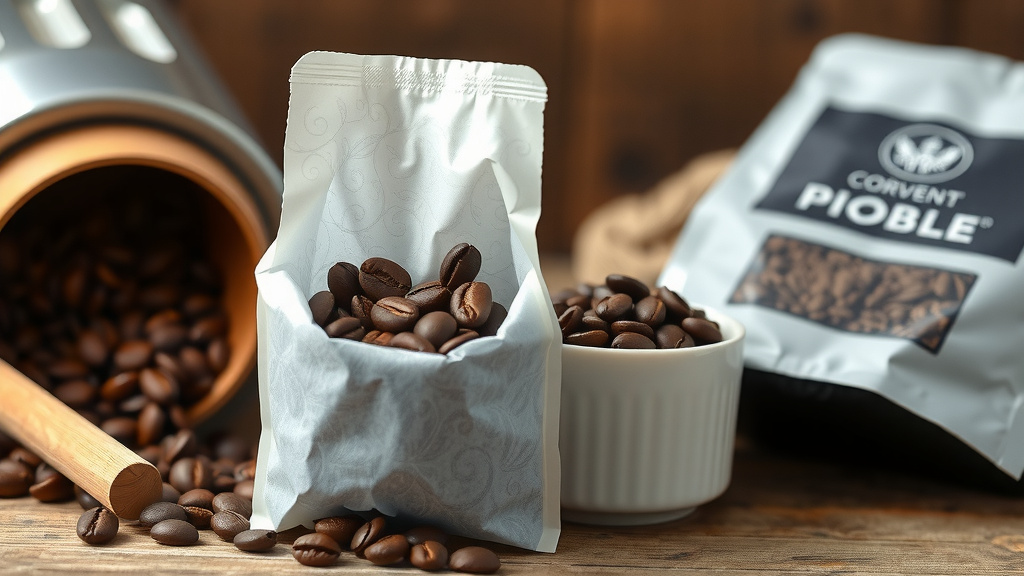
How Long Does Vacuum-Sealed Coffee *Really* Last?
So, let’s get back to that key question. When you vacuum seal your coffee correctly, you can expect a shelf life of several months to potentially a year. This isn’t magic; it’s science at work protecting your beans.
Factors Influencing Longevity
Several things can affect how long your vacuum-sealed coffee stays at its peak. The quality of the coffee itself is a starting point. Fresher beans will always last longer than older ones, no matter how well they’re stored. The roast level also plays a role; darker roasts tend to have more oils and can degrade a bit faster.
The effectiveness of your seal is critical. If your vacuum sealer didn’t remove all the air, or if there’s a small leak, oxygen can still get in. We found that a truly airtight seal is paramount. Also, where you store the bag matters. Keeping it in a cool, dark place, like a pantry or cupboard, away from heat and light, will provide the best conditions.
Here’s a general idea based on research and expert opinions:
| Storage Method | Estimated Freshness |
|---|---|
| Original Bag (unopened) | 2-4 weeks post-roast |
| Airtight Container (opened) | 1-2 months |
| Vacuum Sealed Bag (opened/stored) | 6-12 months |
As you can see, vacuum sealing offers a significant boost in freshness duration. It’s truly a game-changer for enjoying your coffee at its best, even if you bought it a while ago.
Recognizing When Coffee is Past Its Prime
Even with the best storage, coffee won’t last forever. How can you tell if your vacuum-sealed beans have gone stale? The most obvious sign is the aroma. If it’s faint, musty, or just not there, the volatile compounds have likely degraded. The flavor will also be dull. You might describe it as bland, papery, or even slightly sour. Another indicator can be the lack of crema when you brew espresso; stale coffee produces little to no crema.
We recommend using your senses. If the coffee doesn’t smell inviting, it probably won’t taste great. It’s better to err on the side of caution and use up your beans within the optimal window for the best possible coffee experience.
Tips for Maximizing Coffee’s Lifespan with Vacuum Sealing
Want to get the absolute most out of your vacuum-sealed coffee? Here are a few tips that can help ensure you’re enjoying the freshest possible brew, even after months of storage.
- Start with Fresh Beans: Always vacuum seal coffee as soon as possible after the roast date. The fresher it is when sealed, the longer it will stay that way.
- Seal in Small Batches: If you buy large quantities, consider vacuum sealing them in smaller, 1-pound or half-pound bags. This way, you only open what you need, minimizing exposure for the rest.
- Ensure a Good Seal: Double-check your vacuum sealer to ensure it’s creating a strong, airtight seal. A poor seal negates the benefits.
- Store Properly: Always store your vacuum-sealed bags in a cool, dark, and dry place. Avoid the refrigerator or freezer unless specifically recommended for certain types of coffee storage, as condensation can be an issue.
- Label Your Bags: It’s easy to forget when you sealed a bag. Add the date of sealing to each bag so you know its age.
Conclusion
You’ve learned that vacuum sealing is your best bet for keeping coffee fresh for months, even up to a year. By removing oxygen, the main culprit behind staleness, you preserve the coffee’s vibrant aroma and rich flavor. Remember, the key is a proper seal and storing your bags in a cool, dark place.
Don’t let your favorite beans lose their magic! Start vacuum sealing your coffee today to enjoy delicious brews, no matter when you bought them. Your taste buds will thank you for it.
Frequently Asked Questions
Can I vacuum seal coffee that’s already been opened?
Yes, absolutely! As long as you’ve used it already, vacuum sealing is an excellent way to protect it from further oxygen exposure. Just make sure to remove any air from the bag before sealing.
Does the type of coffee bean matter for how long it stays fresh?
Generally, the quality and freshness of the beans when you seal them are most important. While darker roasts might degrade slightly faster due to more oils, proper vacuum sealing still offers substantial protection for all bean types.
What’s the difference between vacuum sealing and just using an airtight container?
Airtight containers reduce oxygen exposure, but they can’t remove it entirely. Vacuum sealing actively removes almost all the air, creating a much more protective environment that significantly extends freshness compared to a typical container.
How do I know if my vacuum seal on the coffee bag is good?
A good seal means the bag has visibly collapsed tightly around the beans, with no air pockets. When you press on the bag, it should feel firm and not easily compressible. If it re-inflates, there might be a leak.
Is it ever okay to store vacuum-sealed coffee in the refrigerator?
While a cool, dark pantry is ideal, some experts suggest refrigeration for very long-term storage. However, you must be extremely careful about condensation. Ensure the bag is perfectly sealed and let it come to room temperature *before* opening to prevent moisture damage.
![7 Best Cordless Vacuum For Cat Hair [2026]](https://bathroomexplorer.com/wp-content/uploads/2026/05/7-best-cordless-vacuum-for-cat-hair-2026-featured-768x432.jpg)
![7 Best Handheld Vacuum Cleaner For Stairs [2026]](https://bathroomexplorer.com/wp-content/uploads/2026/05/7-best-handheld-vacuum-cleaner-for-stairs-2026-featured-768x432.jpg)