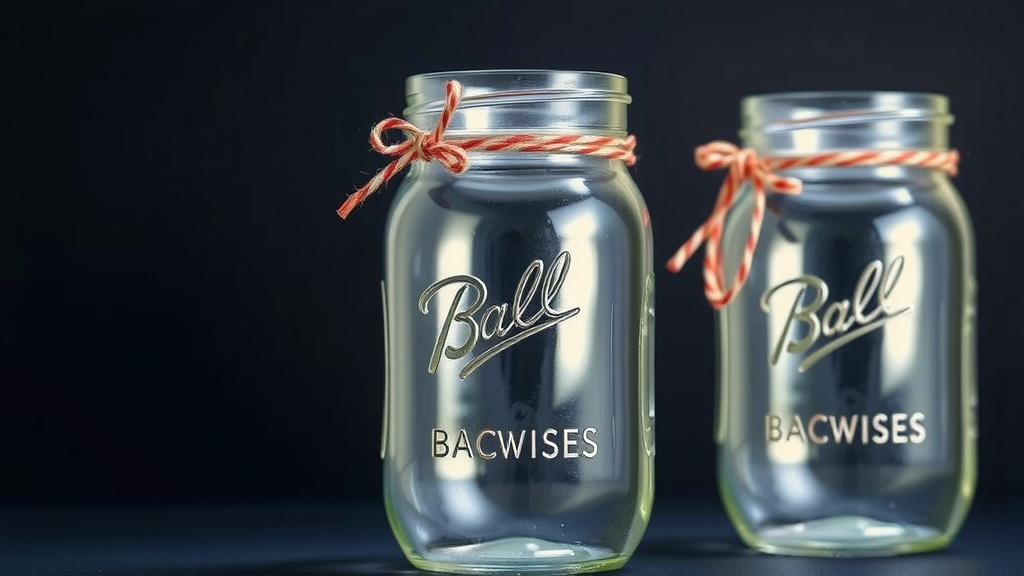
Vacuum Sealed Mason Jars: How Long Do They Last
Vacuum sealed mason jars can last a surprisingly long time. Generally, properly sealed dry goods can last for years, often 25 years or even longer. For best quality, it’s wise to consume them sooner rather than later.
The secret to this longevity lies in removing oxygen from the jar. This greatly slows down spoilage and preserves the freshness of your food. Think of it as creating a tiny, preserved time capsule for your pantry.
- Vacuum sealing removes oxygen, extending shelf life.
- Dry goods can last for 25+ years when properly sealed.
- For best taste, consume within a few years.
- Moisture and heat are enemies of sealed jars.
We’ve gathered the best information to help you understand exactly how long your vacuum-sealed mason jars will stay fresh. Let’s get into the details!
How Long Can Vacuum-Sealed Mason Jars Keep Food Fresh?
You’re probably wondering how long your vacuum-sealed mason jars will actually last. It’s a great question for anyone looking to store food long-term. We found that with proper techniques, your sealed jars can maintain food quality for a remarkably long time.
The exact duration depends on several factors. These include the type of food, the sealing method, and storage conditions. But generally, you can expect shelf lives measured in years, not months.
The Science Behind Long-Term Food Preservation
Vacuum sealing works by removing the air from inside your mason jar. Oxygen is the main culprit behind food spoilage. It helps bacteria and mold grow. It also causes oxidation, which can lead to off-flavors and nutrient loss.
By taking out most of the oxygen, you drastically slow down these processes. Think of it like putting your food into hibernation. This makes your vacuum-sealed jars a fantastic way to preserve food for emergencies or just to have a well-stocked pantry.
Understanding Shelf Life: Dry Goods vs. Moist Foods
It’s important to distinguish between different types of foods. The rules for dry goods are quite different from those for moist or acidic foods. You’ll find a big difference in how long each category can be safely stored.
Dry Goods: The Longest Lasting Treasures
When we talk about foods like grains, beans, pasta, sugar, and dried herbs, vacuum sealing really shines. These items have very little moisture. This makes them naturally resistant to spoilage.
Research suggests that properly vacuum-sealed dry goods can last for 25 years or even more. Some sources even mention 30 years or longer! For example, the National Center for Home Food Preservation at the University of Georgia indicates that properly stored dry foods can last indefinitely. However, for optimal quality, they recommend using them within a few years.
Other Dry Goods Considerations
Things like flour, oats, and rice will also last a very long time. You can often extend their shelf life beyond their ‘best by’ dates significantly. Just ensure they are completely dry before sealing.
Nuts are another great candidate. However, their oils can eventually go rancid, even in a vacuum-sealed jar. We recommend using nuts within 1-3 years for the best taste and quality. Some experts suggest storing them in a cool, dark place to further slow this process.
Moist and Acidic Foods: A Shorter (But Still Good!) Lifespan
Foods with higher moisture content, like jerky, dried fruits, or dehydrated meals, have a shorter shelf life. While vacuum sealing helps, it doesn’t eliminate all risks. These items can still degrade over time.
We found that properly vacuum-sealed jerky might last 1-2 years. Dried fruits can last a few years. The key is ensuring they are thoroughly dried before sealing. Moisture is the enemy here.
Even with acidic foods like sauces or pickles, while vacuum sealing helps prevent spoilage, the quality might decline faster. You might notice changes in texture or flavor after a year or two.
The Enemies of Your Vacuum-Sealed Jars
Even the best vacuum seal can’t protect food forever if it’s not stored correctly. Several factors can shorten the lifespan of your sealed goods.
Moisture is the Silent Killer
We cannot stress this enough: moisture is the biggest threat. If any moisture gets into your dry goods before sealing, or if condensation forms inside the jar later, it can lead to mold and spoilage. This is why it’s crucial to ensure your food is bone dry.
Heat and Light Accelerate Degradation
Storing your sealed jars in a cool, dark place is essential. High temperatures can degrade food quality much faster. Light can also break down nutrients and affect flavor. Think of your pantry or a basement as the ideal storage location.
Consistent temperatures are also important. Fluctuations can cause condensation inside the jar. This is especially true for foods that aren’t completely shelf-stable. Many guidelines suggest storing preserved foods below 70°F (21°C) (USDA).
Oxygen Leaks: The Seal’s Weakest Point
While vacuum sealing removes most oxygen, a faulty seal can let it back in. This can happen if the jar rim is dirty, the lid is damaged, or the vacuum seal itself fails over time.
A compromised seal is the easiest way for air to re-enter. Always inspect your jars before storing. You should be able to feel a slight indentation on the lid. If it seems loose or pops up, the seal might be broken.
How to Ensure the Longest Possible Shelf Life
Want to make sure your vacuum-sealed jars last as long as possible? Following these best practices will help you achieve that.
- Start with Quality Ingredients: Fresh, high-quality food will always store better.
- Ensure Food is Completely Dry: This is especially critical for dry goods.
- Use Proper Vacuum Sealing Techniques: Make sure your machine is working correctly.
- Inspect Your Jars: Look for a good seal on every jar.
- Store in a Cool, Dark, Dry Place: This is non-negotiable for longevity.
- Label Clearly: Note the contents and the date sealed.
Signs Your Vacuum-Sealed Jar May No Longer Be Good
Even with the best intentions, it’s always wise to check your food before consuming it. Here are a few warning signs:
- Bulging Lid: This indicates gas buildup inside, a sign of spoilage.
- Leaking Seal: If you see any liquid escaping or the lid is loose.
- Mold or Discoloration: Any visible signs of mold are a definite no-go.
- Off Odors: If it smells strange, sour, or generally unpleasant.
- Unusual Texture: If the food seems mushy, slimy, or otherwise abnormal.
When in doubt, throw it out. It’s better to be safe than sorry when it comes to food preservation.
Factors Affecting Vacuum Seal Longevity: A Quick Look
Let’s summarize the key elements that influence how long your vacuum-sealed mason jars will keep food fresh. We’ve broken them down for clarity.
| Factor | Impact on Shelf Life | Best Practice |
|---|---|---|
| Food Type | Dry goods last longest; moist foods have shorter shelf lives. | Store dry goods for maximum longevity. |
| Moisture Content | High moisture leads to faster spoilage. | Ensure food is thoroughly dried before sealing. |
| Storage Temperature | Heat accelerates degradation; cool is better. | Store below 70°F (21°C) in a consistent temperature. |
| Light Exposure | Light can degrade nutrients and flavor. | Store in a dark place, like a pantry or cupboard. |
| Seal Quality | A poor seal allows oxygen in, promoting spoilage. | Inspect jars for a secure, intact vacuum seal. |
Conclusion
You’ve learned that vacuum-sealed mason jars are a powerful tool for long-term food storage. Properly sealed dry goods can last for decades, thanks to the removal of oxygen that slows spoilage. Remember that moisture, heat, and light are your biggest enemies. By ensuring your food is dry and storing your jars in a cool, dark place, you maximize their shelf life. Always inspect your seals for any signs of failure. Now, you’re ready to confidently stock your pantry and enjoy preserved foods for years to come!
Frequently Asked Questions
Can I vacuum seal leftovers in mason jars?
While you can vacuum seal leftovers, their shelf life will be much shorter than dry goods. It’s best for short-term storage, like a few extra days in the refrigerator. The moisture content in cooked foods means they are more prone to spoilage, even when sealed.
Do I need special mason jar lids for vacuum sealing?
You don’t necessarily need special lids. Most countertop vacuum sealers come with an attachment that works with standard wide-mouth mason jar lids. Ensure the lid rim and the jar mouth are clean and dry for a proper seal.
What’s the difference between vacuum sealing and regular canning?
Regular canning uses heat to create a vacuum seal and destroy microorganisms, making food shelf-stable at room temperature. Vacuum sealing primarily removes oxygen, which extends shelf life but doesn’t always guarantee shelf stability like traditional canning does, especially for moist foods.
How do I know if my vacuum seal has failed?
You’ll know a vacuum seal has failed if the jar lid feels loose or pops up when pressed. You might also see signs of moisture or the contents looking or smelling off. Regularly check your jars for these indicators.
Can I vacuum seal opened bags of dry goods like rice or beans?
Yes, you absolutely can! Vacuum sealing is an excellent way to preserve opened bags of dry goods like rice, beans, oats, and pasta. It removes air, preventing staleness and protecting them from pests, significantly extending their freshness beyond their original packaging.
![7 Best Handheld Vacuum For Dorm Rooms [2026]](https://bathroomexplorer.com/wp-content/uploads/2026/05/7-best-handheld-vacuum-for-dorm-rooms-2026-featured-768x432.jpg)