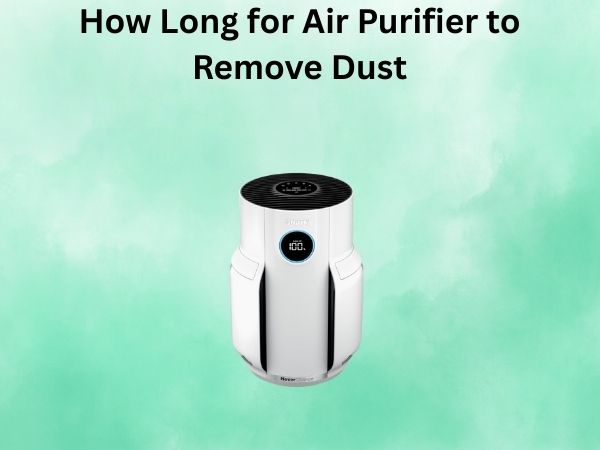
How Long for Air Purifier to Remove Dust: A Complete Guide to Cleaner Air
So, you’ve invested in an air purifier, or perhaps you’re considering one, and your main question is likely: ‘How fast will it clean my air?’ It’s a common query, but the speed of dust removal isn’t a simple ‘yes’ or ‘no’ answer. This guide will clarify the timelines involved and the key elements that influence them.
Understanding How Air Purifiers Actually Remove Dust
Think of an air purifier like a vacuum cleaner for your air. It doesn’t magically disappear dust from your space—instead, it captures particles by pulling them through various filtration stages. The speed at which this happens depends on several variables working together.
The Basic Mechanics of Dust Removal
When you turn on an air purifier, it draws air from your room into its system. Inside, multiple filters work in sequence to trap different sizes of particles. Most units have a pre-filter that catches larger particles, a HEPA filter that captures tiny dust particles, and sometimes an activated carbon filter for odors and gases. It’s like having three security checkpoints, each one catching different sized intruders.
Why Dust Doesn’t Disappear Instantly
Here’s the reality check: your air purifier can’t clean every cubic inch of air simultaneously. It needs time to cycle through the entire volume of air in your room multiple times. Additionally, dust that’s already settled on surfaces isn’t being actively removed by the purifier—it only catches particles that are floating in the air.
Typical Timeframes for Noticeable Dust Reduction
In most residential settings, you should notice a significant difference in airborne dust within the first 30 minutes to 2 hours of running your air purifier. However, “significant” doesn’t mean perfect. Let me explain what you can realistically expect.
The First 30 Minutes
During the initial half-hour, your purifier is working hard to catch the dust that’s actively floating around. You might notice dust particles visible in sunlight beams becoming less pronounced. This is when the device handles the bulk of the easily accessible particles.
The One to Two Hour Mark
By the time your purifier has run for 1-2 hours continuously, you’ll likely see more dramatic improvements. The air feels cleaner, and if you have allergies, you might notice some relief. At this point, the device has cycled through most of your room’s air volume at least once.
Beyond Two Hours
After a couple of hours, the improvements become more subtle but still meaningful. Your purifier continues removing dust, but there are diminishing returns. The remaining dust particles are either very small or embedded in harder-to-reach corners. Running your purifier overnight or all day leads to cumulative benefits that really add up over weeks and months.
Critical Factors That Affect Dust Removal Speed
Not all air purifiers work at the same pace, and not all rooms present the same challenges. Here are the variables that genuinely matter.
Room Size and Air Changes Per Hour
This is perhaps the most important factor. Air Changes Per Hour, or ACH, tells you how many times the purifier can filter all the air in your room. A rating of ACH 5 means the device can theoretically clean all the air five times in one hour. A larger room with the same sized purifier will have a lower ACH and take longer to show results.
For example, a small 150-square-foot bedroom with a powerful purifier might achieve complete air cycling in 15 minutes. That same purifier in a 500-square-foot living room might need 45 minutes. This is why buying the right sized unit for your space is crucial.
Filter Quality and Type
Not all filters are created equal. A true HEPA filter can capture 99.97% of particles as small as 0.3 microns. Budget filters might only trap larger particles and work much less efficiently. If your purifier has a genuine HEPA filter, you’ll see faster and more complete dust removal compared to a basic model.
Different Filter Types Explained
- Pre-filters: Catch large particles like dust, pet hair, and lint. They extend the life of more expensive filters.
- HEPA filters: The gold standard for removing fine dust particles and allergens
- Activated carbon: Works better for odors and gases rather than dust specifically
- UV light: Kills bacteria and viruses but doesn’t remove dust particles
Air Circulation Patterns in Your Room
Believe it or not, how air flows around your room affects purification speed. Placing your purifier in a stagnant corner means it takes longer for all the air in your space to reach the device. Dead spots where air barely moves will have dust particles lingering longer. Think of it like water in a river—stagnant pools stay dirty while flowing water gets cleaned faster.
Initial Dust Concentration
If your room is already relatively clean, your purifier will work faster to remove what little dust remains. However, if you’ve got thick dust buildup from months of neglect, it’ll take longer to achieve pristine conditions. It’s like washing a slightly dirty car versus a mud-covered one.
Humidity Levels
This might surprise you, but humidity affects dust particle behavior. High humidity makes dust particles heavier and more likely to settle, while low humidity keeps them airborne longer. Your purifier works more effectively when dust is actively floating, so moderate humidity is ideal.
Optimal Placement Strategies for Maximum Dust Removal
Where you position your air purifier significantly impacts how quickly it removes dust. This is where many people make their first mistake.
Best Locations for Air Purifier Placement
- Central location: Placing it in the center of a room allows air to circulate more evenly
- Off the floor: Elevated placement helps the purifier catch particles before they settle
- Away from walls: At least a foot away from walls allows better air intake from all directions
- Near problem areas: If dust accumulates near windows or doors, consider placing your unit nearby
- Not in corners: Corners create dead zones where air moves slowly
Locations to Avoid
Don’t place your purifier in a closet, against a wall, or behind furniture. Don’t run it in a room with doors and windows constantly opening—it’s like trying to fill a bucket with a hole in the bottom. Avoid enclosed spaces where air can’t circulate properly around the device.
Real-World Scenarios: What to Actually Expect
Let me paint some realistic pictures of what happens in different situations.
Scenario One: Small Bedroom with Good Air Purifier
You have a 200-square-foot bedroom and a quality purifier rated for rooms up to 400 square feet. Within 20-30 minutes, you’ll notice noticeably cleaner air. After 2-3 hours, the improvement is quite dramatic. Running it overnight virtually eliminates dust problems in that space.
Scenario Two: Large Living Room with Adequate Purifier
Your living room is 450 square feet and your purifier is rated for exactly that size. Expect 45 minutes to an hour before you notice meaningful improvements. Full optimization takes 3-4 hours. You’ll need to run it regularly to maintain clean air in this larger space.
Scenario Three: Very Dusty Environment
Perhaps you live on a dirt road or next to construction. Your purifier might never make your air perfectly dust-free because new dust keeps entering. However, it’ll still significantly reduce dust levels compared to having no purifier at all. In this case, running it constantly is necessary.
Maximizing Your Air Purifier’s Dust Removal Capabilities
You can optimize your purifier’s performance with some smart habits.
Running Your Purifier Strategically
Run your unit on its highest setting for at least 2-3 hours daily if dust is a concern. Many people make the mistake of running it on low speed constantly. It’s more efficient to run it hard for concentrated periods. During high pollen or dust days, run it continuously. At night, run it while you sleep to wake up to cleaner air.
Combining Purification with Other Methods
Your air purifier works best when you complement it with other dust control methods. Vacuum regularly using a vacuum with a HEPA filter. Dust surfaces with damp cloths that trap particles instead of spreading them. Use air-sealing around doors and windows to prevent dust from entering. Change your bedding weekly. These combined efforts dramatically improve results.
Maintaining Proper Filter Conditions
A clogged filter is an ineffective filter. Check your pre-filter monthly and replace it every 1-3 months depending on dust levels in your home. Your HEPA filter typically needs replacement every 6-12 months. Some premium models have washable pre-filters that you can rinse instead of replacing, saving money over time.
Common Mistakes That Slow Down Dust Removal
I’ve seen countless people undermine their own air quality efforts. Let me share the most common pitfalls.
Buying the Wrong Size Unit
Getting an air purifier rated for 200 square feet for your 600-square-foot space means it’ll barely make a dent. It’ll take 3-4 times longer to show results, and you’ll never achieve optimal air quality. It’s one of the most common and easily preventable mistakes.
Not Replacing Filters on Schedule
A purifier with a completely clogged filter works at a fraction of its intended capacity. Some people think they can stretch filter life indefinitely. Your unit’s performance degrades as filters get dirty, so stick to manufacturer recommendations.
Poor Placement Choices
Hiding your purifier behind the couch or in a closet wastes its potential. If it can’t access fresh air easily, it can’t purify effectively.
Expecting Instant Perfection
Some people run their purifier for 10 minutes, see modest improvements, and feel disappointed. Air purification is a process that requires patience and consistent operation. Give it time to work properly.
Understanding Filter Replacement Timing
When should you actually replace your filters? This affects how long your purifier takes to remove dust.
Signs Your Filter Needs Replacement
- Noticeably reduced air flow from the purifier outlet
- Dust accumulation on the filter itself (visible when you open the unit)
- Strange smells coming from the purifier
- The unit working harder or sounding louder than usual
- Dust problems returning despite regular use
Filter Replacement Schedules
In average homes with minimal dust, replace HEPA filters every 8-12 months. In dusty environments, replace them every 4-6 months. Some purifiers have filter indicators that tell you when replacement is necessary—pay attention to these signals. Using dirty filters is like asking someone to run a marathon while holding their breath.
Measuring Your Air Purifier’s Effectiveness
How do you know if your air purifier is actually working? Beyond just feeling the air is cleaner, there are ways to measure real improvements.
Observable Signs of Dust Reduction
Look at sunbeams coming through your windows. The fewer visible dust particles floating through the light beam, the better your purifier is working. Check flat surfaces—do they accumulate dust as quickly as they used to? If not, your air is genuinely cleaner. Some people notice allergy symptoms improving, which is a strong indicator of reduced airborne particles.
Air Quality Monitors
If you want scientific confirmation, air quality monitors can measure particulate matter in your room. These devices show you real numbers before and after running your purifier. They’re particularly useful if you have family members with allergies or respiratory issues.
Seasonal Considerations for Dust Removal
Dust problems change throughout the year.
Spring and Fall Seasons
When windows are open and there’s more outdoor activity, dust levels increase. Your purifier might need to run longer to keep up with incoming dust particles. This is when running it on higher settings becomes necessary.
Winter and Summer
With windows closed, less outdoor dust enters. Your purifier works more efficiently since it’s mainly dealing with indoor dust sources. However, heating and cooling systems can stir up dust, so consistent operation is still important.
The Long-Term Benefits of Regular Air Purification
While immediate dust removal happens within hours, the real benefits accumulate over weeks and months.
Health Improvements Over Time
People using air purifiers consistently report fewer allergies, better sleep quality, reduced respiratory issues, and fewer sick days. These benefits come from prolonged exposure to cleaner air, not just immediate purification.
Reduced Cleaning Frequency
With an active air purifier, your surfaces accumulate dust more slowly. You won’t need to dust as frequently, saving time and effort. Your furniture and electronics stay cleaner longer.
Conclusion
So, how long does it actually take for an air purifier to remove dust? The honest answer is that you’ll notice significant improvements within 30 minutes to 2 hours, with the most dramatic changes happening in the first couple of hours. However, the timeline depends heavily on your room size, purifier quality, initial dust levels, and placement strategy.
If you want the best results, choose a purifier appropriately sized for your space, place it in a central location away from walls, run it on higher settings for concentrated periods, and maintain your filters religiously. Combine mechanical air purification with other dust control methods like regular vacuuming and surface cleaning for optimal air quality.
Remember, air purification isn’t a one-time fix—it’s an ongoing process. Think of it like brushing your teeth. You wouldn’t brush once and expect healthy teeth forever. Similarly, running your purifier consistently maintains clean air in your home. The investment pays off in better health, fewer allergies, and a generally cleaner living environment. Start using your air purifier today, and you’ll feel the difference almost immediately while