
Thawed Vacuum-Sealed Fish: How Long Does It Last
When you thaw vacuum-sealed fish, it’s generally good for about 1-2 days in the refrigerator. This timeframe applies after the fish has been fully thawed. Proper storage is key to keeping it safe and tasty. Always keep your thawed fish on ice or a chilled plate in the coldest part of your fridge.
Vacuum sealing helps extend the shelf life of raw fish. It removes air, slowing down spoilage. But once thawed, the fish is more susceptible to bacteria. We found that understanding the thawing method also matters for safety. For instance, thawing in the fridge is always best.
- Thawed vacuum-sealed fish lasts 1-2 days in the fridge.
- Always keep thawed fish cold.
- Vacuum sealing slows spoilage but doesn’t stop it.
- Fridge thawing is the safest method.
- Trust your senses: if it smells off, it probably is!
Let’s dive into the specifics of how long your thawed vacuum-sealed fish will stay fresh and what signs to look for, so you can enjoy it without worry.
So, you’ve successfully thawed that vacuum-sealed fish and are ready to cook. That’s fantastic! But a common question pops up: how long can you safely keep it in the fridge before it’s time to say goodbye? We found that generally, thawed vacuum-sealed fish is best used within 1 to 2 days after it’s fully thawed.
How Long Your Thawed Vacuum-Sealed Fish Stays Good
Once that vacuum seal is broken and the fish is thawed, it enters a new phase of freshness. Think of it like breaking the seal on a fresh bag of salad; it’s still good, but on a shorter clock. We found that the USDA recommends keeping most types of cooked or thawed fish no more than 3 to 4 days in the refrigerator. However, for thawed fish that was previously raw, many sources suggest a slightly shorter window to be on the safe side.
Understanding the Shelf Life Factors
Several things influence how long your thawed fish will last. The initial quality of the fish is a big one. Was it super fresh when it was sealed? That makes a difference. The temperature of your refrigerator is another key player. If your fridge runs warmer than 40°F (4°C), spoilage can happen much faster. We found that keeping your fridge consistently cold is vital for food safety.
The Role of Vacuum Sealing
Before thawing, that vacuum seal was your fish’s best friend. It worked hard to remove oxygen. Oxygen is a major culprit in spoilage, feeding the bacteria that make food go bad. So, vacuum sealing significantly slows down this process, keeping your fish fresher for longer in its raw, sealed state. But, like a superhero taking off their cape, its main powers are diminished once the seal is broken and it starts thawing.
Thawing Method Matters
How you thawed the fish also plays a role. The safest and best method, according to many food safety experts, is thawing in the refrigerator. This keeps the fish out of the “danger zone” (between 40°F and 140°F or 4°C and 60°C) where bacteria multiply rapidly. Thawing in the fridge allows the fish to defrost slowly and safely. We found that when you thaw it this way, you maximize its remaining fridge life.
Signs Your Thawed Fish Might Be Past Its Prime
Your senses are your best tools here! Don’t just rely on the calendar. Trust what you see, smell, and feel. We found that these are often the most reliable indicators of spoilage.
- Smell: Fresh fish should have a mild, slightly oceanic smell. If it has a strong, fishy, sour, or ammonia-like odor, it’s time to toss it. This is the most common and often the first sign.
- Texture: Fresh fish feels firm and moist. If your thawed fish feels slimy, sticky, or mushy, it’s likely spoiled. The flesh should spring back when gently pressed.
- Appearance: Look for dullness or discoloration. While some fish naturally have varied colors, any off-putting changes like a milky film or graying edges could be a warning sign.
Storing Thawed Fish Safely in Your Refrigerator
You’ve decided your fish is still good to go! Now, let’s talk about making sure it stays that way until you’re ready to cook. Proper storage is just as important as how long you keep it.
The Coldest Spot is Your Friend
Your refrigerator has colder and warmer zones. The coldest part is usually the back of the bottom shelf. This is where you want your thawed fish to live. We found that placing it on a plate or in a sealed container can catch any drips and prevent cross-contamination with other foods.
Keeping it Chilled on Ice
For an extra layer of security, especially if you’re on the longer end of the 1-2 day window, consider keeping your thawed fish on a bed of ice. Place the fish in a leak-proof bag or container, and then place that container on a larger tray filled with ice. This helps maintain a very low temperature, slowing down any bacterial growth. We found this method is especially useful if your fridge temperature fluctuates.
A Quick Guide to Thawed Fish Freshness
To help you keep track, here’s a simple checklist. Think of it as your fish-freshness guardian angel.
- Check the expiration or “packed on” date if available.
- Thaw in the refrigerator, never at room temperature.
- Use within 1-2 days of full thawing.
- Store in the coldest part of your fridge.
- Consider storing on ice for maximum freshness.
- Trust your senses: smell, texture, and appearance are key.
By following these guidelines, you can confidently enjoy your vacuum-sealed fish, knowing it’s both safe and delicious. Remember, when in doubt, it’s always better to be safe and discard the fish. Your taste buds and your well-being will thank you!
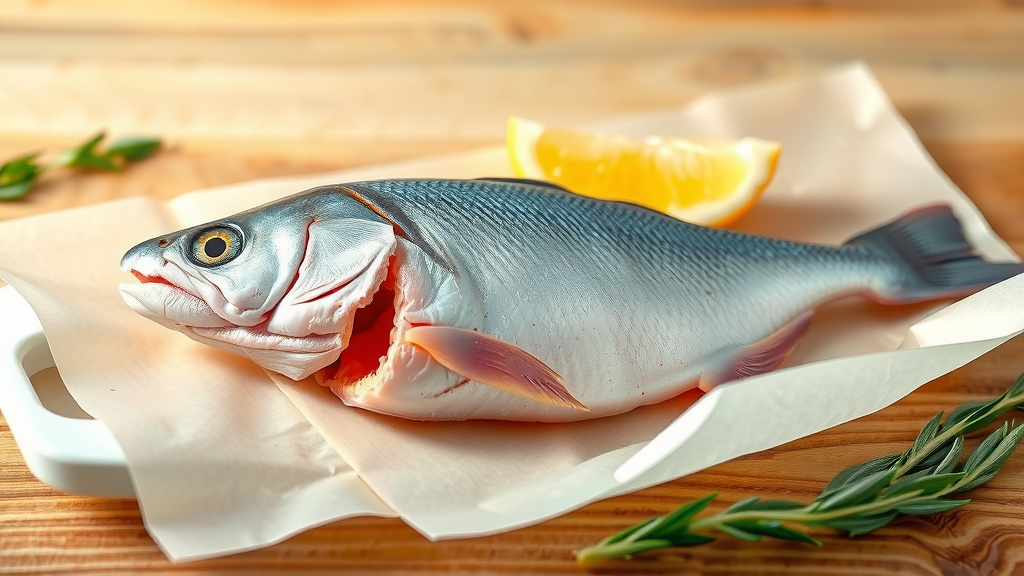
Conclusion
You’ve got the knowledge to keep your thawed vacuum-sealed fish delicious and safe! Remember, the general rule is 1-2 days in the fridge after thawing. Always prioritize keeping it super cold and trust your senses – smell, texture, and appearance are your best indicators of freshness. Vacuum sealing is a great start, but proper handling post-thaw is key. Before you cook, take a moment to assess your fish. If anything seems off, it’s always best to err on the side of caution.
So, your next step is simple: plan your meals to use that thawed fish within that 1-2 day window. Happy cooking!
Frequently Asked Questions
Can I refreeze fish that was previously vacuum-sealed and thawed?
It’s generally not recommended to refreeze fish that has already been thawed, even if it was vacuum-sealed. Once thawed, the quality and texture can degrade significantly. Refreezing can also increase the risk of bacterial growth if the fish wasn’t kept consistently cold during the thawing process.
Is it safe to eat vacuum-sealed fish if it’s been thawed for 3 days?
While some sources suggest up to 3-4 days for *cooked* fish, for *thawed raw* vacuum-sealed fish, sticking to the 1-2 day window is much safer. After 3 days, the risk of bacterial spoilage increases, and you might not be able to detect it with your senses alone.
What if my vacuum-sealed fish smells slightly stronger after thawing?
A slightly stronger smell than when it was frozen might be normal for some fish species after thawing. However, any smell that is pungent, sour, or ammonia-like is a definite sign of spoilage. Trust your nose; if it smells “off” in a bad way, discard the fish immediately.
Does the type of fish affect how long it’s good for after thawing?
Yes, the type of fish can influence its shelf life. Fattier fish, like salmon, might spoil a bit faster than leaner fish, like cod. However, the 1-2 day guideline is a good general rule for most types of fish when handled properly after thawing.
Can I thaw vacuum-sealed fish on the counter to save time?
No, you should never thaw fish (or any perishable food) on the counter. This allows the fish to sit in the temperature “danger zone” (40°F to 140°F) where bacteria multiply rapidly. Always thaw vacuum-sealed fish in the refrigerator, in cold water, or in the microwave if you plan to cook it immediately.
![7 Best Cordless Vacuum For Hardwood Floors Consumer Reports [2026]](https://bathroomexplorer.com/wp-content/uploads/2026/05/7-best-cordless-vacuum-for-hardwood-floors-consumer-reports-2026-featured-768x432.jpg)
![7 Best Electric Vacuum Pump For Brakes [2026]](https://bathroomexplorer.com/wp-content/uploads/2026/05/7-best-electric-vacuum-pump-for-brakes-2026-featured-768x432.jpg)
![7 Best Lightweight Vacuum For Stairs [2026]](https://bathroomexplorer.com/wp-content/uploads/2026/06/7-best-lightweight-vacuum-for-stairs-2026-featured-768x432.jpg)