Vacuum Sealed Coffee Shelf Life: How Long Does It Last
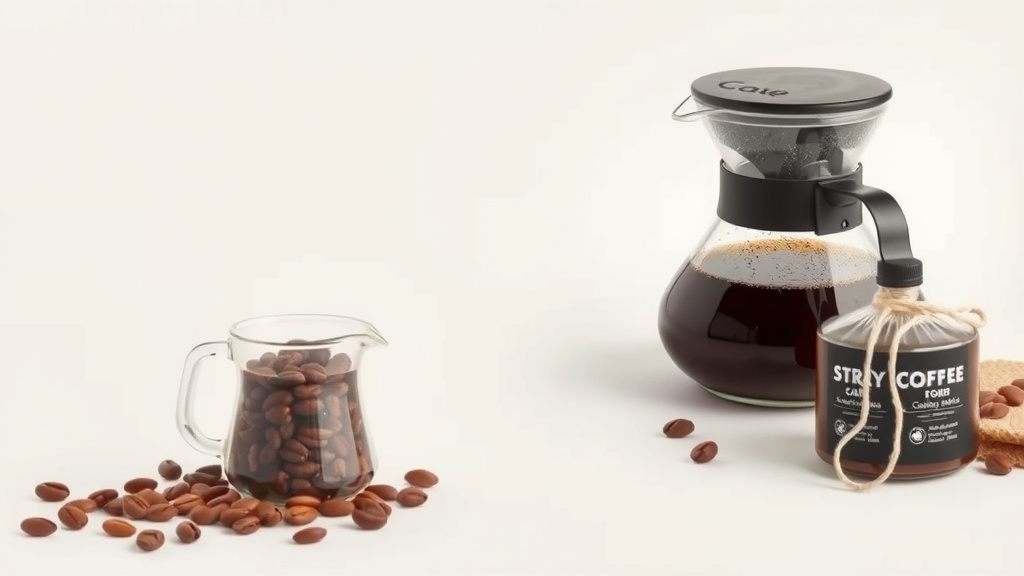
Vacuum-sealed coffee can stay fresh for months, even up to two years, when stored properly. This method creates an airtight environment that protects your beans from the enemies of coffee: air, moisture, and light. Think of it as a little cozy sleeping bag for your coffee.
When you vacuum seal coffee, you remove the oxygen that causes beans to go stale. This dramatically slows down the oxidation process. Many coffee lovers find that vacuum-sealed beans retain their aroma and flavor much longer than when stored in a typical coffee bag. It’s a simple trick for better tasting coffee.
- Vacuum sealing keeps coffee fresh for months.
- It protects beans from air, moisture, and light.
- This method significantly slows down staleness.
- Your coffee will taste better for longer.
We found that understanding how vacuum sealing works is key to maximizing your coffee’s lifespan. Let’s dive into the details of just how long your vacuum-sealed coffee can truly last and what factors influence its freshness.
How Long Can Your Vacuum-Sealed Coffee Stay Fresh?
So, you’ve got that fancy vacuum sealer and you’re wondering about the lifespan of your coffee beans. It’s a great question, and the answer is pretty encouraging! When coffee beans are properly vacuum sealed, they can maintain their peak freshness for quite a while. We’re talking months, and sometimes even up to a couple of years, depending on a few key factors.
This method is fantastic because it removes the oxygen that’s the main culprit behind coffee going stale. Think of oxygen as the enemy of fresh coffee. It causes oxidation, which dulls those delicious flavors and aromas you love. By removing it, you’re essentially hitting the pause button on that aging process.
The Science Behind Vacuum Sealing and Coffee Freshness
Why does removing air work so well? It all comes down to oxidation. When coffee beans are roasted, they release gases. As the beans sit around, oxygen starts to interact with them. This interaction breaks down the aromatic compounds that give coffee its wonderful smell and taste.
Vacuum sealing creates an airtight environment. This dramatically slows down the oxidation process. It’s like putting your coffee beans in a protective bubble. This protection is especially important for whole beans, as they have less surface area exposed compared to ground coffee.
What Happens to Coffee Over Time?
Coffee naturally loses its flavor over time. This happens because of several factors:
- Oxidation: As mentioned, air is the biggest enemy. It degrades the oils and compounds that create flavor.
- Moisture: Humidity can cause beans to absorb moisture, leading to mold or a damp taste.
- Light: Prolonged exposure to light can also degrade coffee quality.
- Heat: Warmer temperatures speed up the staling process.
Vacuum sealing directly combats the first three factors. By removing air, you reduce oxidation. The seal also prevents moisture from getting in. And if you store the sealed bag in a dark place, you’re covering all your bases.
Factors Influencing Vacuum-Sealed Coffee’s Lifespan
While vacuum sealing is a powerful tool, it’s not magic. Several things can affect how long your coffee stays at its best.
1. Bean Quality and Roast Level
The journey to fresh coffee starts before you even seal it. High-quality beans generally have more robust flavor compounds that can withstand the test of time a bit better.
Roast level plays a role too. Darker roasts tend to go stale faster than lighter roasts. This is because the roasting process breaks down oils more intensely in darker beans. So, if you have a dark roast, you might want to consume it a bit sooner, even when vacuum sealed.
2. The Sealing Process Itself
How well did you actually seal the bag? If your vacuum sealer didn’t get a complete seal, air can slowly seep in. This defeats the purpose of vacuum sealing.
We found that using high-quality sealing bags is also important. Thicker bags are less likely to develop tiny pinholes over time that allow air to enter.
3. Storage Conditions Matter
Even a perfectly sealed bag needs a good home. Where you store your vacuum-sealed coffee makes a big difference.
Temperature
Keeping coffee cool is key. Storing it in a cool, dry place is ideal. Avoid storing it near heat sources like your oven, dishwasher, or in direct sunlight. Fluctuations in temperature can also be detrimental.
Light Exposure
Darkness is your friend when it comes to coffee storage. Light can degrade the oils and flavors in coffee beans. So, the pantry or a dark cupboard is a much better choice than keeping it on the counter.
4. Whole Beans vs. Ground Coffee
There’s a general consensus among coffee experts that whole beans stay fresh longer than ground coffee, regardless of the storage method. This is because grinding the beans exposes more surface area to air and oils.
If you’re vacuum sealing, always opt for whole beans if possible. Grind them just before you brew to experience the freshest possible cup. When vacuum sealing ground coffee, its shelf life will be shorter than whole beans, even when sealed.
Expected Shelf Life: What the Research Suggests
So, let’s get down to the numbers. When we look at vacuum-sealed coffee, here’s what research and expert opinions suggest:
| Type of Coffee | Vacuum Sealed & Stored Properly | Notes |
|---|---|---|
| Whole Beans | 6 months to 2 years | Best if consumed within 1 year for optimal flavor. |
| Ground Coffee | 3 to 6 months | Flavor can degrade more quickly than whole beans. |
It’s important to remember that these are estimates. Your coffee might still be safe to drink beyond these times, but the flavor and aroma will likely diminish. Think of it as a guideline for enjoying your coffee at its best.
For many coffee lovers, the goal isn’t just safety, but maximizing the taste experience. We found that for the absolute best flavor, aiming to use vacuum-sealed whole beans within 6-12 months is a good strategy. This ensures you’re still getting that rich, aromatic coffee you paid for.
Tips for Maximizing Your Vacuum-Sealed Coffee’s Freshness
Want to make sure your coffee stays as delicious as possible? Here are a few easy steps:
- Buy Whole Beans: Always start with whole beans for longer-lasting freshness.
- Seal Tightly: Ensure your vacuum sealer creates a strong, airtight seal every time.
- Use Quality Bags: Invest in durable, food-grade vacuum seal bags.
- Store Cool and Dark: Keep sealed coffee in a pantry or cupboard, away from heat and light.
- Label Your Bags: Mark the date you sealed the coffee so you know its age.
- Consider the Roast: Be mindful that darker roasts may not last as long as lighter ones.
By following these tips, you can confidently enjoy your vacuum-sealed coffee, knowing you’re getting the best possible flavor and aroma, even months after purchase.
Conclusion
You now understand how vacuum sealing can extend your coffee’s freshness significantly, keeping those delicious flavors locked in for months, even up to two years. Remember, the journey to a great cup starts with quality beans and a proper seal, but even the best seal needs a cool, dark storage spot. By following these simple tips, you can confidently enjoy your coffee at its peak. So, go ahead and seal that next batch – your taste buds will thank you for it!
Frequently Asked Questions
Does vacuum sealing actually make coffee last longer?
Yes, vacuum sealing makes coffee last much longer. It removes oxygen, which is the main cause of coffee going stale. This slow-down process helps preserve both the aroma and flavor of your beans.
Can I vacuum seal pre-ground coffee?
You can vacuum seal pre-ground coffee, but it won’t last as long as whole beans. Grinding exposes more surface area, leading to quicker flavor degradation. Expect it to be good for about 3 to 6 months.
What’s the best temperature for storing vacuum-sealed coffee?
The ideal storage temperature is cool and stable. Aim for a consistent temperature, ideally around 60-70°F (15-21°C). Avoid storing it near heat sources or in places with temperature fluctuations.
How can I tell if my vacuum-sealed coffee has gone bad?
While vacuum sealing keeps coffee safe for a long time, flavor is the first thing to go. If your coffee smells musty, tastes flat, or has lost its aroma, it’s past its prime for enjoyable drinking, even if still technically safe.
Is it worth buying a vacuum sealer just for coffee?
If you’re a coffee enthusiast who buys beans in larger quantities or wants to preserve special roasts, a vacuum sealer can be a great investment. It helps you enjoy high-quality coffee for longer periods, maximizing your enjoyment and reducing waste.
![7 Best Hepa Vacuum For Pet Allergies [2026]](https://bathroomexplorer.com/wp-content/uploads/2026/06/7-best-hepa-vacuum-for-pet-allergies-2026-featured-768x432.jpg)
![7 Best Lightweight Corded Vacuum Cleaner For Elderly [2026]](https://bathroomexplorer.com/wp-content/uploads/2026/06/7-best-lightweight-corded-vacuum-cleaner-for-elderly-2026-featured-768x432.jpg)