Dyson Vacuum Lifespan: How Long Will Yours Last
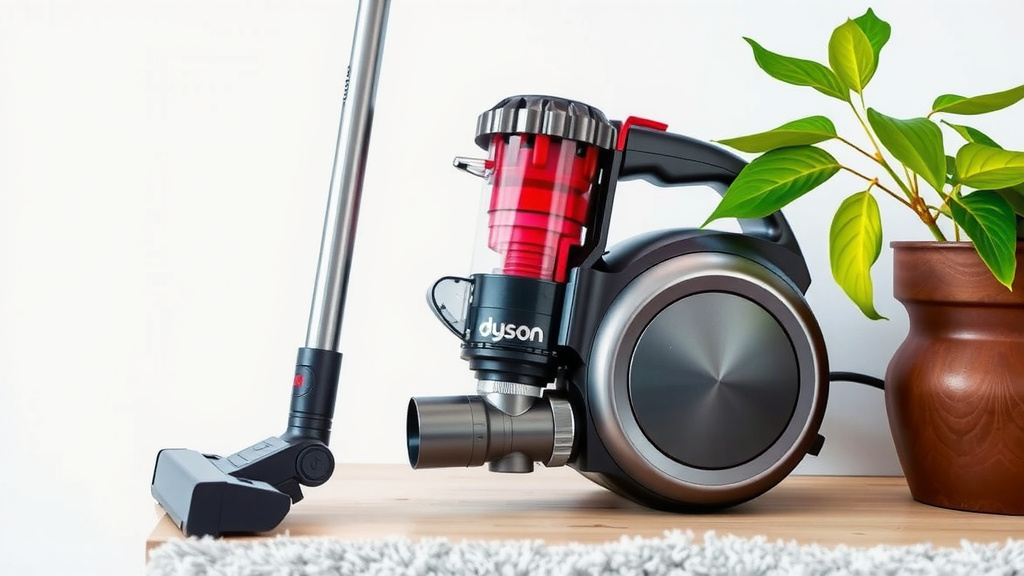
You’re probably wondering, “How long should my Dyson vacuum cleaner last?” Research suggests that with proper care, your Dyson vacuum can last anywhere from 7 to 10 years, and often even longer. Many owners report their trusty Dyson machines humming along happily for over a decade, becoming a dependable part of their cleaning routine.
Of course, how long your Dyson *actually* lasts depends on a few things. Factors like how often you use it, the types of messes you tackle, and especially how well you maintain it play a big role. Regular cleaning and simple upkeep can drastically extend its lifespan, keeping that powerful suction going strong.
- Dyson vacuums can last 7-10 years with good care.
- Many users report over a decade of use.
- Usage frequency and maintenance are key factors.
- Proper cleaning maximizes lifespan.
Let’s break down what goes into making your Dyson last and what you can do to help it reach its full potential.
How Long Can You Expect Your Dyson to Last?
So, how long can you realistically expect your trusty Dyson vacuum cleaner to keep going strong? Research and user reports consistently suggest a healthy lifespan of 7 to 10 years for most Dyson models. We’ve seen many owners happily reporting their machines performing well for over a decade. This longevity isn’t just luck; it’s often a result of smart design combined with diligent care from you, the owner. Think of it like a good pair of shoes; with proper upkeep, they’ll carry you much further.
Factors Influencing Your Dyson’s Lifespan
Several elements play a role in determining just how long your Dyson will be a part of your cleaning routine. It’s not a one-size-fits-all answer, and your specific usage habits matter a great deal. We can help you understand what makes a difference.
Usage Frequency: Daily Driver vs. Weekend Warrior
The most obvious factor is how often you pull out your Dyson. If you’re vacuuming daily, especially if you have pets or a busy household, your machine will naturally experience more wear and tear than someone who only vacuums once a week. Daily use means more motor cycles, more dustbin emptying, and more chances for debris to work its way through the system.
The Messes You Tackle
What are you usually cleaning up? Are you just dealing with everyday dust bunnies and crumbs, or are you tackling larger debris, pet hair, or even occasional bigger spills? Hard materials like small rocks or grains of sand can be abrasive and cause damage to internal components over time. While Dysons are built tough, consistently vacuuming up harsh debris can shorten its lifespan.
Environmental Factors
Where do you store your vacuum? Extreme temperatures, high humidity, or dusty environments can affect the electronics and filters. Keeping your Dyson in a climate-controlled, relatively clean space is best for its long-term health. Think of it like storing your phone; you wouldn’t leave it in a hot car or a damp basement.
The Power of Proper Maintenance: Your Dyson’s Best Friend
This is where you have the most control over your vacuum’s longevity. Regular maintenance isn’t just about keeping it looking good; it’s about ensuring it performs efficiently and prevents premature breakdowns. We found that consistent upkeep is often the deciding factor between a vacuum that lasts a few years and one that becomes a decade-long companion.
Keeping the Filters Clean: Breathe Easy, Clean Better
Your Dyson’s filters are its lungs. Clogged filters restrict airflow, making the motor work harder. This not only reduces suction power but can also overheat the motor, leading to serious damage. Most Dyson models have washable filters.
How Often to Clean Filters
We recommend cleaning your filters at least once a month, or more frequently if you have pets or allergies. Follow your specific model’s instructions carefully. Typically, this involves rinsing them under cold water until the water runs clear, then allowing them to air dry completely for at least 24 hours before reinserting them. Never use soap or put them in a dishwasher (Mayo Clinic).
Emptying the Bin: Don’t Let it Get Too Full
A full dustbin impedes airflow, much like dirty filters. It forces the motor to work harder to suck air through the accumulated debris. Aim to empty the bin before it reaches the maximum fill line. This simple step ensures optimal suction and reduces strain on the motor.
Clearing Blockages: The Silent Killer of Suction
When your Dyson starts losing suction, the first place to check is for blockages. These can occur in the wand, the floor tool, or within the bin inlet. Regularly inspecting and clearing any obstructions is vital. A simple twig or a large clump of pet hair can cause significant issues if left unchecked.
How to Check for Blockages
Disconnect the wand and the floor head from the main unit. Look through each piece for anything lodged inside. You might need a long, thin object to gently dislodge stubborn debris. If you’re unsure, consult your Dyson manual.
Checking and Cleaning the Brush Bar
The brush bar on your cleaner head is designed to agitate carpets and pick up debris. However, it can easily get tangled with hair, threads, and other stringy materials. Regularly inspect the brush bar and carefully remove any tangled items. Most Dyson brush bars can be removed for easier cleaning. Use scissors or a seam ripper to cut away stubborn tangles. Keeping this part clear ensures effective cleaning and prevents strain on the motor that drives it.
When to Consider a Repair vs. Replacement
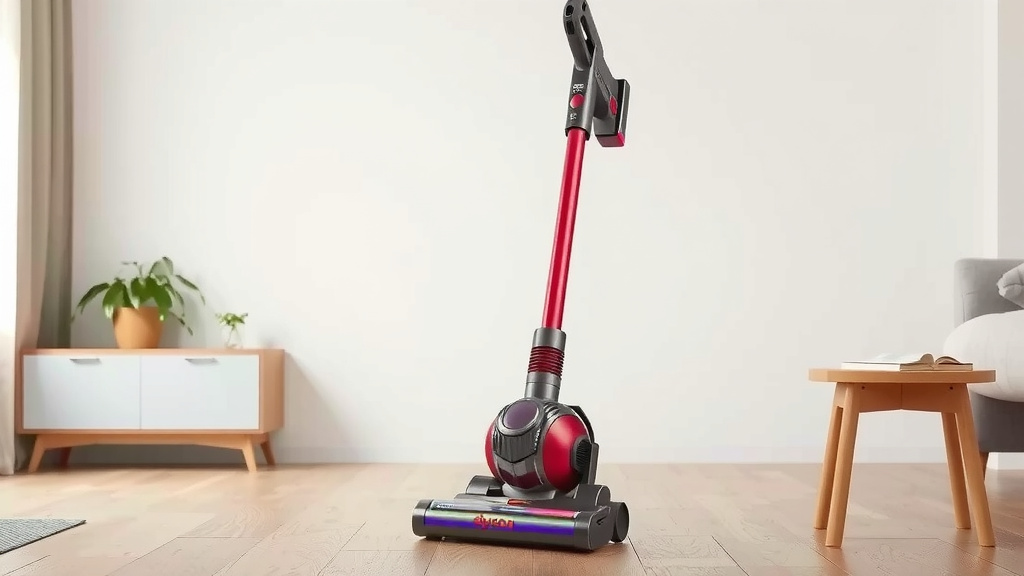
Even with the best care, parts can eventually wear out. If your Dyson stops working or a key component fails, you’ll need to decide whether to repair it or invest in a new one. Many common issues, like a clogged filter or a minor blockage, are easily fixable. However, more serious motor problems or battery degradation might lean towards replacement.
Dyson offers a warranty on their machines, which is typically one or two years for parts and labor. If your vacuum is within its warranty period and experiences a defect, reach out to Dyson support. Outside of warranty, you can assess the cost of repair. Sometimes, a professional repair can extend your vacuum’s life for several more years, making it a cost-effective option. However, if the repair cost is close to the price of a new, comparable model, it might be time for an upgrade.
| Factor | Impact on Lifespan | Maintenance Solution |
|---|---|---|
| Usage Frequency | High use = more wear | Empty bin regularly, clear blockages |
| Debris Type | Abrasive debris = internal damage | Avoid vacuuming hard objects, check brush bar |
| Filter Condition | Clogged filters = motor strain | Wash/replace filters as recommended |
| Storage Environment | Extreme temps/humidity = component issues | Store in a cool, dry place |
Keeping Your Dyson Running Like New: A Quick Checklist
Want to ensure your Dyson reaches its maximum potential lifespan? Follow these simple steps:
- Empty the bin after every use, or when it reaches the “max fill” line.
- Clean or replace filters monthly, or as per your manual’s instructions.
- Check for blockages in the wand, hose, and cleaner head regularly.
- Untangle the brush bar of hair and debris.
- Store your vacuum in a suitable environment, away from extreme temperatures.
- Handle your vacuum with care; avoid banging it around.
Conclusion
You’ve learned that your Dyson vacuum is built to last, with many users enjoying them for 7 to 10 years or even longer. The key to this longevity isn’t just the initial quality, but the care you provide. Regular maintenance, like keeping filters clean and bins empty, significantly extends your machine’s life and keeps its powerful suction at its best.
By following simple cleaning and care routines, you’re investing in years of reliable cleaning performance. So, make a habit of these easy steps today to ensure your Dyson remains a dependable partner in keeping your home spotless for many years to come.
Frequently Asked Questions
How often should I really be cleaning my Dyson’s filters?
We recommend cleaning your Dyson filters at least once a month. If you have pets or allergies, you might need to clean them more often. This ensures optimal airflow and prevents your motor from overworking.
Can vacuuming up something “too big” really damage my Dyson?
Yes, while Dysons are powerful, vacuuming up very hard or abrasive materials like small rocks or metal shards can cause internal damage over time. It’s best to pick up large debris by hand before vacuuming.
My Dyson suddenly lost suction, what’s the most likely cause?
The most common reason for lost suction is a blockage somewhere in the vacuum system. Check the wand, the floor head, and the bin inlet for any obstructions. Clogged filters are also a frequent culprit.
Is it better to repair a broken Dyson or buy a new one?
If your Dyson is still under warranty, definitely contact Dyson support for repairs. Outside of warranty, compare the cost of repair to a new model. For minor issues, repair can be cost-effective, but major problems might warrant an upgrade.
How does storing my Dyson affect its lifespan?
Storing your Dyson in extreme temperatures or humid conditions can impact its electronic components and filters. Keeping it in a cool, dry place, like a closet, is best for its long-term health and performance.
![7 Best Compression Bags For Travel No Vacuum [2026]](https://bathroomexplorer.com/wp-content/uploads/2026/05/7-best-compression-bags-for-travel-no-vacuum-2026-featured-768x432.jpg)
![7 Best Hepa Vacuum Cleaner For Mold Spores [2026]](https://bathroomexplorer.com/wp-content/uploads/2026/06/7-best-hepa-vacuum-cleaner-for-mold-spores-2026-featured-768x432.jpg)