How Often to Replace Your Vacuum Cleaner: A Guide
You should replace your vacuum cleaner every 8 to 10 years, depending on its quality and how often you use it. While some vacuums might last longer, many start losing their cleaning power or developing costly repair needs after this timeframe, making a new one a smart investment for your home.
Thinking about vacuum longevity is smart. A well-maintained vacuum can serve you for years. However, older models might not offer the same cleaning efficiency as newer ones. Consider how much time and energy you spend vacuuming. When your current machine struggles, it’s a sign it might be nearing the end of its road.
- Vacuum cleaners typically last 8-10 years.
- Usage frequency and build quality affect lifespan.
- Performance decline or frequent repairs signal replacement time.
- Newer models often offer better efficiency.
Let’s dive into the signs that your trusty vacuum might be ready for retirement and what to look for in a new one.
When It’s Time to Retire Your Vacuum Cleaner
The lifespan of your vacuum cleaner isn’t set in stone. While many manufacturers suggest replacements every 8 to 10 years, a few factors can push that timeline sooner or even a bit later. It’s less about the calendar and more about how your machine is performing.
Signs Your Vacuum Needs an Upgrade
Think of your vacuum like a trusty car. If it starts sputtering, making strange noises, or just isn’t getting you where you need to go (clean floors!), it might be time for a tune-up or, in this case, a replacement.
Declining Suction Power
This is often the most obvious sign. If your vacuum seems to be just pushing dirt around instead of sucking it up, even after you’ve cleared the dustbin and checked the filter, its motor or internal components might be weakening. Research shows that older vacuum motors can lose efficiency over time.
Unpleasant Odors
Does your vacuum leave your home smelling less than fresh? A persistent musty or burning smell can indicate a clogged hose, a worn-out motor, or a filter that’s past its prime. Sometimes, these odors are impossible to fully eliminate, suggesting a deeper issue.
Frequent Breakdowns and Costly Repairs
Are you constantly fiddling with the brush roll, unjamming the hose, or waiting for it to cool down? If your vacuum requires more frequent repairs than you can remember, the cost of parts and labor can quickly add up. It might be more economical to invest in a new, reliable machine.
Strange Noises
Grinding, squealing, or rattling sounds that weren’t there before are red flags. These noises often point to a problem with the motor or the brush roll bearings. Don’t ignore them; they can signal impending failure.
Visible Wear and Tear
Cracks in the plastic, frayed cords, or a wobbly handle are signs that your vacuum has seen better days. Beyond being unsightly, this physical deterioration can affect performance and even pose a safety hazard.
Factors Influencing Your Vacuum’s Lifespan
Not all vacuums are created equal, and how you use yours plays a big role in how long it will last. Think about these key areas:
Build Quality and Brand Reputation
Higher-end vacuums, often made with more durable materials, tend to last longer. Brands known for their quality construction and reliable motors usually offer a better return on your investment. We found that vacuums with robust metal components often outperform those with predominantly plastic parts.
Frequency of Use
If you vacuum your entire house daily, your machine will naturally wear out faster than one used only for quick touch-ups a couple of times a week. Heavy use puts more strain on the motor and internal components. Daily users might see a replacement needed closer to the 5-7 year mark for mid-range models.
Type of Vacuum
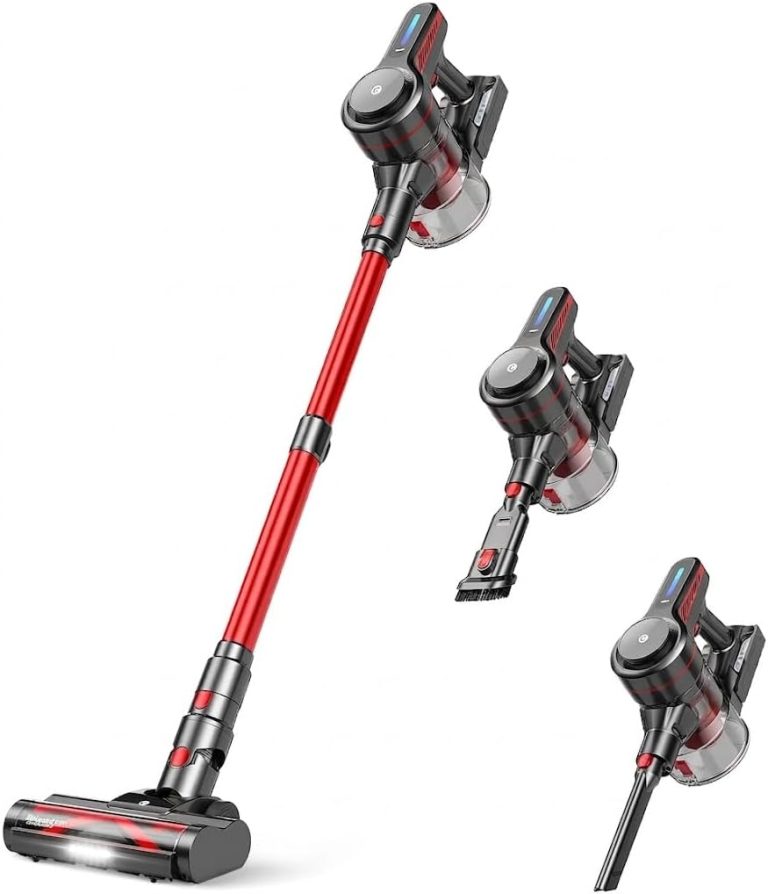
Some vacuum types are built for durability. For example, many commercial-grade vacuums are designed for heavy, continuous use and can last well over a decade with proper care. However, they often come with a higher price tag. Lightweight stick vacuums or robotic vacuums might have slightly shorter lifespans due to their more compact designs and potentially less powerful motors.
Maintenance Habits
This is arguably the most critical factor you control. Regularly cleaning filters, emptying the dustbin, and checking for blockages can significantly extend your vacuum’s life. Consistent maintenance is like giving your vacuum a regular check-up to keep it healthy.
The Importance of Filter Care
Clogged filters restrict airflow, forcing the motor to work harder. This strain can lead to overheating and premature failure. Replacing or cleaning your vacuum’s filters according to the manufacturer’s instructions is a simple but essential step. Many experts recommend checking filters monthly.
Emptying the Dustbin/Bag
Don’t wait until your vacuum is completely full. An overflowing dustbin or bag also impedes airflow and reduces suction power. It’s best to empty it when it’s about two-thirds full.
| Usage Frequency | Expected Lifespan (Years) | Maintenance Level |
|---|---|---|
| Light (Weekly) | 9-12+ | Good |
| Moderate (2-3 times/week) | 7-10 | Good |
| Heavy (Daily/Multiple times daily) | 5-8 | Good |
| Any Frequency | 3-6 | Poor |
Making the Smart Choice for a New Vacuum
When you decide it’s time for a new vacuum, think about your specific needs. What type of flooring do you have? Do you have pets? How large is your home? These questions will guide you to the best option.
Consider the Latest Technology
Newer vacuums often come with improved **suction technology**, better filtration systems (like HEPA filters for allergy sufferers), and more energy-efficient motors. Some models even offer smart features. Researching recent advancements can help you find a machine that cleans more effectively and efficiently.
Your Home’s Needs Checklist
Before you shop, ask yourself:
- What percentage of my home has carpet vs. hard floors?
- Do I have pets that shed?
- Are there allergy sufferers in my household?
- What is my budget?
- How important is weight and maneuverability?
- Do I prefer corded or cordless?
Answering these will narrow down your choices considerably. For instance, if allergies are a concern, a vacuum with a sealed system and a HEPA filter is a must. The Cleveland Clinic highlights HEPA filters as being effective at trapping small allergens.
Conclusion
Your vacuum cleaner is a workhorse in your home. While many can last 8 to 10 years with good care, signs like fading suction or frequent repairs signal it’s time for an upgrade. Pay attention to your vacuum’s performance and your home’s needs. Investing in a new, efficient model means less effort for cleaner floors and a healthier living space. When you’re ready, consider your home’s unique challenges, like pets or allergies, to choose the best machine for you. Take the step to find a vacuum that truly keeps your home fresh and clean.
Frequently Asked Questions
How often should I clean my vacuum’s filters?
You should aim to clean or replace your vacuum’s filters at least once a month. Clogged filters reduce suction power and strain the motor, shortening your vacuum’s life. Checking them regularly helps maintain optimal performance and longevity.
Is it worth repairing an old vacuum cleaner?
Consider the cost of repairs versus the price of a new vacuum. If you’re facing multiple repairs or the cost is approaching that of a new, budget-friendly model, replacement is often more economical. Older vacuums may also lack the efficiency of newer models.
Can vacuum cleaner technology really make a difference?
Yes, newer vacuum cleaners often feature significantly improved suction, better energy efficiency, and advanced filtration systems like HEPA filters. These advancements can lead to a deeper clean and improved air quality in your home.
Does the type of flooring affect how long my vacuum will last?
Heavier use on carpet, especially with pet hair, can put more wear on your vacuum’s motor and brush roll. Vacuums designed for both carpet and hard floors might wear differently depending on the primary surface you clean.
My vacuum is only 5 years old but has lost suction. Do I need a new one?
A 5-year-old vacuum losing suction might not necessarily need immediate replacement. First, thoroughly check and clean the dustbin, filters, hose, and brush roll for blockages or wear. If the problem persists after a deep clean, it could indicate motor issues, and replacement might be wise.