How Long Should I Keep My Air Purifier On? A Complete Guide to Optimal Usage
When I first brought an air purifier into my home, I admit I was like many others. I’d switch it on when the air felt stuffy and off whenever it crossed my mind. What I quickly learned is that this casual approach misses the point of having one. Figuring out the ideal run time for your air purifier isn’t just about making the air feel cleaner; it’s crucial for getting the best performance, managing your electricity bill, and ensuring the unit lasts.
Let me walk you through everything you need to know about running your air purifier the smart way.
Understanding Your Air Purifier’s Purpose and Design
Before we dive into the specifics of operating hours, let’s understand what your air purifier actually does. Think of it like a bouncer at a club—its job is to filter out unwanted guests (pollutants, allergens, and particles) before they can settle into your space. Most modern air purifiers work continuously to pull air through multiple filter stages, trapping everything from dust and pet dander to volatile organic compounds and bacteria.
The design of these devices assumes regular operation. They’re not like your coffee maker, which you use for fifteen minutes and then store away. Air purifiers are meant to be working companions in your home.
The Ideal Runtime for Your Home
Running Your Air Purifier 24/7: Is It Necessary?
Here’s the thing—running your air purifier round the clock isn’t necessarily overkill, and it’s not wasteful either. Most modern air purifiers consume between 30 to 200 watts, depending on the model and speed setting. To put that in perspective, that’s less power than a typical refrigerator uses daily. If you’re concerned about air quality in your home, keeping it on continuously can actually be beneficial.
Why? Because air doesn’t purify itself. Pollutants don’t magically disappear at night. In fact, some of the worst air quality happens when your home is sealed up during sleep hours, trapping cooking odors, off-gassing from furniture, and other indoor pollutants.
Partial Day Operation: When It Might Be Sufficient
If running 24/7 feels excessive to you, consider this alternative approach. Many people find success running their air purifier for 12 to 16 hours daily, especially if their living situation involves:
- Minimal foot traffic through the home
- Few sources of indoor pollution (no smokers, few pets)
- Good natural ventilation from windows
- A smaller living space that cycles air faster
The key is understanding your specific air quality challenges. Someone living in an apartment above a busy restaurant needs different purification strategies than someone in a quiet suburban home.
Factors That Influence How Long You Should Run Your Purifier
Your Local Air Quality Index
Check your area’s Air Quality Index regularly. This number tells you how polluted your outdoor air is. On days when the AQI is high due to wildfires, industrial activity, or heavy traffic pollution, you’ll definitely want your purifier working overtime. During these periods, I’d recommend 24/7 operation or at minimum 18 to 20 hours daily.
Indoor Pollution Sources
What’s actually generating pollutants in your home? This matters significantly. If you have pets that shed constantly, smoke indoors, cook frequently (especially high-heat cooking), or have family members with respiratory issues, your purifier needs extended runtime. Here’s a quick breakdown:
- Homes with pets: 16-24 hours daily
- Smokers in the household: 20-24 hours daily
- Frequent cooking: 12-16 hours daily
- People with allergies or asthma: 16-24 hours daily
- Standard households with minimal pollution: 8-12 hours daily
Room Size and Air Changes Per Hour
This is where the technical side kicks in. Every air purifier has a specification called CADR (Clean Air Delivery Rate) or ACH (Air Changes Per Hour). Simply put, this tells you how many times the purifier can completely refresh the air in a given space hourly. A good rule of thumb is that you want your purifier to cycle the room’s air at least four times daily, though more frequent cycling is better during high-pollution days.
If your purifier can change the air five times per hour in a 400-square-foot room, you only need it running roughly 5 to 6 hours daily to achieve acceptable air quality. However, if your purifier is undersized for your space, you’ll need much longer runtimes.
Seasonal Considerations for Air Purifier Usage
Spring and Summer Challenges
Spring brings pollen season, which can wreak havoc on your home’s air quality. If you open windows to let in fresh air (and let’s face it, who can resist that spring breeze?), you’re also inviting pollen, mold spores, and outdoor pollutants inside. During these months, increase your purifier’s runtime to 16-24 hours daily, especially on high pollen days. Keep your windows closed on particularly bad days, and let your purifier do the work.
Fall and Winter Scenarios
Fall brings wildfires in many regions, creating hazardous air quality. Winter months see increased indoor heating, which can exacerbate dryness and make people more susceptible to respiratory issues. Plus, windows stay sealed, trapping all indoor pollutants. This is actually when you should consider running your purifier the most—potentially 24/7 from November through March if you’re in a cold climate.
Finding Your Sweet Spot: The Smart Approach
The Trial and Error Method
Here’s what I recommend: start with continuous operation for one week. Monitor how you feel. Are you sleeping better? Is your allergy-prone partner feeling relief? Are pet odors diminished? Once you establish a baseline, try reducing runtime by two hours daily and observe whether your air quality noticeably deteriorates. This personalized approach beats generic recommendations every time.
Using Smart Features and Timers
Many modern air purifiers include auto-sensing capabilities that adjust fan speed based on detected air quality. These devices are genuinely useful. Let your purifier’s built-in sensors do the heavy lifting. When paired with a smart timer, you can program your purifier to run during specific hours—high-pollution times during the day and all night while you sleep.
Monitoring with Real Data
If you’re serious about this, invest in an indoor air quality monitor. These devices measure PM2.5, PM10, CO2 levels, and other metrics. Knowing the actual numbers helps you understand when your purifier needs to work harder and when it can take a break. It’s like having a personal air quality coach.
Runtime and Filter Lifespan: Understanding the Connection
Does Running 24/7 Wear Out Filters Faster?
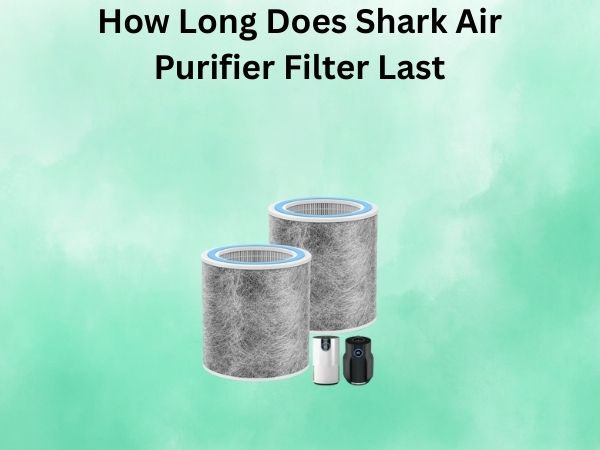
Yes, absolutely. Running your purifier continuously means your filters accumulate particles faster. A filter rated for 12 months of operation at average use might only last 6 months with round-the-clock operation. However, here’s the trade-off: would you rather replace filters more frequently and have cleaner air, or run your purifier less and deal with poor air quality? For most people, it’s worth the extra filter replacements.
Calculating True Operating Costs
Let’s talk numbers. Assuming your air purifier uses 100 watts on medium speed and costs you about 12 cents per kilowatt-hour (varies by location), running it 24/7 costs roughly $10.50 per month. Add filter replacements at maybe $50 every 6 to 12 months, and you’re looking at less than $100 annually for significantly better air quality. That’s genuinely reasonable for health benefits.
Special Situations Requiring Extended Operation
Recovery from Pollution Events
Sometimes your home gets exposed to significant pollutants—maybe someone burned dinner, a neighbor was smoking outside your window, or there’s been construction work nearby. In these instances, run your purifier at maximum speed for at least 4 to 6 hours to recover. After cooking particularly greasy meals, I’ll run mine on high for several hours to completely clear out food odors and particles.
Medical Situations and Health Conditions
If someone in your household has asthma, COPD, or severe allergies, continuous operation becomes less optional and more necessary. These conditions make people hypersensitive to air quality variations, and they benefit enormously from consistent purification. In these cases, 24/7 operation is genuinely the right choice.
Common Myths About Air Purifier Runtime
Myth: Your Purifier Needs Breaks
This is false. Unlike humans, air purifiers don’t need rest periods. They’re designed for continuous operation. Taking breaks doesn’t extend their lifespan—proper maintenance and timely filter changes do.
Myth: Running It Longer Won’t Make Much Difference
This couldn’t be more wrong. Research shows that continuous operation can reduce particulates by up to 90%, whereas intermittent operation leaves more pollutants lingering. The difference is measurable and meaningful.
Myth: You Should Only Run It When You’re Home
Actually, your air gets dirtier when you’re away sometimes. Pet dander accumulates, dust settles, and off-gassing occurs continuously. Running it while you’re out helps. Besides, nighttime air quality is crucial since you spend 8 hours breathing in that space.
The Environmental Perspective
I know some people worry about energy consumption and environmental impact. It’s a valid concern, but perspective matters. The power consumption of running an air purifier is minimal compared to your HVAC system, water heater, or refrigerator. If clean air in your home contributes to better health and fewer medical expenses, the environmental trade-off is generally worth it. Plus, many modern purifiers are increasingly energy-efficient with their improved motor designs and filter technology.
Creating Your Personalized Air Purification Schedule
Step-by-Step Process
First, assess your home’s pollution sources honestly. Second, determine your space’s volume and your purifier’s CADR rating. Third, check your local AQI regularly and note patterns. Fourth, monitor your health and comfort while testing different runtime schedules. Finally, settle on a schedule that you can maintain consistently.
A practical example might look like this: run your purifier on high speed from 6 PM to 8 AM (14 hours), covering dinner cooking and entire sleep period, then switch to medium speed from 8 AM to 6 PM (10 hours). This provides extended coverage during high-activity hours while reducing daytime runtime slightly.
Technology Innovations Making Runtime Easier
Smart air purifiers now offer features like WiFi connectivity, allowing you to control them remotely through phone apps. Some models integrate with your home’s smart system, automatically adjusting based on humidity levels or room occupancy. These innovations make managing runtime significantly simpler. Instead of manually adjusting settings, your purifier can work intelligently based on real-time data.
Conclusion
So, how long should you keep your air purifier on? The honest answer is that it depends on your specific circumstances. For most people aiming for genuinely clean air, running your purifier between 12 to 24 hours daily represents the sweet spot. If you’re dealing with significant pollution sources, health concerns, or live in an area with poor outdoor air quality, 24/7 operation is justified. If your situation is simpler, 12 to 16 hours daily often suffices.
The key is approaching this thoughtfully rather than randomly. Start by running it continuously, monitor how you feel, then adjust downward only if you notice no degradation in air quality or health markers. Remember that cleaner air contributes to better sleep, fewer allergies, and improved respiratory health. In the grand scheme of household expenses and health investments, running an air purifier longer rather than shorter is almost always the better choice.
Stop thinking about your air purifier as an occasional-use device like a humidifier. Start thinking of it as a permanent guardian of your indoor air quality. Once you adjust your mindset, determining appropriate runtime becomes far easier.
Frequently Asked Questions
Is it safe to run my air purifier 24/7?
Yes, absolutely. Air purifiers are specifically engineered for continuous operation. Running them around the clock poses no safety risks and actually maximizes their effectiveness. The only consideration is that filters will accumulate particles faster and require more frequent replacement, but this is a maintenance issue, not a safety concern.
How do I know if my air purifier is working properly?
Most purifiers emit a slight humming sound that becomes quieter when air is already clean and increases when it detects pollutants. You can verify effectiveness by checking if filters are accumulating visible dust and debris, using an air quality monitor to track particulate levels before and after operation, or noting improvements in allergy symptoms and overall air quality perception over several weeks of consistent use.
Can running my air purifier reduce outdoor pollution entering my home?
While an air purifier cleans indoor air, it cannot prevent outdoor pollutants from entering when you open doors and windows. However, running it continuously ensures that whatever outdoor pollution does enter gets filtered out quickly. Think of it as damage control rather than prevention—it removes pollutants after they arrive rather than stopping them at the source.
Should I run my air purifier on high speed all the time?
Not necessarily. Running on high speed 24/7 depletes filters faster and uses more energy without proportionally better results. Using medium speed for extended periods is generally more efficient than high speed for shorter periods. Reserve high-speed operation for recovery periods after pollution events or during particularly poor air quality days.
What’s the best time to run my air purifier?
Ideally, run it during times when air quality is most compromised. This typically includes nighttime hours when windows are sealed, during and after cooking, when family members are home generating activity and dust, and definitely during high outdoor AQI days. If you can only afford partial-day operation, prioritize nighttime and early morning hours when you’re stationary and breathing more heavily.