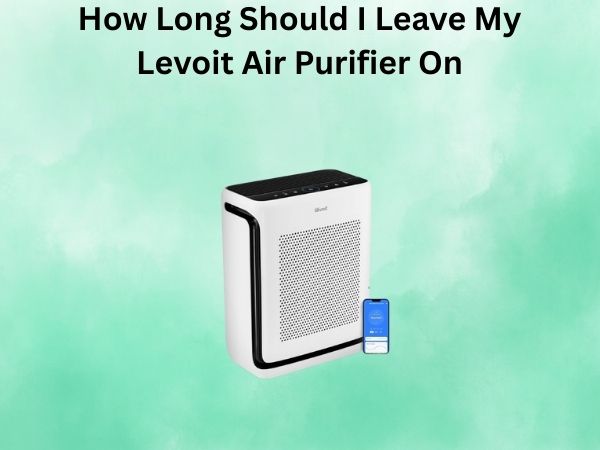
How Long Should I Leave My Levoit Air Purifier On? A Complete Guide to Optimal Usage
Bringing a Levoit air purifier into your home is a fantastic step towards a healthier, more comfortable living space. Yet, once it’s set up, a common query emerges: what’s the best way to operate it? Many wonder if it should run continuously, be switched off before bed, or remain active when no one’s home. These are frequent concerns, and the answers might surprise you.
I’ve put together this comprehensive guide to help you understand exactly how long you should keep your Levoit air purifier running, under what circumstances, and how to maximize its effectiveness without wasting energy or money
Understanding Your Levoit Air Purifier’s Capabilities
Before we dive into how long you should run your Levoit air purifier, let’s talk about what this device actually does. Think of your air purifier as a vigilant guardian for your indoor air quality. It works by drawing in contaminated air, filtering out particles, and pushing clean air back into your room.
Levoit makes several different models, and each one has different specifications. Some are designed for small bedrooms, while others can handle large living rooms or open-concept spaces. Understanding your specific model’s capabilities is the first step in determining optimal runtime.
The CADR Rating Matters
The CADR rating—which stands for Clean Air Delivery Rate—tells you how quickly your purifier can clean the air in a given room size. A higher CADR means faster air cleaning, which directly impacts how long you need to run the device. If your Levoit has a CADR of 300 for smoke, for example, it can clean a 300-square-foot room in about 30 minutes.
How Long to Run Your Air Purifier Daily
So here’s the straightforward answer: most people should run their Levoit air purifier for at least 8 to 12 hours per day in their main living areas. But this isn’t a one-size-fits-all answer, and there are several factors that influence this timeframe.
The 8-Hour Minimum Rule
If you’re starting out and want a simple baseline, aim for a minimum of 8 hours daily. This timeframe allows the purifier to complete several air cleaning cycles throughout the day, significantly reducing airborne pollutants like dust, pollen, and pet dander. Think of it like brushing your teeth—once a day helps, but if you could do it twice, you’re getting better results.
Extending to 12 Hours for Better Results
For households with allergies, asthma, or pets, extending your runtime to 12 hours produces noticeably better air quality. Many people find that running their purifier during waking hours—say, 7 AM to 7 PM—gives them the perfect balance between effectiveness and energy efficiency.
Running Your Purifier 24/7: Is It Worth It?
Now, the big question: should you leave your Levoit running all day and all night? The honest answer is that it depends on your specific situation, but there are some compelling reasons to consider it.
Advantages of Continuous Operation
Running your air purifier around the clock means you’re constantly refreshing your indoor air. For people with severe allergies or respiratory conditions, this can be genuinely life-changing. You’ll wake up with less congestion, experience fewer allergy symptoms throughout the day, and notice your home feels fresher overall.
- Consistent air quality 24 hours a day
- Better sleep quality due to improved nighttime air
- Reduced dust accumulation on furniture and surfaces
- Fewer airborne allergens for sensitive individuals
- Peace of mind knowing your air is always being cleaned
Drawbacks of Constant Running
Of course, there are trade-offs. Continuous operation increases electricity consumption, which affects your utility bills. It also means your filters will wear out faster, requiring more frequent replacements. Additionally, some people find the ambient noise from a constantly running purifier to be distracting, even if modern Levoit models are relatively quiet.
Seasonal Considerations for Air Purifier Usage
Here’s something many people overlook: your air purifier needs different amounts of runtime depending on the season. Indoor air quality changes throughout the year, and your usage should adapt accordingly.
Spring and Fall Allergy Seasons
During spring and fall, when pollen counts are highest, you should definitely increase your purifier’s runtime. These are the seasons when allergies peak, and your air purifier becomes especially valuable. Running it 16 to 20 hours daily during these periods can dramatically reduce allergy symptoms.
Summer Considerations
In summer, people tend to open windows more frequently, allowing outdoor pollutants inside. If you’re opening windows regularly, consider keeping your purifier on longer—perhaps 12 to 16 hours daily. However, if you’re running air conditioning with closed windows, you might reduce runtime slightly.
Winter Operation
Winter is interesting because your home is sealed tight against the cold. This means fewer outdoor pollutants come in, but indoor air quality can actually suffer due to poor ventilation and heating systems circulating dust. A moderate 8 to 12 hours per day is typically sufficient during winter months.
Air Quality Monitoring and Runtime Decisions
This is where things get really smart. Many newer Levoit models come with air quality sensors that detect pollutants in real-time. If your model has this feature, you can use this information to make informed decisions about runtime.
Using Your Air Quality Index
When your air quality sensor shows “good” or “excellent,” you might reduce runtime. When it shows “fair” or “poor,” increase your runtime or switch to a higher fan speed. This adaptive approach lets your purifier work when it’s needed most, rather than running constantly regardless of actual air quality.
Room Size and Runtime Relationships
The size of the space you’re trying to clean significantly impacts how long you need to run your purifier. This is fundamental to the whole equation.
Small Bedrooms (Under 150 sq ft)
For small rooms, 4 to 6 hours of operation should achieve clean air quality. If it’s your bedroom, running it for the 8 hours you sleep would be ideal, achieving excellent nighttime air quality without excessive energy use.
Medium Living Spaces (150-300 sq ft)
Medium-sized rooms need approximately 8 to 10 hours daily for optimal air quality. This is the sweet spot for most people’s main living areas. It’s long enough to create noticeable improvements but not so long that energy costs become prohibitive.
Large Rooms or Open Concepts (300+ sq ft)
Larger spaces require more runtime—typically 12 to 16 hours daily. The bigger the area, the longer it takes for the purifier to complete multiple air cleaning cycles. Some people with large homes use multiple Levoit units in different rooms rather than trying to cover everything with one device.
Energy Consumption and Operating Costs
Let’s talk money, because this is probably on your mind if you’re considering 24/7 operation. Understanding the actual cost of running your Levoit will help you make a practical decision.
Calculating Your Operating Costs
Most Levoit air purifiers consume between 25 to 55 watts depending on the model and fan speed. At the average U.S. electricity rate of about 14 cents per kilowatt-hour, running a 40-watt purifier continuously for a month costs roughly $40 to $50. That’s actually quite reasonable when you consider the health benefits.
Efficiency on Different Fan Speeds
Here’s a practical tip: running your purifier on lower fan speeds consumes less electricity while still providing decent air cleaning. Save the high fan speed for when you really need it—like after cooking, cleaning, or during allergy season.
Filter Lifespan and Continuous Operation
Your filter is the heart of your air purifier, and how long you run the device directly impacts filter longevity. This is an important cost consideration that extends beyond just electricity.
How Continuous Operation Affects Filters
Running your Levoit 24/7 means your filter works three times harder than if you ran it 8 hours daily. Most Levoit filters last 6 to 12 months depending on usage and air quality. Continuous operation might reduce this to 4 to 8 months. Since replacement filters cost $30 to $60, this adds up over time.
Balancing Filter Life with Air Quality
The key is finding your personal balance point. Yes, running your purifier longer accelerates filter wear, but the health benefits for you and your family might be worth it. Think of filter replacements as an investment in your wellbeing, not just an expense.
Best Practices for Different Living Situations
Your ideal air purifier schedule depends heavily on your specific circumstances. Let me break down recommendations for different situations.
For Allergy Sufferers
If you have seasonal or year-round allergies, aim for 12 to 16 hours daily during allergy season, and at least 10 hours daily year-round. Running your purifier 8 hours while you sleep is particularly beneficial, as nighttime air quality directly impacts morning congestion and sleep quality.
For Pet Owners
Pet owners should plan on 12 hours minimum daily. Pet dander, fur, and odors circulate constantly, so continuous air cleaning is valuable. Many pet owners find that 16 to 20 hours daily significantly reduces allergy symptoms and keeps their home smelling fresher.
For Asthma Sufferers
If anyone in your household has asthma, I’d recommend 16 to 24 hours daily. Asthma can be triggered by poor air quality, and maintaining consistently clean air is preventative medicine. For serious cases, 24/7 operation is genuinely worthwhile.
For General Households
Healthy individuals without pets or allergies can get by with 8 to 10 hours daily. This timeframe provides noticeable air quality improvements without excessive energy consumption.
Nighttime Operation and Sleep Quality
One of the best times to run your air purifier is while you sleep. This might seem counterintuitive, but it’s actually brilliant for your health.
Why Nighttime Operation Matters
When you sleep, you spend 8 hours in one room with closed doors. During this time, carbon dioxide builds up and dust settles around you. Running your air purifier while you sleep ensures you’re breathing clean air for a third of your day. Many people report sleeping better, waking less congested, and having fewer nighttime allergy symptoms when they run their purifier during sleep hours.
Managing Noise Concerns
If noise is your main concern about nighttime operation, use the lowest fan speed. Modern Levoit purifiers run quietly on low speed—often just 22 to 24 decibels, which is quieter than most people’s refrigerators. You’ll barely notice it after a few nights.
When to Turn Off Your Air Purifier
Just as important as knowing when to run your purifier is knowing when you can turn it off. You don’t always need it running.
Safe Times to Shut Down
You can confidently turn off your Levoit when you’re away from home for extended periods. There’s no point running it when no one’s breathing the air. Similarly, if you’re outdoors on a clear day, you can take a break. Some people also turn theirs off on very clean air days to extend filter life and save energy.
Never Turn It Off During
Don’t turn off your purifier while someone with asthma or severe allergies is home. Also avoid shutting it down after activities like cooking, cleaning, or vacuuming—these activities release many airborne particles, and your purifier is needed most at these times.
Smart Scheduling for Maximum Efficiency
If you want to optimize your setup, consider a strategic schedule rather than either on or off constantly.
The Hybrid Approach
Run your purifier 8 hours during evening hours (4 PM to midnight), through the night (midnight to 8 AM), and leave it off during the workday when no one’s home. This gives you 16 hours of cleaning during times when you actually benefit, while reducing operational costs. Alternatively, run it during all waking hours but not while you’re out.
Auto Mode as Your Friend
If your Levoit has an auto mode, use it. This feature automatically adjusts fan speed based on detected air quality, running harder when needed and softer when air is already clean. It’s the most efficient approach if available on your model.
Common Mistakes People Make
Let me share some frequent errors I see people make with their air purifiers, so you can avoid them.
Mistake #1: Assuming Continuous Operation Is Always Better
While more runtime is generally better, 24/7 operation isn’t necessary for everyone. For a healthy person in a clean environment, 8 hours daily provides substantial benefits. You don’t need to run your purifier constantly just because the option exists.
Mistake #2: Closing Windows and Forgetting About Ventilation
Even with an air purifier running 24/7, you need some fresh outdoor air in your home. Completely sealed environments can develop stale air issues. Occasionally open a window to allow some fresh air exchange, even if it means your purifier works a bit harder.
Mistake #3: Ignoring Filter Status
Some people run their purifiers endlessly while ignoring filter condition. A clogged filter dramatically reduces effectiveness. Check your filter status regularly and replace filters on schedule, not just when you remember.
Mistake #4: Wrong Placement
Putting your purifier in a corner or behind furniture significantly reduces its effectiveness. This mistake means you need to run it longer to achieve the same results. Keep it in an open, central location for maximum efficiency.